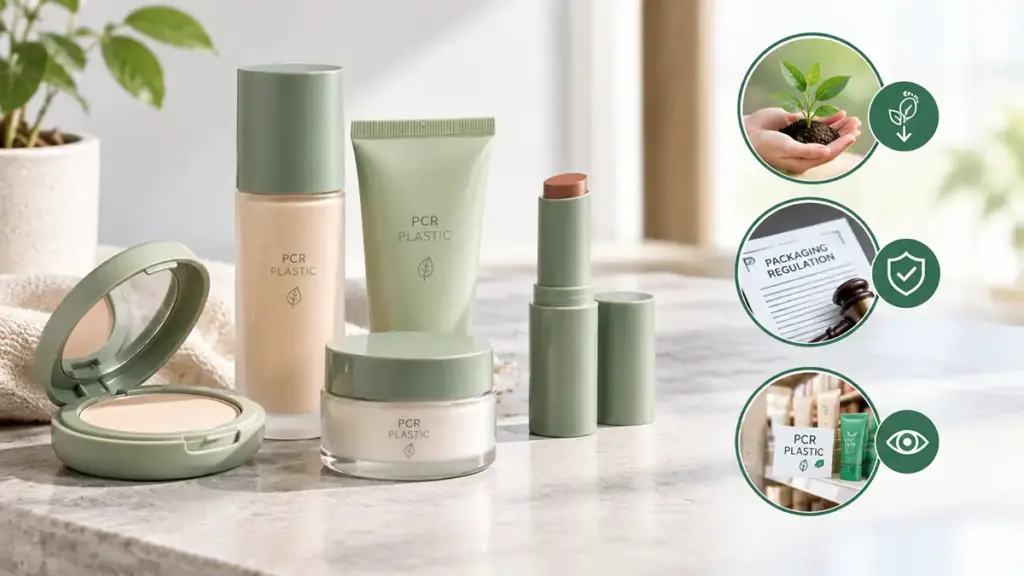

Pore-blurring primer technology is the key to avoiding the costly trade-off between visual performance and poor skin feel. A formula that feels heavy, pills under foundation, or causes breakouts directly leads to high return rates and eroded profit margins. It is a technical problem with a direct financial consequence.
This guide covers how the blur is actually built. Light scattering from silica and polymethylsilsesquioxane (PMSQ) powders, the film silicone elastomers lay over skin texture, and the oil-control systems that hold the effect through a workday.
It then sets out how a manufacturer proves a pore-blurring claim, and what a brand should write into the brief when commissioning one.
What Is a Pore-Blurring Primer?
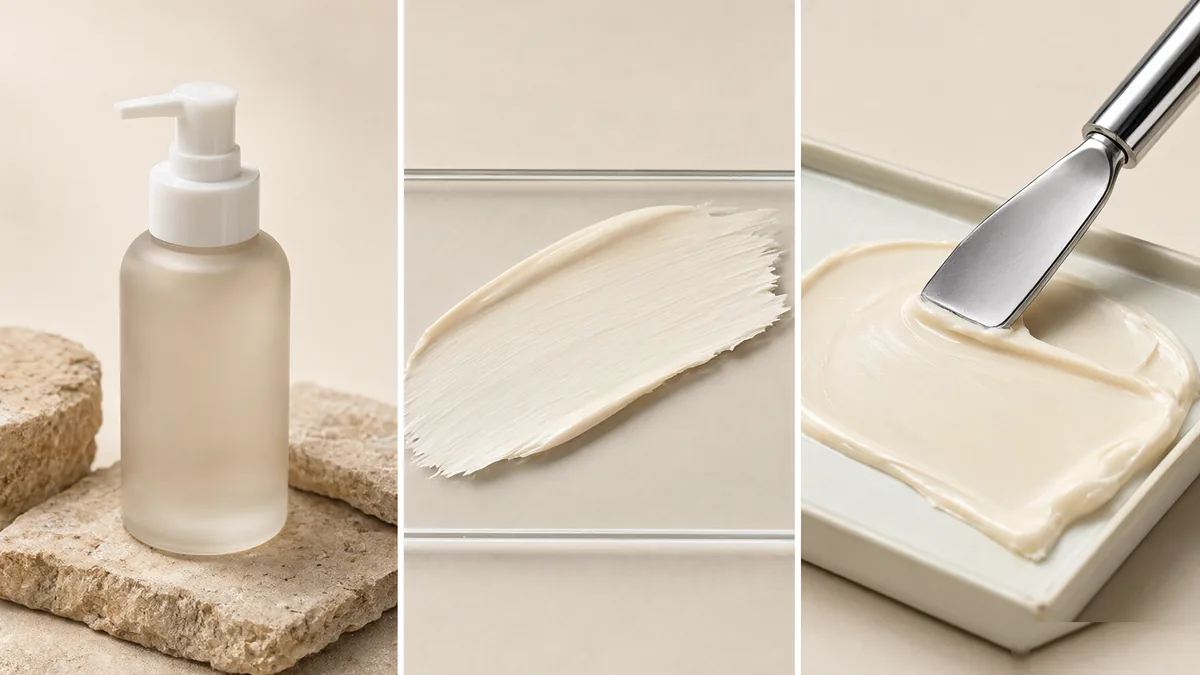
A pore-blurring primer is a makeup base that uses silicones and light-diffusing particles to smooth skin texture, reduce the look of pores, and lay a flat canvas under foundation.
The job is to make pores and fine lines read as smaller. It lays a thin, even layer over the skin, so foundation sits on a flat surface instead of catching on texture. The finish buyers call airbrushed or poreless comes from two actions at once. The formula smooths the surface physically, and it scatters light so the shadows inside pore openings stop reading as dark points.
Primer ranges split by the job they do: hydrating, mattifying, color-correcting, pore-filling. The blurring type sits in the silicone-based pore-filling group, which is how we list it on our face primer production line. It is a cosmetic effect rather than a skin treatment, and it disappears when the film is cleansed off.
Oil control belongs in the same conversation. Shine deepens the shadow inside a pore opening, so a blurring primer that lets sebum surface by midday loses the effect it was bought for. We pair diffusing particles with oil-absorbing powders and set the finish to matte or demi-matte.
How Pore-Blurring Technology Works
Pore-blurring products do not change pore size. They create a temporary optical effect by filling texture and scattering light, so the skin surface looks smoother.
The mechanism is straightforward cosmetic engineering. Three actions carry the effect, and a formula that scores well on all three is what a brand is buying when it specifies a blurring primer. None of them is permanent. The result lasts until the film is removed.
Light Diffusion Effects
Light-diffusing particles scatter the light that hits the skin instead of reflecting it straight back. A pore is a shallow depression, and what makes it visible is the shadow inside it. Scattering softens that edge contrast, so the eye reads a flatter surface. That is the soft-focus effect on a label, and it is the same principle a diffusion filter applies to a photograph.
Spherical Powders
Sphere geometry matters: a round particle spreads incoming light across many angles instead of one. Spherical silica and silicone powders roll across the surface, spread light broadly, and cut the contrast between the skin plane and the pore opening. The same geometry gives a primer its dry, silky slip, so the smoothing and the sensorial feel come from one ingredient class.
Silicone Elastomers
Silicone elastomer gels, usually dimethicone crosspolymer dispersed in a volatile carrier, supply the physical half of the effect. They lay a flexible film that bridges over fine lines and texture rather than settling into them. That film also holds the diffusing particles in place once the carrier flashes off, which is why elastomer load drives both the blur and the velvety finish. Shin-Etsu’s soft-focus guide describes the same two actions in its own crosslinked silicone gels and powders: light scattering, then blurred pores and lines.
| Mechanism | Ingredient Class | What It Changes | Where It Fails |
|---|---|---|---|
| Light diffusion | Spherical silica, PMSQ | Softens the edge of each pore opening | Washes off with the film |
| Surface filling | Silicone elastomer gels | Bridges fine lines and rough texture | Heavy film grips dry patches |
| Oil absorption | Mattifying powders | Stops shine from darkening pores | Overdosed powder feels tight |
| Layer grip | Film-forming polymers | Helps foundation stay put for hours | Mismatched foundation pills |
Launch Your Pore-Blurring Primer Line

Key Ingredients Used in Pore-Blurring Primers
Pore-blurring primers rely on light-scattering powders such as silica and PMSQ for the visual effect, plus oil-control agents that keep the finish on the skin.
Silica Microspheres
Silica is the workhorse of the blur, and it earns its place on three counts: how it handles light, how it handles sebum, and how it feels.
- Optical blurring: The spherical shape scatters light and creates a soft-focus effect. This dulls the sharp edges of pores and fine lines, so they read as less deep.
- Oil absorption: The porous structure takes up surface sebum. That gives an immediate mattifying effect and protects the wear time, especially on oily skin types.
- Texture improvement: Silica gives the primer a silky, non-tacky feel, so foundation glides instead of dragging or catching.
PMSQ Powders
PMSQ is a spherical silicone powder, and the ingredient suppliers we buy it from specify it as an optical-diffusing and texturizing powder. That is why it turns up in primers sold on a soft-focus claim rather than on a hydration claim.
- Intense soft-focus: PMSQ delivers a strong optical blur. It leaves a smooth, second-skin finish without the heavy or chalky feel of some powders.
- Velvety feel: It is lightweight and non-greasy on the skin, which carries most of the premium sensorial impression in a blurring primer.
- Film integrity: The powder supports a flexible film that resists creasing and helps makeup hold, so the blurred look survives a full day rather than the first hour.
Oil-Control Ingredients
Controlling oil matters because shine makes pores look larger. Effective primers attack the problem from more than one angle instead of blotting only the surface.
- Instant and sustained action: Formulas blend fast-absorbing powders for immediate oil uptake with ingredients that slow how quickly sebum returns, for a matte finish that holds.
- Skincare actives: Niacinamide and salicylic acid appear in blur primers for oily, congested skin. The brief then asks the formula to work on the cause, not only on the look.
- Oil-free base: Many primers run on a silicone elastomer gel with no added oil phase. The result is a breathable film that smooths texture without feeding the skin more sebum.
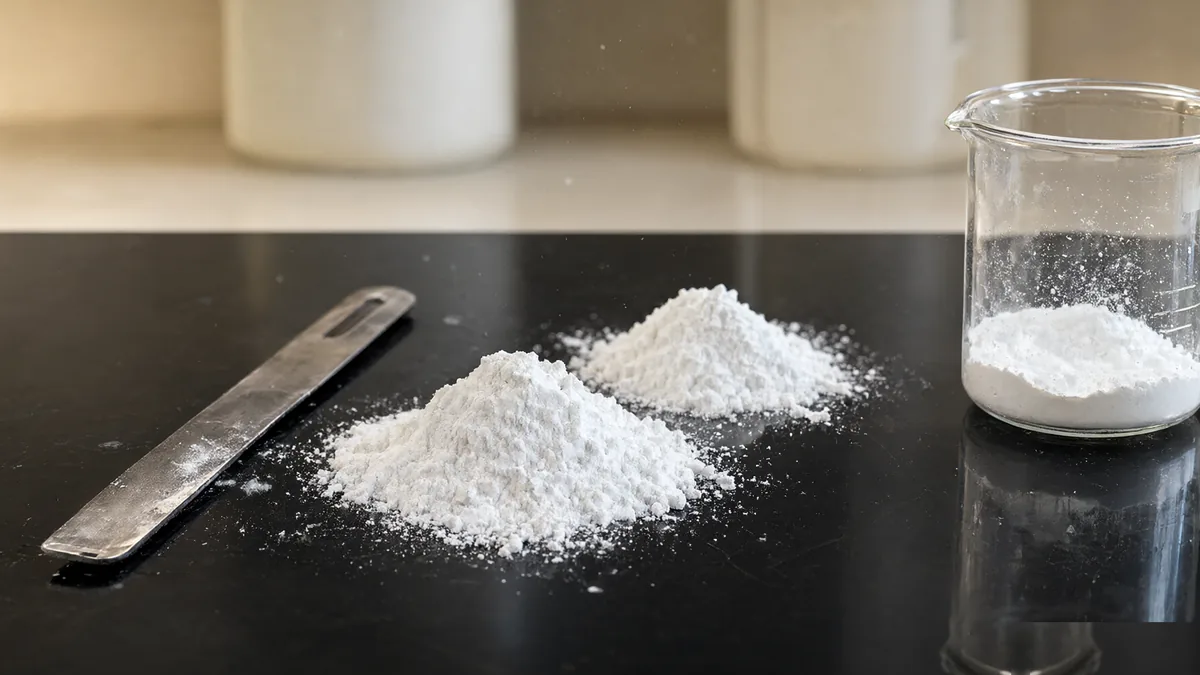
Balancing Blurring Performance and Skin Comfort
A good blurring primer delivers a smooth, lasting finish without drying the skin or feeling like a heavy, suffocating mask. That balance is the hard part of the formula.
Control de aceite
Excess oil is the enemy of a blur. It brings back shine and breaks down makeup, undoing the primer’s work. Absorbing powders and clays pull that sebum off the surface, and the risk sits at the other end of the same dial. Dosed too high, they leave the skin feeling tight and dry, and foundation starts to cling to flakes. The target is a soft-matte finish that keeps shine down without stripping the skin of its natural moisture.
Texture Optimization
The blurring effect comes from two sources: physically smoothing the surface and optically diffusing light. Silicone elastomers and spherical powders do both jobs at once. A successful formula feels velvety and non-greasy, grips makeup, and does not pill or weigh the skin down. The standing challenge is reaching maximum smoothing without building an occlusive layer that the skin cannot breathe through.
Long-Wear Performance
Flexible film-formers create a breathable shield that locks in the blur and slows the oil and sweat that break makeup down. That film cannot be a rigid mask. It has to move with the face, or it cracks on expression and ends up emphasizing the very lines it was bought to hide. Comfort over hours of wear is a requirement, not a bonus, and it constrains how much film former a formula can carry.
How that film is built, mixed and filled is a separate process question, and our guide to grip primer manufacturing sets out the production control points behind a long-wear film.
How Manufacturers Evaluate Pore-Blurring Claims
Brands validate pore-blurring claims with objective machine data, real-world consumer panels, and expert visual grading under controlled lighting.
A blur claim needs proof behind it before it goes on a pack. Brands build that evidence three ways. One published pore study shows the shape of it: image-analysis software measured pore number and size, then 11 experts graded cheek photographs against a 6-grade chart.
Instrument Testing
This is the numbers layer. It removes subjectivity and records how the product physically changes the appearance of the skin.
- Objective measurement: The lab produces quantified data on skin texture and pore appearance, before and after use. It records what the instrument sees rather than what a panelist believes she saw.
- High-resolution imaging: 3D skin imaging plus image-analysis software measure pore number and pore size on the same site at each visit.
Consumer Testing
Machines produce data, but the product has to work for real people in real conditions. This is where perception claims get their backing.
- Structured questionnaires: Panels answer agree-or-disagree questions under defined conditions. This is the method behind the percentages printed on packaging.
- Real-world use: Participants apply the primer at home over the test period and report pore minimization, smoothness, and satisfaction with their own foundation and climate.
Photography and Visual Assessment
This layer bridges machine data and consumer perception, and it produces the visual evidence buyers respond to most.
- Standardized photography: Labs shoot with fixed lighting, angle, and camera settings, so before-and-after images document the product’s effect instead of a lighting change.
- Expert grading: Trained graders score pore visibility against a defined reference chart, with images shown in randomized order and a different order for each grader.
How to Develop a Custom Pore-Blurring Primer
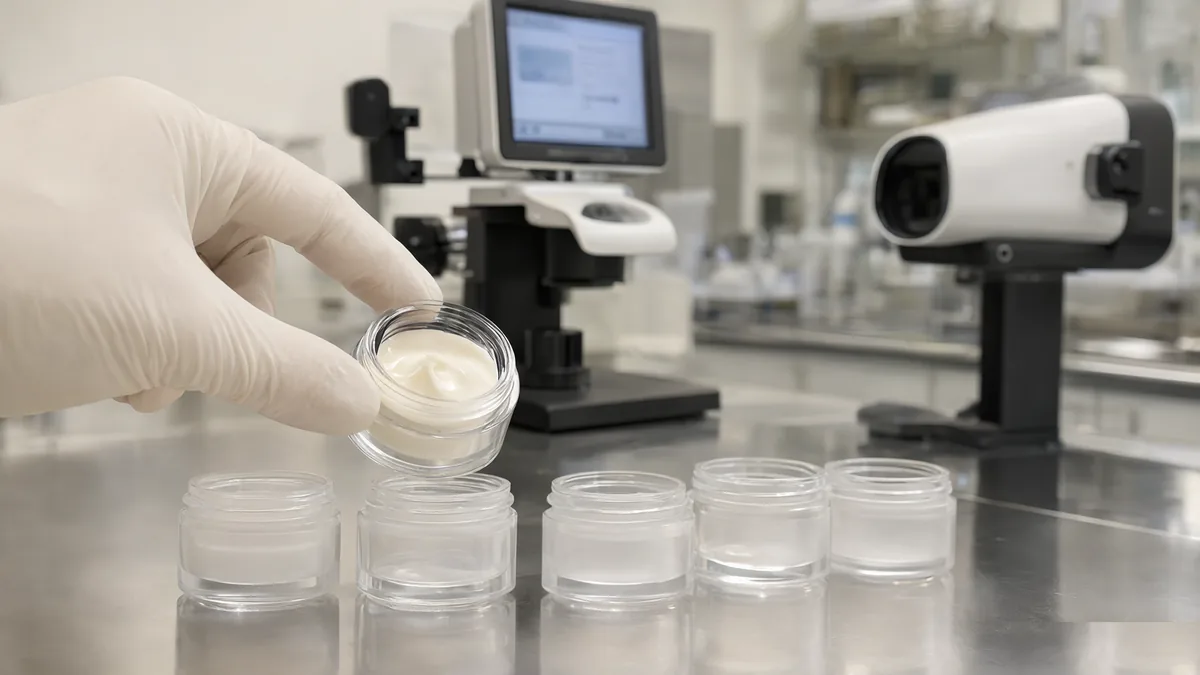
Developing a custom primer starts from a silicone gel base, then layers in optical powders and actives to hit defined performance targets for a target skin type.
Formulating the Base and Adding Actives
The blur sits on a silicone network. Dimethicone and dimethicone crosspolymer carry the slip and the pore-filling action. A volatile carrier such as cyclopentasiloxane thins the film and flashes off, so nothing heavy is left on the skin. The optical powders then sit inside that network at the level the blur target requires.
An added oil phase is optional, and each addition has to be re-checked for compatibility with the silicone network. Light, non-greasy oils and esters enter when the brief asks for cushion rather than flat matte. To move the product from a cosmetic base to a treatment primer, formulators add skin actives such as a vitamin C ester, bisabolol for soothing, and tocopherol for antioxidant support. Those additions also support a higher retail price point.
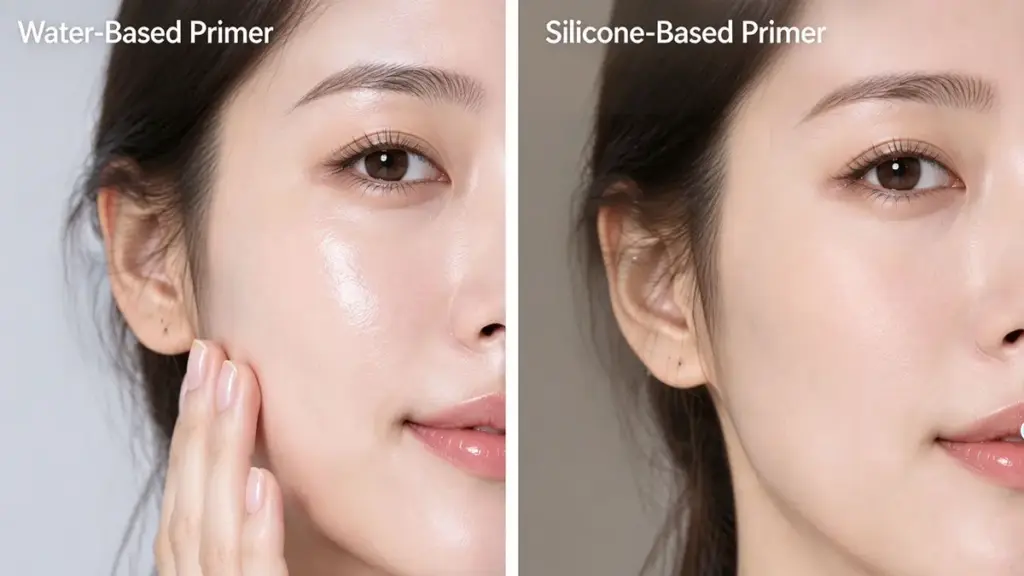
The first strategic choice is the base itself. Our breakdown of silicone vs water-based primer compares what each platform costs, how each behaves on the filling line, and which claims each one can carry.
Performance Testing and Skin Type Adjustments
Once a base is set, performance testing is not optional. The blur is assessed on bare skin and under foundation, at application and after several hours. Compatibility is tested the same way: the primer must not make foundation pill, separate, or cling to dry patches. Oil control decides whether the effect is still there by the end of the day.
The formula is then adjusted to the skin type the brand is selling to, and this is where a blur brief stops being generic. A soft-matte blur for oily skin and a satin blur for mature skin are two formulas, not one formula with two labels. Raising the absorber load deepens the blur and dries the skin. Raising the emollient load does the opposite, and costs you the shine control.
| Target Skin | Finish To Specify | Main Formula Move | Failure To Avoid |
|---|---|---|---|
| Oily, combination | Soft matte | Raise silica absorber load, keep the oil phase minimal | Tight, flaky feel by the afternoon |
| Normal, dry, mature | Satin or radiant | Raise emollient esters or light oils, add fine reflective pigment | Flat matte settling into lines |
| Sensitive | Fragrance-free, minimal actives | Drop fragrance, select only well-tolerated actives | Soothing claims printed without panel data |
Whichever target you formulate for, the base has to survive shipping and storage before it survives a consumer’s bathroom shelf. The stability failure modes specific to primer textures, and the data to ask a supplier for, are set out in our guide to primer stability problems and fixes.
Frequently Asked Questions
Do blurring primers clog pores or cause breakouts?
They can, mainly on oily or acne-prone skin. A blurring primer works by laying a film over the surface, and that film can hold sebum and dead skin inside the pore. The outcome depends on the formula, the wearer’s skin type, and how thoroughly the film is removed at night. A complete double cleanse lowers the risk.
What makes a blurring primer ball up under foundation?
In our sample reviews, pilling comes mostly from layering, not from a defective formula. A silicone-heavy primer under a water-based foundation repels the second layer, and applying either layer too thickly or before it sets leaves an unstable surface. Friction during blending then rolls the primer into small balls.
Is silica or silicone better for a soft-focus effect?
They do different jobs, and a strong formula uses both. Silica is a powder that scatters light and absorbs oil, which produces the optical blur and the matte finish. Silicone elastomers smooth the surface itself by bridging pores and lines. Together they cover diffusion and physical filling in one film.
How do labs prove a pore-minimizing claim?
With three layers of evidence run in a controlled study. Imaging instruments measure pore number and pore size before and after use. Trained graders then score the same photographs against a defined pore chart, shown in randomized order. A consumer panel reports what users actually perceive at home.
What happens under a microscope when a primer blurs pores?
Two things are visible. A thin, flexible film of silicones and polymers bridges across the openings, so the surface is physically flatter than bare skin. Tiny optical particles, mostly silica spheres, sit in that film and scatter light in many directions, which softens the edges and shadows of each pore.
What are spherical powders in a primer?
They are microscopic round particles added for blur and feel. The sphere shape scatters light in multiple directions, which visually softens pores and fine lines. The same geometry gives the primer its silky glide during application and helps it settle over uneven texture instead of digging into it.
Reflexiones finales
Adding blurring powders alone is not a winning strategy. Repeat orders depend on balancing optical performance against skin comfort, and a generic base fails that test in predictable ways. Pilling, breakouts, and a heavy feel are the reviews that follow a formula engineered for a sample rather than for daily wear.
Do not take a blur claim on paper. Order samples of the stock bases and wear them under your own foundation for a full day. Then ask the factory for the instrument, panel, and imaging data behind any pore-reduction number you intend to print.
Tell our team your target finish and skin type, and we will pull the base formulas that match them so you can evaluate the texture and the blurring effect firsthand.