
Effective cosmetic manufacturer sourcing dictates whether a beauty brand scales profitably or collapses under the weight of high defect rates. Partnering with an unverified factory introduces severe operational risks, from microbial contamination and formula separation to unpredictable lead times that trigger costly retail stockouts.
This analysis benchmarks factory capabilities against global ISO 22716 standards and strict Good Manufacturing Practices. We evaluate rigorous quality control parameters, including FTIR specification testing and equipment capacity limits, to help you secure a compliant supply chain and consistent batch performance.
Why Choosing the Right Eyeshadow Palette Manufacturer Matters
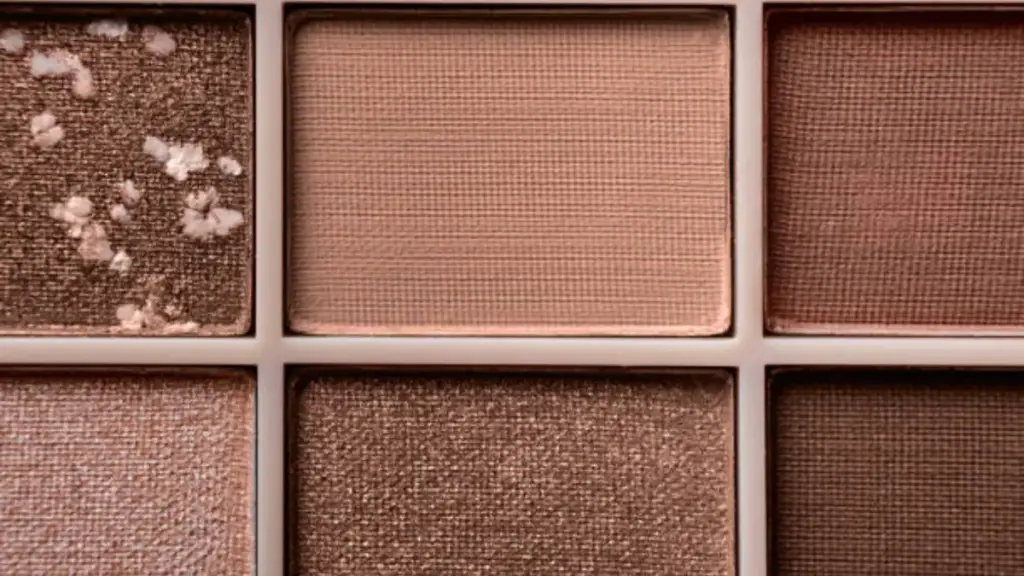
Your contract manufacturing partner dictates your beauty brand’s reputation, scaling potential, and regulatory compliance. Top-tier custom eyeshadow palette manufacturers balance advanced formulation engineering with bulletproof supply chain security to safeguard your market share.
Impact on Formulation and Brand Trust
In the competitive beauty market, consumers judge eyeshadows on immediate color payoff, seamless blendability, and crease-resistant wear. Leading factories utilize strong R&D capabilities to master pigment wetting and control particle distribution, eliminating fallout and costly retail return rates. Furthermore, reputable partners source safe, non-irritating raw ingredients, running rigorous testing for heavy metals and microbiological stability to protect both consumer health and your brand equity.
Supply Chain Security and Compliance
Scaling a profitable makeup line requires absolute facility standards and regulatory transparency. Certified manufacturers operate specialized, dust-free cleanroom workshops to eradicate cross-contamination. By providing flexible MOQs alongside complete traceability documentation—including Material Safety Data Sheets (MSDS) and CoAs—they eliminate custom holds, mitigate legal risks, and ensure seamless retail scaling.
Formula Quality and Ingredient Standards
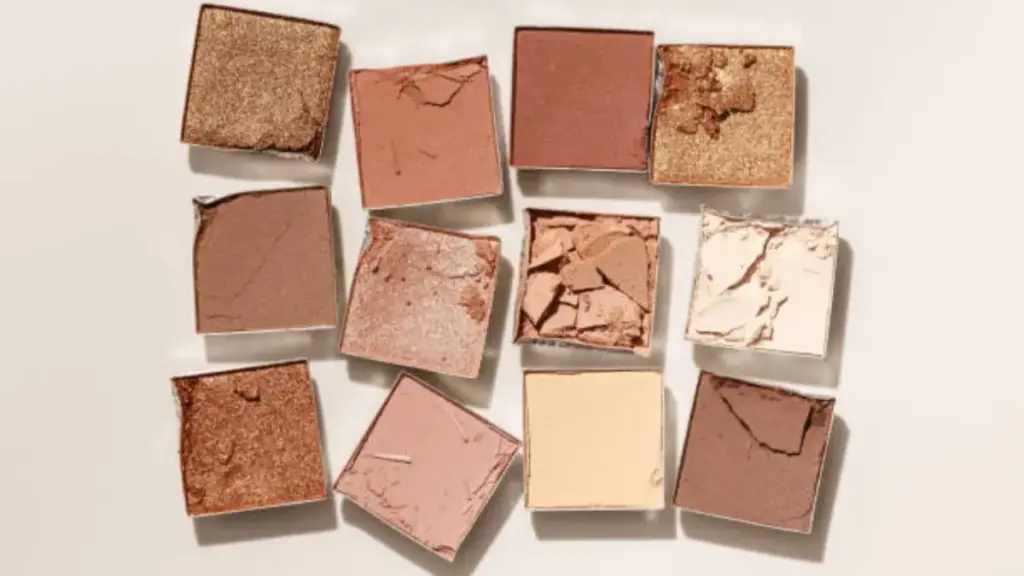
Strict formula quality and ingredient standards dictate an eyeshadow’s performance, ensuring high color payoff, seamless blendability, and global regulatory compliance before mass production begins.
Pigmentation Strength and Color Payoff Consistency
Formulators achieve high color payoff by selecting high-chroma pigments and cosmetic-grade lakes that comply with global color additive regulations. Manufacturers carefully balance pigment loading and control particle size distribution. This specific balance guarantees intense coverage without compromising blendability or creating a gritty texture on the skin.
- Surface treatments: Coating pigments with silicones or amino acids improves pigment wetting, skin adhesion, and overall dispersion quality.
- Quality control matching: Production teams verify payoff consistency by checking production batches against standard L*a*b* color coordinates and retained reference samples.
- Standardized panel testing: Technicians verify one-swipe color intensity, buildability, and transfer resistance directly on skin or analog substrates.
Texture Performance: Blendability and Powder Fineness
Cosmetic fillers like mica, silica, and talc determine powder fineness, directly influencing smooth application and a non-gritty skin feel. To prevent dry or dusty textures, formulators optimize binder ratios using specific oils, esters, or waxes. This binder balance ensures pressed powders resist breakage and hard pan formation over prolonged use.
- Hydrophobic and silicone treatments: These functional coatings reduce friction, creating a soft-focus effect that supports seamless blendability.
- Production parameters: Factory operators control pressing force and dwell time to maintain consistent pan hardness, ease of brush pick-up, and blending performance.
- Testing protocols: Sensory testing and instrumental analysis, including bulk density and laser diffraction, confirm texture stability and compatibility with primers or liquid bases.
Product Stability: Heat Resistance and Shelf Life
Manufacturers run real-time and accelerated stability protocols to test cosmetic formulas under elevated temperatures and UV light. These stress tests confirm the resilience of the product’s color, odor, and texture. Factories use this stability data to establish the final shelf life and period-after-opening (PAO) timelines, backing safety claims with complete GMP documentation.
- Freeze-thaw cycle testing: Ensures products maintain structural integrity and resist oil separation or pan cracking during global transport.
- Microbiological safety: Microbial limit testing and preservative challenge tests verify that formulas resist bacteria and mold growth over their intended lifespan.
- Packaging compatibility: Assessments confirm formulas do not leach into plastic components or cause container deformation under standard storage conditions.
Launch Your High-Margin Custom Eyeshadow Line
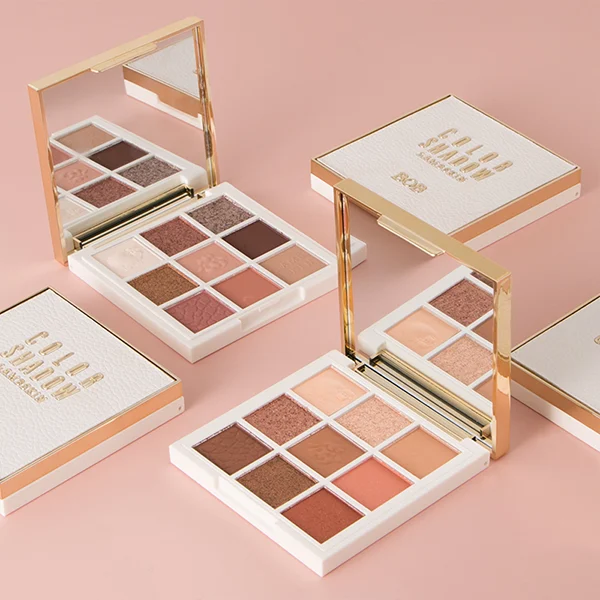
Manufacturing Quality Control System
A robust quality control system ensures every cosmetic batch meets strict safety and performance standards. Integrating raw material checks, in-process monitoring, and final inspections prevents defects and guarantees compliance.
| QC Stage | Key Controls | Primary Goal |
|---|---|---|
| Incoming Material | CoA verification, specification testing (FTIR, HPLC) | Prevent contaminated ingredients from entering production |
| In-Process | BMR tracking, CPP monitoring (temp, shear) | Maintain emulsion quality and prevent cross-contamination |
| Final Inspection | Physical specs, microbial counts, CAPA management | Ensure market readiness and control defect rates |
Incoming Material Inspection and Raw Ingredient Control
We build the foundation of product safety before manufacturing even begins. You must approve suppliers based on their GMP or ISO 22716 audit results, history of on-time deliveries, and complete documentation like Certificates of Analysis (CoA) and Safety Data Sheets (SDS).
The QA team places all incoming materials in quarantine with unique internal codes until they verify sampling results and officially release the batches. We evaluate primary packaging components like jars and pumps for functional integrity, leak resistance, and product compatibility to prevent mechanical failures.
We test every incoming raw material and packaging component for identity. Safety-critical ingredients undergo full specification testing, which includes:
- FTIR and HPLC: Identity and active ingredient concentration checks.
- Microbial Counts: Total aerobic and yeast/mold limit verification.
- Heavy Metals: Screening for safety risks like lead, arsenic, and cadmium.
In-Process Quality Checks During Production
Active monitoring on the production floor prevents off-spec batches from reaching final quality control. Operators document every manufacturing step in a Batch Manufacturing Record (BMR) to capture raw material lot numbers, mixing times, and temperature profiles for full traceability.
Before starting a new batch, the team executes validated cleaning procedures and line clearance checklists to prevent cross-contamination between different formulations or allergen profiles. During compounding, we track Critical Process Parameters (CPPs) to maintain consistent emulsion quality and texture. These parameters include:
- Heating Profiles: Controlled temperature scaling for stable emulsions.
- High-Shear Mixing Speeds: Optimized droplet size and dispersion.
- Vacuum Deaeration: Air removal to prevent foaming and oxidation.
Once the bulk product reaches the filling station, operators perform periodic on-line checks to verify target fill weights, closure torque, label alignment, and legible batch coding.
Final Product Inspection and Defect Rate Control
Final inspection ensures only safe, fully compliant products leave the facility. We verify all finished goods against formal specifications by checking physical appearance, pH, viscosity, active ingredient assays, and microbiological safety limits.
The lab conducts preservative efficacy challenge tests and stability studies. These tests confirm the product remains safe and effective throughout its assigned shelf life and Period After Opening (PAO). To maintain strict quality standards, we monitor key performance indicators (KPIs) like in-house defect rates and customer complaints.
Quality control teams classify production defects into three distinct categories:
- Critical Defects: Safety or regulatory failures like microbial contamination.
- Major Defects: Functional issues like leaking packs or severe texture separation.
- Minor Defects: Small cosmetic imperfections like slight print misalignment.
We manage any nonconformances through Root Cause Analysis. The team implements Corrective and Preventive Actions (CAPA) to contain affected lots and optimize future production runs.
Certifications and Quality Control
Certifications and strict quality control systems prove a manufacturer’s ability to deliver safe, consistent cosmetics while protecting your brand from costly regulatory and reputational risks.
Core Manufacturing and Environmental Certifications
Buyers need concrete proof that a facility operates safely and efficiently. The baseline for any reputable cosmetics manufacturer starts with recognized global standards that mitigate risk and ensure consistency across every production run.
- ISO 22716: Acts as the global standard for cosmetic Good Manufacturing Practice (GMP), dictating strict hygiene, personnel training, and facility maintenance rules to minimize contamination risks.
- ISO 9001: Proves systematic process control, complaint handling, and reliable scaling capabilities from raw material intake to final delivery.
- Sustainability Targets: Facilities pursue ISO 14001 for environmental management, RSPO for sustainable palm oil sourcing, and SMETA for ethical labor practices.
- Niche Product Certifications: Brand owners targeting specific markets require specialized product-level verifications from manufacturers, such as COSMOS or Ecocert for organic claims, and V-Mark for vegan and cruelty-free validation.
Quality Control Structures and Regulatory Documentation
Certifications only hold value when backed by rigorous daily oversight. Top cosmetic manufacturers deploy structured quality control across the entire production lifecycle, catching defects long before products reach the shipping bay.
- Four QC Pillars: Robust systems operate across raw material and packaging verification, in-process production checks, finished product evaluation, and microbiological screening.
- Internal Laboratory Testing: Technicians execute practical tests on every batch, assessing physico-chemical properties like pH, viscosity, and density, alongside accelerated stability tests to check packaging compatibility.
- Microbiological Screening: QC teams utilize plate counting and qPCR-based molecular screening to guarantee products stay below microbial limits and remain free from pathogenic organisms.
- Regulatory Documentation: Manufacturers must support brands with strict compliance data, providing inputs for the EU Cosmetic Product Safety Report (CPSR) and meeting US FDA GMP inspection checklists to prevent misbranding or adulteration.
Custom Packaging and Private Label Options
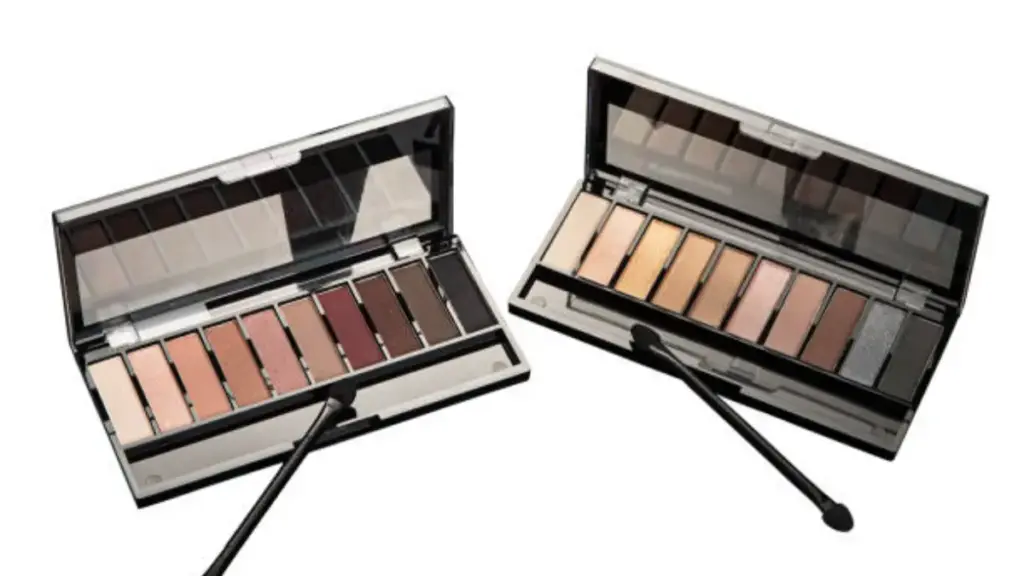
Private label and custom packaging let brands launch quickly while controlling their image and costs, offering scalable options from stock components to bespoke molds.
Levels of Private Label Customization
Cosmetic manufacturers offer tiered customization paths to match your brand’s growth stage, budget, and desired time-to-market.
- Standard Private Label: Relies on pre-formulated, stability-tested formulas paired with stock packaging. This path offers the fastest market entry and lowers your regulatory risk.
- Semi-Custom Models: Allow brands to pair stock formulas with upgraded packaging finishes, unique colors, or minor formula tweaks like fragrance adjustments to stand out on the shelf.
- Full Custom Manufacturing: Involves developing bespoke formulas and custom packaging molds. This route demands higher minimum order quantities and longer development timelines but delivers a completely unique product.
Structural Components and Material Selection
The physical structure and material of your packaging directly impact product stability, user experience, and market positioning. Manufacturers match specific structural formats and materials to your formula to prevent leaching and ensure proper dispensing.
- Structural Formats: Suppliers provide diverse components, including airless pumps to protect sensitive skincare actives, heavy-wall glass jars for premium lines, and squeeze tubes for daily cleansers or sun care.
- Material Selection: Teams choose materials based on formula compatibility. Options span standard PET plastics, aluminum components, and FSC-certified paperboard cartons for secondary packaging.
- Sustainability Priorities: Eco-conscious brands increasingly adopt post-consumer recycled (PCR) plastics, refillable cartridge systems, and lightweight components to reduce their environmental impact.
MOQ, Production Capacity, and Lead Time
Equipment limits dictate MOQs and capacity, directly shaping your unit costs and lead times. Align your order volumes with factory capabilities to ensure steady scaling.
Core metrics in cosmetic manufacturing
Minimum Order Quantity (MOQ) defines the minimum units or batch size a supplier accepts. Mixing tank requirements heavily influence this baseline. Tanks typically demand at least two-thirds capacity to function properly, setting a hard floor on batch sizes. Depending on your sourcing model, MOQ requirements vary drastically:
- Private label suppliers: Routinely offer low MOQs ranging from 100 to 500 units for stock items.
- Custom OEM formulations: Generally require 1,000 to 5,000 units per SKU.
Production capacity dictates the maximum volume a factory outputs over a specific period. This throughput relies entirely on tank configurations, filling line speeds, and routine maintenance schedules. Capacity constraints directly determine how long you wait for finished goods. Standard production lead times break down into two main categories:
- Pre-formulated private label products: Span 2 to 4 weeks.
- Custom bulk manufacturing: Stretch to 6 to 12 weeks.
Balancing order volumes with production speed
Manufacturing equipment sizes directly dictate minimum batch requirements. This physical constraint forces buyers to align their order quantities with factory capabilities. High facility utilization extends lead times, especially when factories use shared multipurpose lines or run peak seasonal production schedules. A busy factory means your order waits longer in the queue.
Different business stages require different purchasing strategies. Startups often accept higher unit costs for low MOQs and rapid turnarounds to test the market safely. Scaling brands shift their focus to margin optimization, negotiating tiered pricing for larger, scheduled production runs.
Successful brands manage the interplay between capacity limits and demand spikes proactively. They implement rolling forecasts and secure production windows months in advance. Securing time on the factory floor early prevents stockouts and ensures continuous supply during critical retail seasons.
Réflexions finales
While unvetted factories offer lower upfront costs, partnering with a certified manufacturer remains the only way to safeguard your brand against costly regulatory recalls and poor formula performance. A robust quality control system, backed by ISO standards and strict compliance data, guarantees consistency across every single batch you scale. Your long-term profitability relies on delivering safe, high-pigment palettes that consumers actively trust and repurchase.
Do not guess on product quality—verify it directly. We recommend partnering with Siloran and test pigment density, blendability, and packaging durability firsthand before scheduling mass production. Contact the Siloran manufacturing team today to discuss your custom OEM specifications and map out your exact scaling timeline.
Frequently Asked Questions
How do you test eyeshadow palette quality?
Professional factories run laser diffraction for particle size, freeze-thaw cycles for stability, Lab color coordinates for payoff consistency, and rigorous package drop tests to ensure reliable transit and high-performance product durability.
Why does eyeshadow patch up during application?
Patchy eyeshadow stems from imbalanced binder-to-slip-agent ratios or poorly milled pigments. On the user side, applying powder directly onto excess eyelid oils without a proper primer baseline prevents smooth, buildable blending.
What ingredients make eyeshadow highly blendable?
High blendability requires cosmetic fillers (talc, mica, silica) for a silky gliding texture, dry binders (zinc or magnesium stearate) to reduce heavy skin drag, and emollients (dimethicone) for a seamless, diffused finish.
What are the signs of a bad cosmetics factory?
Warning signs include a lack of ISO 22716 or GMP certifications, missing Batch Manufacturing Records (BMR) for tracking, inadequate cleanroom dust controls, and an inability to provide verified microbiological stability data.
How do you check for FDA compliance in makeup?
Audit compliance by confirming the facility registers under MoCRA, verifying that all eye-area pigments have FDA-approved color additive status, and ensuring product labels carry accurate ingredient declarations without illegal drug claims.