

Creating a custom lipstick formula for your own brand is a rewarding journey. Whether you’re launching a new cosmetics line or aiming to differentiate your existing products, understanding the fundamentals of lipstick formulation can set you apart in a competitive market. This process allows you to craft a product that matches your brand’s identity, appeals to your target audience, and delivers a memorable user experience.
In this article, we’ll walk through the essential steps to develop your custom lipstick formula. From conducting initial research to finalizing your packaging, we’ll cover every phase of the development process in detail, using clear language, expert insights, and industry-specific knowledge to guide you.
Step 1: Initial Research and Concept Development
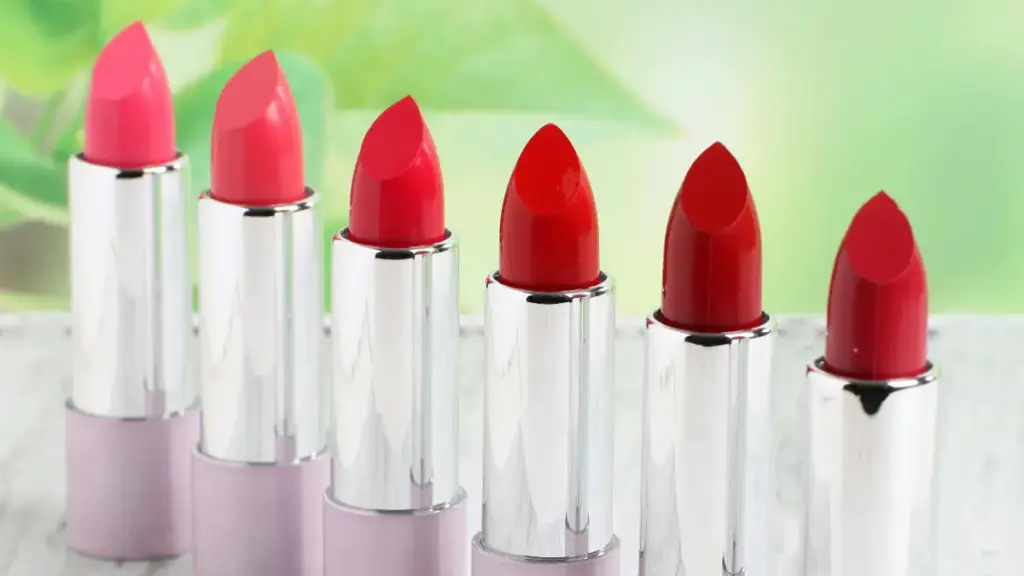
Before diving into the world of formulation, start with research! The first step in developing a custom lipstick is identifying your niche, and determining the kind of product you want to create. Are you focusing on luxury, everyday wear, or long-lasting performance?
Consumer Preferences & Trends:
Your target customers’ preferences is key. For example, matte lipsticks are currently highly popular for their modern, sophisticated look, but glossy formulas remain staples for those looking for hydration and shine. Your formula will need to reflect these preferences.
Competitive Analysis:
Research other brands in the market. What’s working for them, and what can you do differently? If there’s a gap in the market for organic or cruelty-free lipsticks, this could provide an opportunity for your brand.
Brand Identity:
Your lipstick should reflect your brand’s personality. Think about your values—whether they’re about sustainability, inclusivity, or innovation—and how these will shape the formula you create.
Step 2: Raw Material Selection
Once you’ve established your vision, it’s time to select the raw materials. The ingredients you choose will determine the quality, texture, and performance of your lipstick.
- Ceras: These provide structure and consistency. You can choose from natural options like beeswax, carnauba wax, and candelilla wax, or synthetic alternatives like microcrystalline wax. Natural waxes tend to offer a more luxurious feel, while synthetic ones provide better stability.
- Óleos: Oils offer moisture and smooth application. Common choices include castor oil, jojoba oil, and sweet almond oil. For vegan formulations, consider alternatives like sunflower or rapeseed oil, which offer similar benefits without animal-derived ingredients.
- Pigmentos: Pigments give your lipstick its color. You can choose natural mineral pigments (e.g., iron oxide, mica) or synthetic alternatives, such as FD&C dyes. Each offers different vibrancy, but synthetic pigments tend to provide more intense, long-lasting color.
- Butters and Emollients: These ingredients improve texture and hydration. Shea butter, cocoa butter, and mango butter are popular natural choices. For a vegan product, consider alternatives like avocado butter.
Each ingredient must be carefully selected to ensure the lipstick meets your desired texture, durability, and performance. For example, using a high-quality wax can create a firmer formula, whereas more oils can create a glossier finish.
Step 3: Choosing the Right Texture and Finish
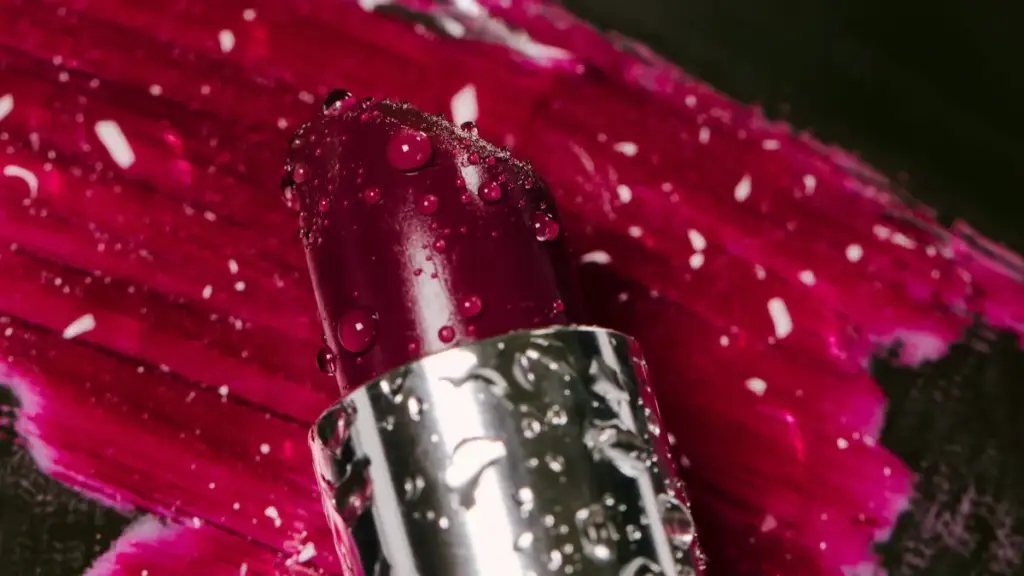
The physical form and final finish of your lipstick are the primary drivers of user experience and manufacturing complexity. Choosing between solid and liquid formats, and their respective finishes, will dictate your production line and packaging requirements.
Form Factor: Solid vs. Liquid
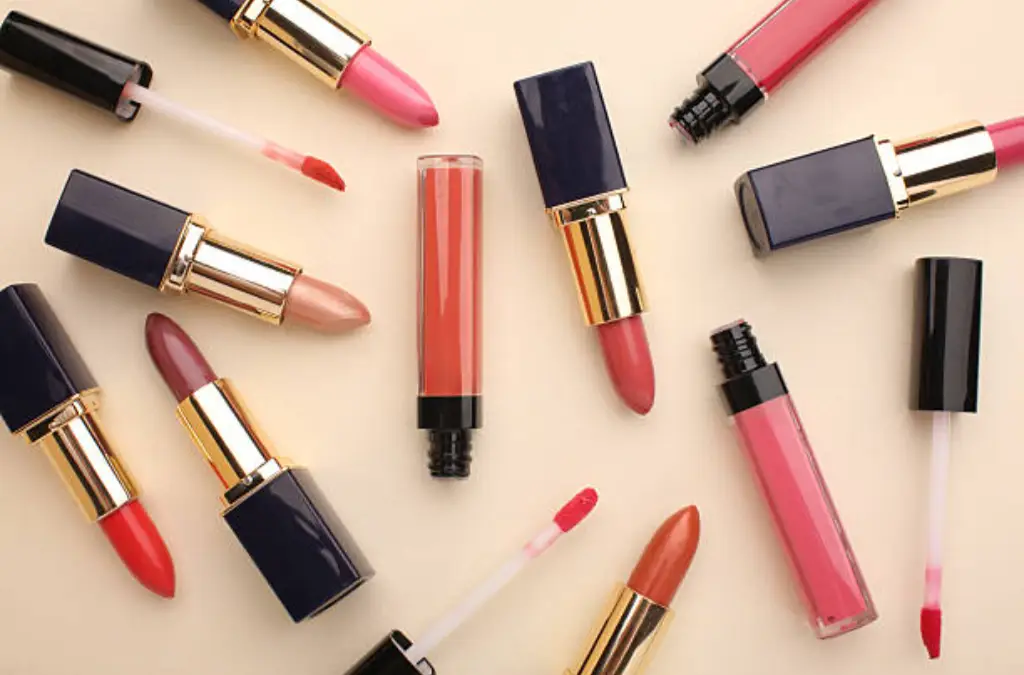
Solid Liptick: The industry standard for portability and classic application. It requires precise temperature control during the “hot pour” process to ensure a smooth, air-bubble-free bullet.
Batom líquido: Highly popular for high-definition color and precision. These formulas often utilize volatile silicones that evaporate upon application, leaving a lightweight, budge-proof film.
Professional Finish Profiles: Matte vs. Glossy vs. Satin
Matte: Delivers a sophisticated, no-shine look with maximum longevity. Modern B2B formulations often incorporate “velvet” elastomers to ensure the high pigment load doesn’t feel overly drying.
Glossy: Prioritizes high-refractive-index oils for a youthful, hydrating shine. The technical challenge is achieving “grip” to prevent the formula from sliding or feathering.
Satin: A versatile middle ground, offering a comfortable, moisture-rich feel with a subtle, healthy sheen—ideal for everyday professional wear.
Step 4: Achieving Perfect Pigmentation
Pigmentation is arguably the most crucial aspect of lipstick development. Customers expect a rich, vibrant color that doesn’t fade quickly. Achieving this requires careful formulation and an understanding of how pigments work in cosmetics.
Types of Pigments
- Iron Oxides: These are common in lipsticks and provide the red, brown, and yellow shades.
- Lake Pigments: These are synthetic and provide intense color, especially in vibrant hues like red or purple.
- Titanium Dioxide: This pigment provides opacity and is often used in lighter shades.
Color Development Checklist
Perfect pigmentation requires experimentation, use the following technical checklist for color matching:
| Shade Category | Primary Pigment Strategy | Opacity Goal |
| Nudes & Browns | High ratio of Yellow and Red Iron Oxides + Titanium Dioxide. | High / Full Coverage |
| Pinks & Reds | Blend of D&C Red Lakes with minimal Mineral Oxides. | Medium to High |
| Vibrant Oranges | Focus on FD&C Yellow or Orange Lakes. | High Vibrancy |
| Dark Tones (Purple/Black) | Manganese Violet or Iron Oxide Black; requires high dispersion. | Full Density |
Step 5: Balancing Performance and Wearability
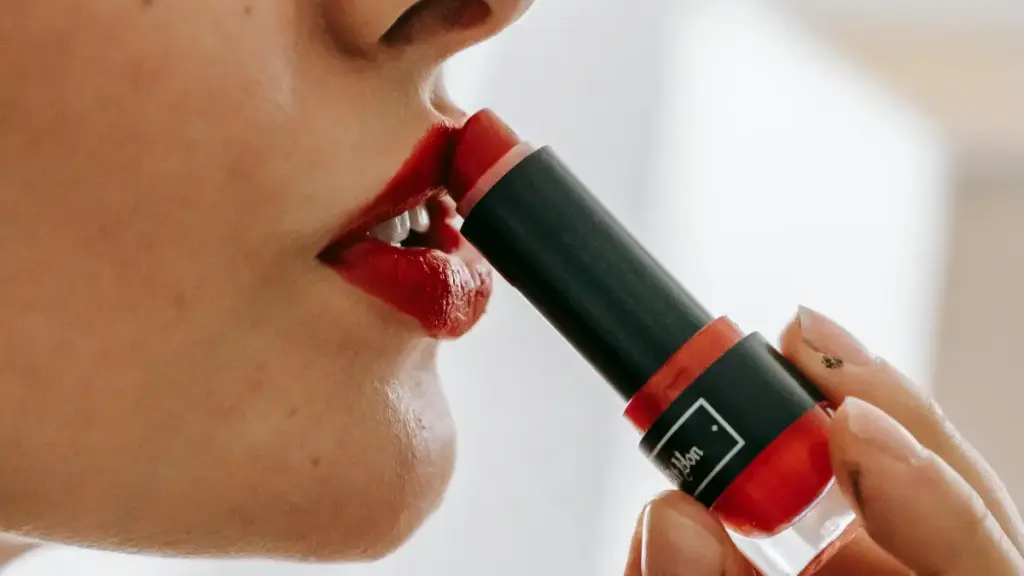
In professional lipstick cosmetics manufacturing, the most difficult technical challenge is balancing long-wear performance with sensory comfort. A formula that stays on for 12 hours but feels heavy or drying will lead to low customer retention. Conversely, a highly moisturizing product that smudges easily may not meet modern market expectations.
Longevity and Smudge Resistance
To achieve superior stay-power, formulators use film-forming agents like silica or dimethicone. These lipstick ingredients create a flexible, microscopic barrier that anchors pigments to the lips and resists transfer.
For brands developing a vegan lipstick line, natural resin-based film formers serve as effective synthetic alternatives to maintain high durability without compromising ethical standards.
Comfort and Hydration
Wearability is defined by “skin feel” throughout the day. Integrating active humectants like hyaluronic acid or vitamin E ensures the lips stay hydrated even as the volatile oils evaporate.
The goal for your custom lipstick color project is to find the “sweet spot”:
- High Performance: Incorporating volatile silicones for a quick-set, transfer-proof finish.
- Daily Comfort: Adding botanical emollients to provide a creamy, breathable texture.
Step 6: Testing and Refining
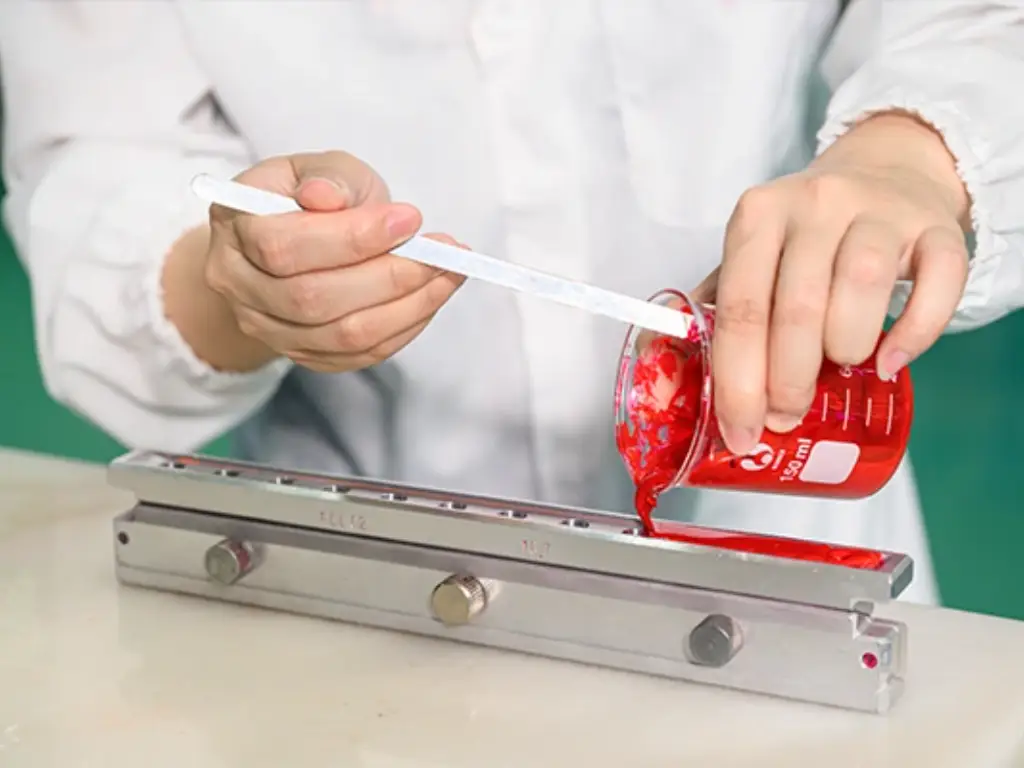
To ensure cosmetics quality, a formula must undergo a series of stringent laboratory evaluations before entering mass production. These steps of cosmetics quality control are vital to verify that your custom formula remains safe, stable, and high-performing under various conditions.
Compatibility Analysis: A critical Compatibility Test evaluates the interaction between the lipstick and its tube to prevent leaking or chemical degradation.
Safety & Purity Testing: We conduct Microbial Tests to ensure ingredients are free of contaminants and Heavy Metal Tests to guarantee the product meets international safety standards.
Chemical Stability: The pH Test is performed to ensure the formula is compatible with the skin’s natural balance, preventing irritation.
Environmental & Sensory Evaluation: Temperature Tests verify the product’s integrity in extreme heat or cold, while Color and Smell Tests ensure the sensory experience meets the original design specifications.
Step 7: Packaging and Branding
Packaging is the first physical interaction a customer has with your brand. For professional lipstick cosmetics, the container must balance technical functionality with market positioning. To ensure a seamless launch, brands should evaluate specific material and design options that align with their target price point and identity.
Structural and Material Options
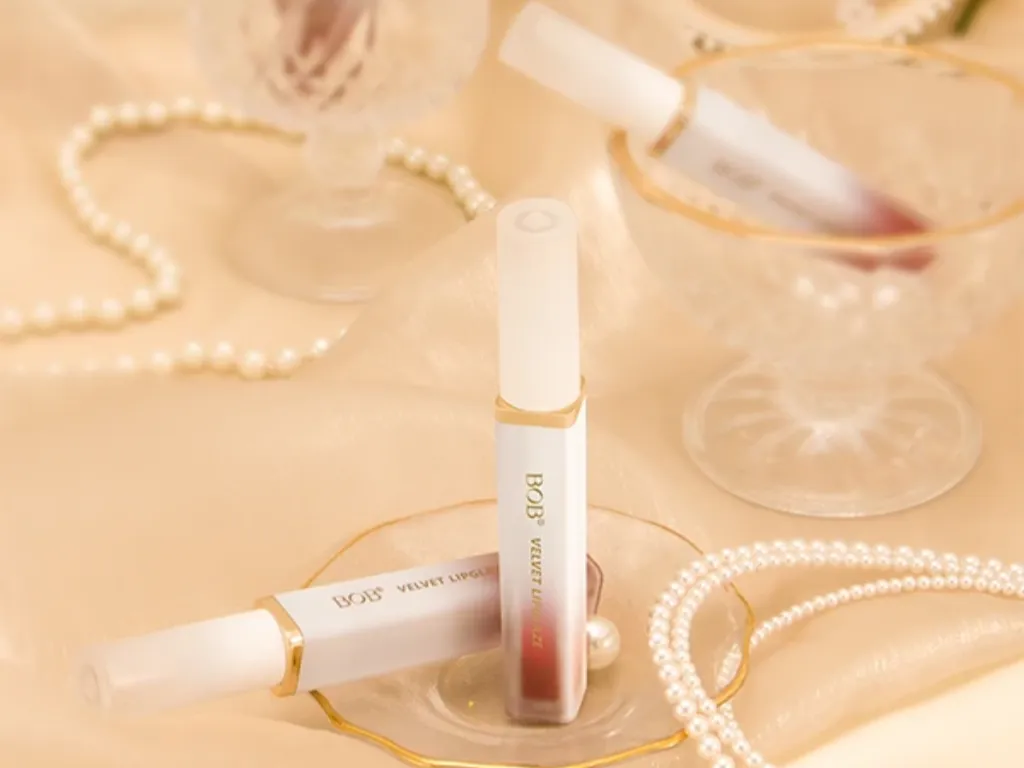
- Lipstick Case and Packaging: Beyond the standard twist-up tube, consider premium upgrades such as Magnetic Closures for a luxury feel or Slim-line Click Pens for high-precision liquid formulas.
- Material Selection: Options range from durable Aluminum and high-grade ABS plastics to sustainable PCR (Post-Consumer Recycled) materials for eco-conscious lines.
Customization and Finishing Techniques
To differentiate your custom lipstick color in a crowded market, utilize professional custom lipstick packaging services:
- Surface Treatments: Options include matte soft-touch coating, metallic electroplating, or high-gloss UV finishes.
- Branding Application: Implement precise detailing through Silk Screening or Hot Stamping to ensure your logo remains durable.
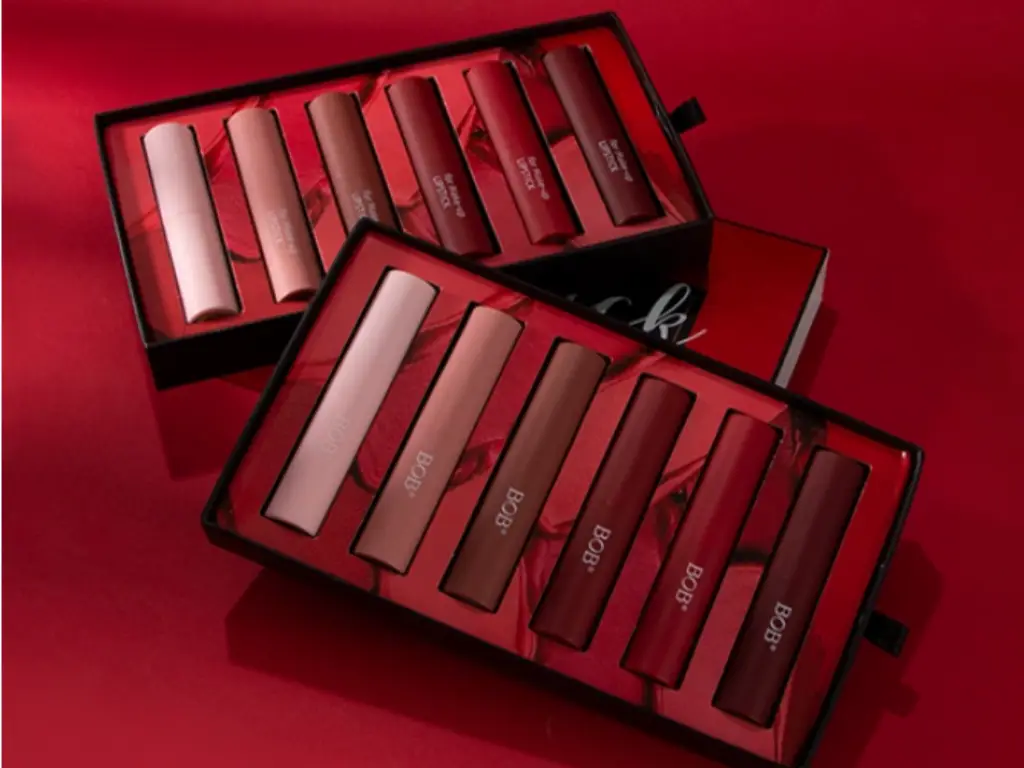
- Lipstick Gift Set: If you are planning a holiday launch or a premium lipstick gift set, specialized secondary packaging like rigid magnetic boxes or EVA-insert display cases can significantly enhance the unboxing experience.
How Can I Scale My DIY Lipstick Formula for Mass Production?
While experimenting with basic lipstick ingredients like beeswax and oils at home is a great way to explore color concepts, transitioning to a commercially viable product requires industrial-grade precision. Crafting a formula that meets global safety standards and maintains stability during shipping is only achievable through professional manufacturing.
Challenges of Scaling for Commercial Sale
- Formula Stability: A home-made mixture often lacks the preservatives and emulsifiers needed to prevent separation or oxidation over time.
- Conformidade regulatória: Professional production ensures your lipstick cosmetics adhere to GMPC and ISO standards, which are mandatory for international retail.
- Manufacturing Consistency: Scaling up requires precise recalibration of the custom lipstick color and texture to ensure the 10,000th unit is identical to the first.
Conclusão
Developing a custom lipstick formula is an exciting and rewarding process, blending creativity with technical expertise. By following the right steps, you can create a product that truly resonates with your audience.
For businesses seeking a seamless custom lipstick experience, Siloran offers comprehensive services—from R&D to packaging design. Their tailored approach ensures your lipstick stands out with a unique formula and packaging that reflects your brand identity.
Transform your concept into a market-ready private label collection. Start your project with Siloran now.
FAQS
What are the main ingredients in lipstick formula?
Key ingredients include waxes (beeswax, carnauba), oils (castor, jojoba), pigments (iron oxide, mica), and emollients (shea butter, cocoa butter), which determine texture, color, and performance.
Can I make my lipstick formula vegan or cruelty-free?
Yes, use plant-based waxes, oils, and pigments. Avoid animal-derived ingredients like beeswax or carmine, and ensure your production process is cruelty-free.
How long does it take to develop a custom lipstick formula?
The process typically takes 3 to 6 months, depending on R&D lead time, testing, and refinements.
How do I ensure my lipstick formula complies with regulations?
Ensure the formula follows FDA (or relevant body) guidelines for safety, ingredient disclosure, and testing for allergens and irritants. Work with certified labs for compliance.
 Portuguese
  English
  Arabic
  Dutch
Dutch  French
  Russian
  Spanish