
Is mascara made out of bat poop? No. The rumor confuses two words that sound alike. Guano is bat feces. Guanine is a crystalline shimmer ingredient that the cosmetic industry produces from fish scales. A tube of mascara holds pigments, film-forming polymers, waxes, oils and preservatives, and no fecal material sits in any of them.

That answer has held since the claim first circulated, and it holds for eyeliner and lipstick too. The myth has outlived every fact-check written about it because it keeps finding new channels. It moves through school science projects, podcast segments and the inbox of every factory that gets the same question from a nervous buyer.
This page covers the myth itself: where it came from and why the spelling trap still works. It also sets out what regulators actually require of the shimmer in a mascara formula, and which ingredient question deserves your attention instead.
Why People Think Mascara Contains Bat Poop
Most urban legends have no verifiable start date. This one does. The fact-checking site Snopes traced the specific claim to an email forwarded in June 2010. The message quoted a pest-control contractor with a cable television series of his own, reporting that scooped bat droppings would become an ingredient in mascara. Snopes published its assessment on July 30, 2010 and rated the claim FALSE.
The email did not need evidence to travel. It carried three properties that make forwarding content. It targets a product people apply to their eyes. It involves an animal, which triggers instinct rather than analysis. And it is gross enough that anyone who reads it feels obliged to warn someone else.
Underneath the 2010 message sat an older and much simpler mistake, which is the reason a television quote was enough to launch it. Two words that look nearly identical name completely different materials, and one of them was actually named after the other.
Guanine And Guano Are Different Words
Snopes explains the trap in one line. Guanine is “a word that derives from the Spanish word guano, meaning ‘dung'”. The spelling is the only bridge between the two materials, and the bridge is the entire rumor. Cosmetic guanine comes from a different raw material, and that is the step the story skips.
| Attribute | Guano | Guanine |
|---|---|---|
| What it is | Accumulated bat or seabird excrement | A crystalline purine used as a colorant |
| Where it comes from | Caves and islands, bagged for agriculture | Manufactured from fish scales |
| Job in mascara | None, in any legitimate formula | Shimmer, opacity and light diffusion |
| Cosmetic use | Not an ingredient in cosmetics | Listed as a color additive in US regulation |
| What it looks like | Gray-brown powder with a sharp ammonia smell | Silvery-white lustrous flakes or paste |
| How it is sold | Bagged as fertilizer for gardens and farms | As pearl essence paste to cosmetic formulators |
| Where you meet it | Caves, attics and bat control reports | Mascara, lipstick, shampoo, nail color, skin care |
| Bat connection | Harvested from caves as fertilizer | Its name came from guano; its material came from fish |
| Who governs it | Sold as an agricultural input, not a cosmetic | Covered by the FDA color additive listing |
The resemblance stops at spelling. Guano is an agricultural product sold in garden centers as fertilizer. It smells of ammonia because it is full of nitrogenous waste. No cosmetic supply chain wants it near a filling line.
Guanine sits on the other side of a regulatory line. The Personal Care Products Council, the industry trade body, told Snopes that color additive guanine is approved for cosmetic use in the United States. That listing ties the material to a fish-scale source, and the Council states that no feces-derived ingredient goes into cosmetics.
Guanine is also inert, odorless and sterile once it is processed. That is the opposite of the raw material the joke relies on.
What Guanine Actually Comes From
Inside the industry the material is usually called pearl essence, and it is a fish product. Processors collect the scales left over from filleting, clean off the organic layer, and isolate the guanine crystals that give a fish its silvery reflection. The result is a lustrous white paste that a formulator can disperse into a makeup base.
The same pearl essence sits across the cosmetic counter, not only in mascara. Snopes lists guanine as a colorant and opacifying agent in bath products, cleansers, fragrances, hair conditioners, lipsticks, nail products, shampoos and skin care items. The sparkle in a body lotion and the sheen in a shimmer lip gloss are the same ingredient from the same tank.
One consequence matters more to buyers than the bat story does. Fish scales are an animal product, so a mascara formulated with guanine is technically not vegan, and this is why the two questions keep arriving together. Brands that sell a guanine-free line say the same thing in plainer terms. The shimmer comes off a fish, not out of a cave.
A brand that wants a genuinely vegan claim cannot simply delete guanine from a shimmer formula and print a leaf on the carton. The opacity has to come back from somewhere, which means synthetic mica, silica or a coated aluminum flake, each with its own stability and eye-safety file to build. That is a formulation project, not a label edit.
What Mascara Is Actually Made Of
WebMD breaks a mascara formula into four working parts. A pigment darkens the lashes, usually carbon black or iron oxides. A polymer forms the film that grips each hair and holds the curl. A preservative keeps the tube safe through months of pulling a brush in and out near the eye. Thickening waxes and oils give the product body, with lanolin, mineral oil, paraffin, petrolatum, castor oil, carnauba wax and candelilla wax among the common ones.
Formulators add a second layer depending on the claim on the tube. Titanium dioxide and ultramarine blue extend the color space. Dodecane and similar hydrophobic solvents repel water in a waterproof system. Nylon or rayon microfibers stretch the appearance of the lash. Ceresin wax, gum tragacanth and methyl cellulose stiffen the film so volume survives the day, and panthenol conditions the hair underneath. Tubing mascaras skip the pigment-heavy approach and wrap each lash in a polymer tube that slides off in warm water.
For the full ingredient-by-ingredient breakdown, including the short list of preservatives to avoid in an eye formula, read the 101 guide to what mascara is made of.
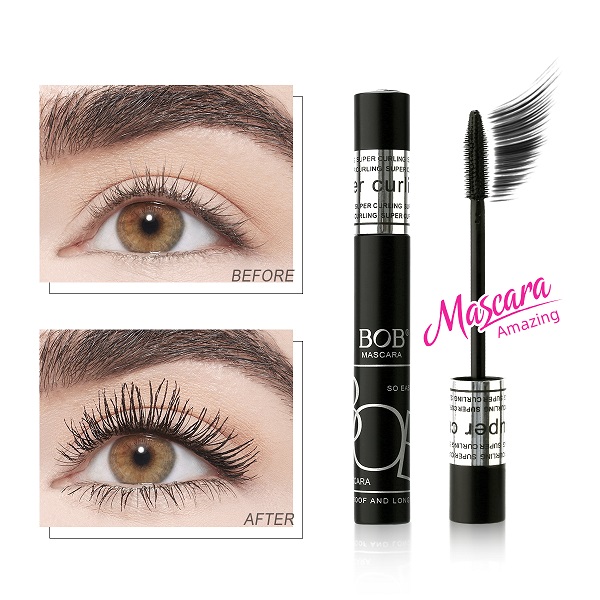
The genuine hazards in this product category are historical and specific, and none of them involve bats. In the 1930s, lash darkeners contained turpentine, lead-bearing kohl and aniline dyes; WebMD records that these left more than one woman blind. In 1933 an eyebrow and lash dye called Lash Lure, built on para-phenylenediamine, blinded more than a dozen users and killed one. That case pushed Congress to give the FDA authority over cosmetics in 1938.
The regulatory picture today needs one correction, because a lot of blog copy gets it backwards. The FDA does not review or approve most beauty products, mascara included, before they reach the market. Under the US framework, pre-market approval applies to the color additives, which is a narrower thing than approving a formula. A manufacturer carries the safety obligation for the rest of the ingredients, and that responsibility lands on the factory’s stability and microbial testing, not on a government stamp.
Why Vegan Buyers Ask This Question
People who type is mascara made out of bat poop into a search box are rarely investigating bats. They are testing whether anyone will answer honestly about what goes near their eyes, and the animal-ingredient question underneath is real. Three common mascara materials are animal-derived: beeswax, which gives the creamy structure a brush carries; lanolin, a wool wax that conditions; and guanine, the fish-scale shimmer described above. Carnauba wax and candelilla wax, by contrast, come from plants.
Cruelty-free and vegan are two separate claims that get used as one. Cruelty-free addresses testing on animals. Vegan addresses the ingredient list. A mascara can be certified against no animal testing and still contain beeswax, and a vegan formula can still be an ordinary tubing system with synthetic wax. A buyer reading the back of a tube deserves to know which of the two claims the brand actually made.
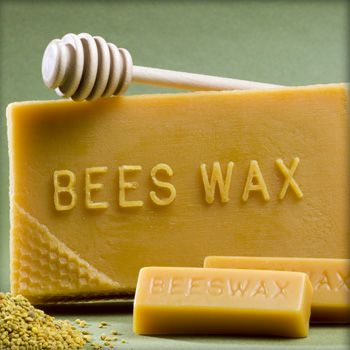
For a private label program, the claim has to survive paperwork. Substantiating vegan means supplier declarations for every wax and pigment in the bill of materials, plus a formula carrying no lanolin or beeswax. It means scheduling production so a shared line cannot compromise the batch. And it means packaging copy that never drifts beyond what the file proves. Brands that treat the claim as artwork rather than as a formulation decision are the ones that end up reprinting cartons.
None of this is a bat problem. If you are specifying an eye product for your own line, the sourcing conversation to have with a mascara manufacturer covers waxes, preservatives and color additives. It also covers what each one is documented against.
Six Mascara Myths With The Same Origin
The bat poop story is not alone. Snopes groups it with a family of mascara rumors that share one recipe: take a word from a safety data sheet, replace it with something alarming, and forward it. Here are the six that still surface, with the answer to each.
- Is mascara made out of bat poop? No, and the full explanation of the guanine error is above. This is the parent rumor, and the other five are built the same way.
- Mascara contains crushed glass. False. The lengthening effect comes from short nylon or rayon fibers suspended in the film-former. Fibers do reflect light the way glass does, and nobody puts abrasive silica in an eye formula.
- Waterproof mascara contains tar. False. Water resistance comes from hydrophobic solvents such as dodecane and from film-forming polymers. The tar association borrows from coal-tar-derived color additives, a real regulatory category with nothing to do with roofing.
- Mascara is made from aborted fetuses. False, and no such material exists in cosmetic chemistry. This variant takes its shock value from cell culture work, a pharmaceutical method rather than a makeup ingredient.
- Mascara is made from monkey eyeballs. False. The kernel here is lanolin, a wax skimmed from washed sheep’s wool. It is an animal by-product of the wool industry and it is not an eye.
- Eyeliner is made from bat poop too. Also false, for the identical reason. Eyeliner uses the same pigment, wax and film-former architecture as mascara, and the same fish-scale guanine appears in shimmer eyeliners.
What the family has in common is that every entry converts an unfamiliar real ingredient into a repulsive imaginary one. Guanine becomes guano. Fiber becomes glass. Lanolin becomes an eyeball. Once you can name the actual material, the rumor loses its grip, which is the practical reason a brand should publish the ingredient list rather than a disclaimer.
Frequently Asked Questions About Mascara Ingredients
Is mascara made out of bat poop?
No. Mascara contains no bat feces or any other animal waste. The rumor is a spelling error that turned guanine, a shimmer colorant made from fish scales, into guano, which is bat droppings. Snopes rated the claim FALSE after tracing it to an email forwarded in June 2010.
What is guanine in mascara made from?
Manufacturers produce cosmetic guanine, also called pearl essence, from fish scales. Processors clean the scales left over from filleting and isolate the silvery crystals that give fish their reflection. The industry trade body confirms that the US listing for guanine ties the color additive to a fish-scale source.
Is mascara vegan?
Sometimes, and you have to read the list. Beeswax, lanolin and fish-scale guanine are all animal-derived and all common in traditional formulas. A vegan mascara replaces them with plant waxes such as carnauba or candelilla plus synthetic shimmer. Vegan and cruelty-free are different claims, since the first covers ingredients and the second covers testing.
Does the FDA approve mascara before it is sold?
No agency approves the finished product before it reaches a shelf. US pre-market approval applies to the color additives inside the formula, not to the whole mascara. The manufacturer carries responsibility for the safety of the remaining ingredients, which is why stability and microbial testing records matter more than any certificate on a website.
How long is an opened tube of mascara safe?
Around three months after opening, then discard it. Every withdrawal pushes air and lashes into the tube, and the preservative system weakens as the formula ages. Do not thin an old mascara with water or saliva, because water dilutes the preservative and saliva introduces mouth bacteria into an eye product.
What This Means For Your Own Formula
The bat poop question is a symptom, not a problem. A reader who finds this page is testing whether a brand will name its ingredients. A buyer who asks a factory the same question is doing supplier screening through a side door. Answering it with the etymology and the actual formula is worth more than a flat denial.
Three things are worth carrying away. Guanine is fish scale, not guano, and the confusion is a naming accident that a 2010 email amplified. Mascara safety is governed by color additive approval plus the manufacturer’s own stability and microbial testing, so the factory’s documentation is the real assurance. And if an animal-derived ingredient is the concern, the list to check is beeswax, lanolin and guanine, since that is where the honest version of the question actually leads.
Formulating around those three ingredients is ordinary work for a factory that has run eye makeup lines for decades. The specifications are far easier to settle at the sampling stage than after a launch. The private label mascara customization process covers how a formula, brush and tube get agreed before the first bulk order.