
Satin lipstick is the finish that sits between matte and cream. It carries enough emollient to hold a soft sheen, and enough pigment to read as color on the lip rather than as a wet coat. That definition answers most of what people mean when they search matte versus satin lipstick. It is worth stating before any table, because the two words describe how light behaves. They do not describe how good a bullet is.
Most pages on this topic hand you a wear-time promise. Six hours here, eight hours there, no method behind any of them. A finish label cannot produce that number. What separates satin from matte is where the oil phase and the powder load sit inside the formula. Once you can see that structure, the choice stops being guesswork.
This guide covers the definition and the formulation difference, then a side-by-side table. It gives the honest pros and cons of each finish, what clinical measurement says about lips that lose water, and a prep sequence that improves wear on both. If you are building a shade range for a brand, the same structure tells you which claims your own bullet can support.
What Satin Lipstick Actually Means
Satin describes how much light the film reflects. It does not describe treatment, SPF, or comfort on its own.
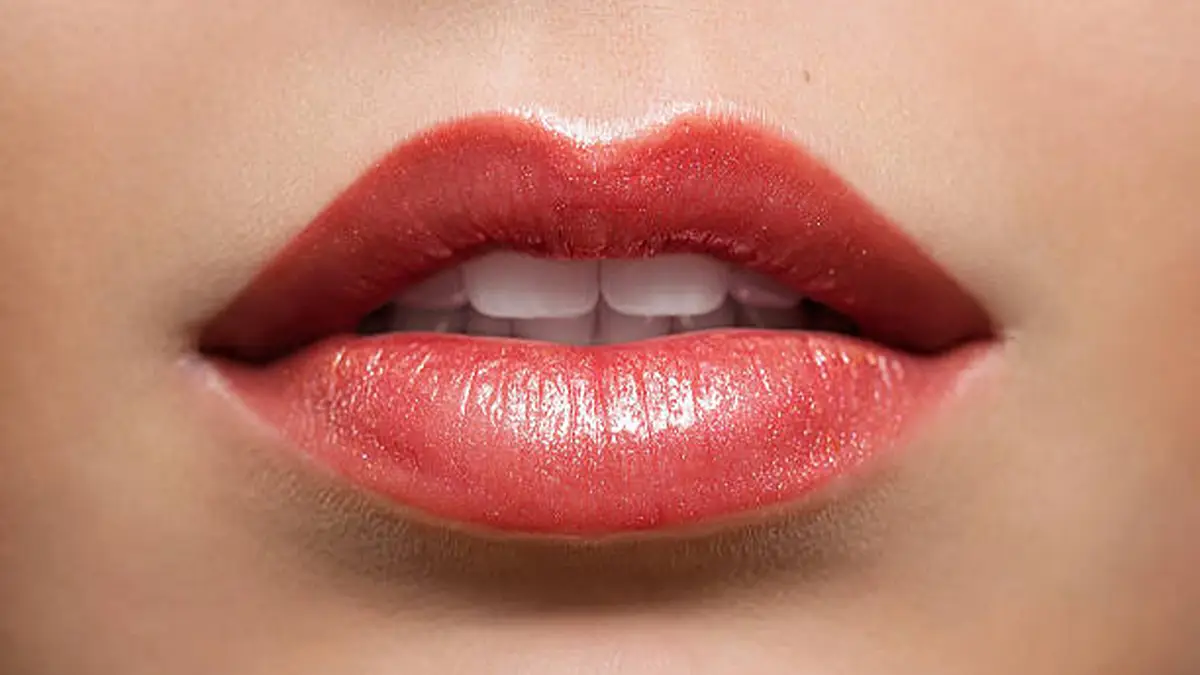
Take the four positions a bullet can hold on the reflectance scale, in order from least light returned to most: matte, satin, cream, gloss. A matte film scatters light in every direction and looks flat. A satin film returns a low, diffuse glow. Cream returns more than that, and gloss returns a sharp, mirror-like highlight.
Satin is the second rung, and it is the one brands reach for when they want color density without the dryness signal of a flat finish. The word tells you the surface behavior. It says nothing about whether the formula contains treatment ingredients, and a bullet marketed as satin is not automatically kinder to your lips than a well-prepared matte.
Three synonym traps are worth naming. Velvet usually means a matte film finished with a softer-focus effect, so treat it as matte for comparison purposes. Puro describes pigment level, not shine, and a sheer bullet can be either flat or glossy. Dewy sits on the cream-to-gloss side and is not satin. When a shade list confuses these axes, judge the finish by what the swatch reflects, not by the adjective printed next to it.
One more distinction that decides purchase behavior: shine and color depth are not opposites here. A satin film can carry the same pigment load as a matte one, because pigment and emollient are separate decisions in the pot. Shade for shade, satin reads slightly softer at the edge, which is exactly why it photographs well on camera and looks natural in daylight.
How Satin and Matte Formulas Differ
Less oil and more powder gives a flat, dense film. More oil and less powder gives a soft, reflective one.
A lipstick is a pigment dispersion held in a structured oil phase. Two levers move a formula along the reflectance scale. The first is how much oil and ester the bullet carries. The second is how much light-scattering powder sits in the film.
The scale of the oil decision is bigger than most shoppers assume. The Cosmetic Ingredient Review panel’s assessment of alkyl ethylhexanoates reports leave-on use of a single emollient ester, cetyl ethylhexanoate, at concentrations up to 52% in lipstick formulations. One ester can be over half the bullet. Formula developers spend most of their argument on exactly this axis.
Push the emollient level down and load the pigment and powder up, and the film dries tight and flat. That is a matte. Light hits it, scatters, and the color reads dense and solid. The same reduction is what makes a matte grab at every flake and fine line on the lip surface, because a low-oil film has nothing to smooth over the unevenness.
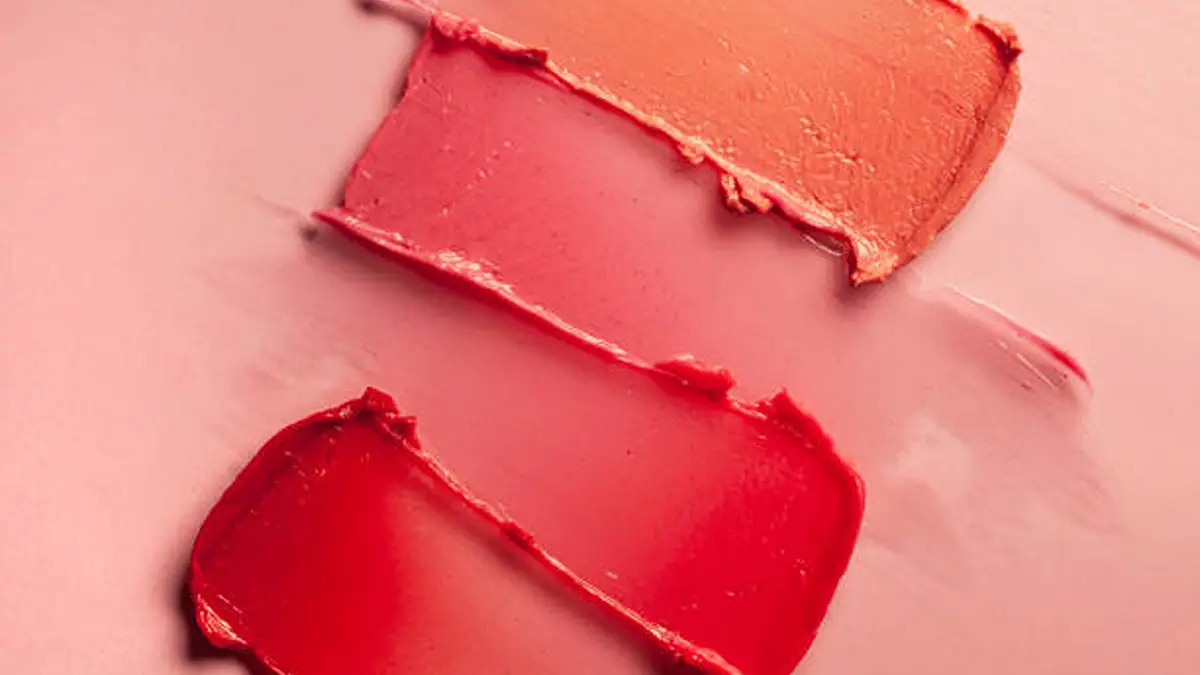
Move in the other direction and you get satin. A higher ester and oil share keeps the film flexible and leaves a low sheen, while the powder load stays light enough that the surface reflects instead of scatters. Comfort rises, edge crispness falls, and color reads a shade softer than the same pigment in a matte base.
Liquid formats add a third lever. Long-wear liquids are designed to dry a film in place, which is a different mechanism from a creamy bullet that never sets. This is why a satin liquid and a satin bullet can behave nothing alike, and why comparing two products by finish word alone breaks down. For the rest of this guide, matte and satin mean bullet formats unless stated.
Satin vs Matte Lipstick at a Glance
Choose matte when the color has to survive the day. Choose satin when the lip surface has to survive it too.
The table below reads straight down the two columns. Every row traces back to the reflectance and emollient position explained above, so it is a summary rather than a new claim.
| Attribute | Matte lipstick | Satin lipstick |
|---|---|---|
| Light reflection | Scattered, flat, no visible highlight | Low, diffuse sheen |
| Color reading | Dense and solid at one pass | Full but slightly softer at the edge |
| Emollient position | Low end of the oil range | Mid to high end of the oil range |
| Powder load | Higher, which flattens the shine | Lower, which keeps the film reflective |
| Effect on lip texture | Emphasizes flakes and vertical lines | Softens them without hiding them fully |
| Comfort over a long day | Tightens as the film sets | Stays pliable, feels lighter on the lip |
| Fade pattern | Holds edges, dulls in the center | Evens out and drifts toward the inner lip |
| Best fit | Long days, photographs, bold shapes | Daily wear, dry lips, natural looks |
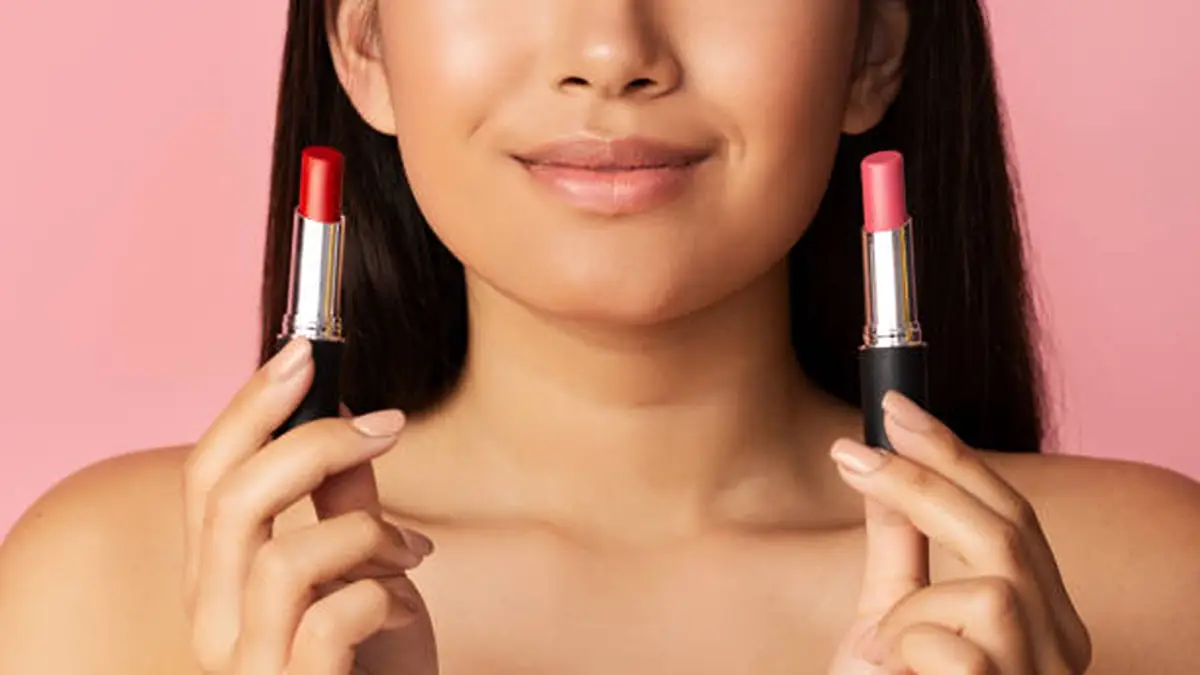
Pros and Cons of Each Finish
Both finishes trade something away. The only real question is which trade you can live with.
What Matte Does Well
- Color density in one pass. The high pigment and powder load means a single swipe covers. That matters for pale or uneven lips where a translucent film shows through.
- Edge definition. A film that sets tight does not travel past the lip line, so a sharp shape stays sharp longer than it would under a moving glossy film.
- Photographic reading. Flat reflection removes highlight hotspots, which is why a matte red looks the same in a photo and across a room.
Where Matte Falls Short
- It documents your lip surface. A low-oil film has nothing to level over dry patches, so texture that looks fine bare becomes visible under matte color.
- Comfort declines as it sets. The tightening sensation people describe is the film losing flexibility, not the color drying out.
- Removal takes work. A set film needs an oil-based cleanser to lift. Dragging it off dry is how irritation and pigmentation start; the mechanics are covered in our lip pigmentation mistakes guide.
What Satin Does Well
- Comfort without giving up coverage. Satin is the finish that lets you wear full color through a working day without feeling it.
- A younger-looking lip. Low diffuse light returns softens the look of vertical lines, the same reason cream formats are preferred over flat ones on textured surfaces.
- Forgiving application. A more pliable film hides uneven application, so a no-mirror application still reads tidy.
Where Satin Falls Short
- Less shape control. The same flexibility that brings comfort lets color creep toward the lip line over hours.
- Softer color impact. Against an identical pigment level in a matte base, satin reads one step less intense, so a bold statement shade may need a liner to hold its edge.
- More visible transfer. A film that never sets hard moves onto cups and masks sooner.
Which Finish Suits Dry or Aging Lips
If your lips flake or feel tight, finish choice is a secondary decision. The barrier comes first.
Lip skin behaves differently from the skin anywhere else on your face, and the consequences show up directly in how a flat film looks. A 2022 study of 109 patients with chronic cheilitis, an inflammation of the vermilion, found flaking in 90.8% of the cohort and chapping in 74.3%. Measured water loss through the lip surface ran higher, and surface moisture lower, than in age-matched controls.
The same study reported the associated factors, which is the useful part if you wear color daily. Allergic skin conditions raised the odds 4.5-fold, working between indoor and outdoor conditions raised them 2.1-fold, and anemia 3.3-fold. A person whose lips sit in that risk profile is not choosing between two pretty finishes. They are choosing which film tolerates a compromised surface.
Read that against the formula mechanics. A matte film is low in emollient and high in powder. It grips the raised edges of a flaking surface, so texture becomes the first thing people see. A satin film keeps more oil at the surface, so it bridges the unevenness instead of outlining it. On dry or lined lips, satin is the better call, and it is not close.
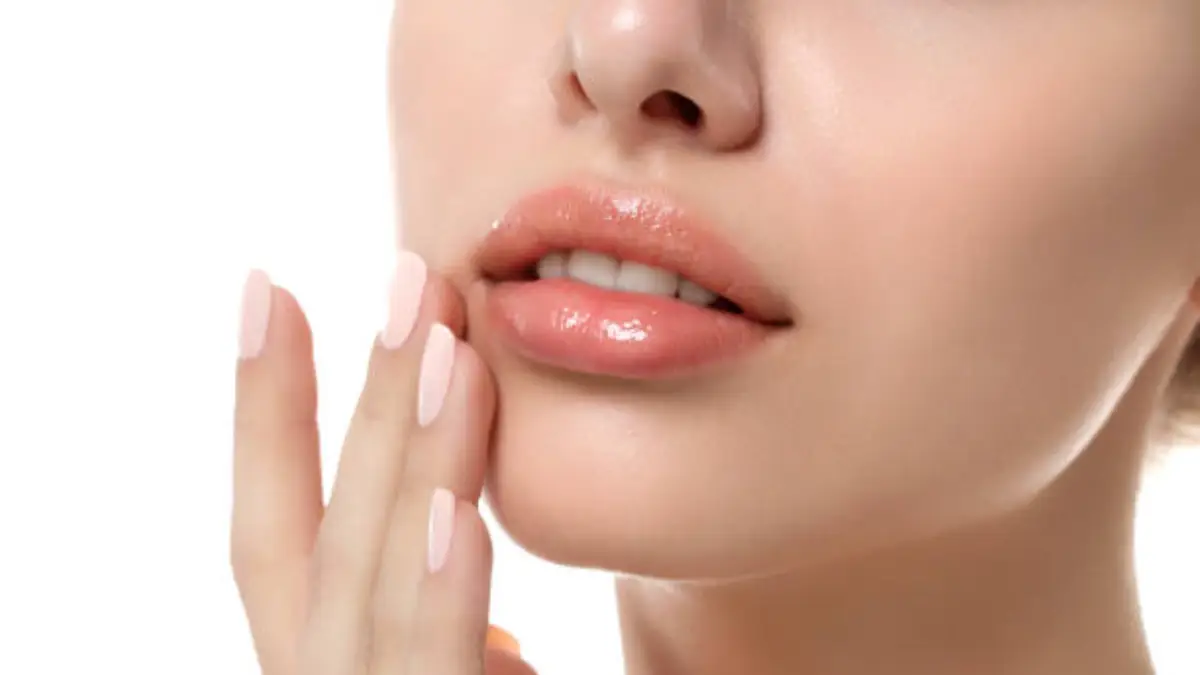
Two honest limits on that evidence. The cohort is a clinical population, not the average shopper at a counter. Read it as a picture of what lip barrier failure looks like, not as a diagnosis. And no finish repairs a barrier. Balm, hydration, and gentle removal do the work; the bullet only decides how visible the result looks.
For lips that have lost fullness with age, the same optics apply in a milder way. Vertical lines and a flatter vermilion break up a matte film into visible ridges. Satin’s diffuse highlight fills those ridges optically. Want matte intensity without that effect? Run a liner one shade deeper around the perimeter and keep satin through the center. The shape holds and the surface stays soft.
How to Get More Wear From Each Finish
Prep, thin layers, and a blot beat any hour count printed on a tube.
Wear time is a property of the film system, the shade’s pigment load, how thickly you apply, what you eat, and the condition of the lip surface. Finish is one variable in that list, which is exactly why the hour claims scattered across this topic are unreliable. Nobody publishing a number has shown a method, and a formula that holds on one person will not hold identically on another.
What you can control is the sequence. Run it the same way for either finish and compare your own results instead of trusting a claim.
- Soften, do not scrub. A wet towel or a balm left on a few minutes lifts loose flakes. Aggressive exfoliation on already-compromised lip skin makes the surface worse within a day.
- Balm, then blot. Let the balm absorb for a minute, then press a tissue over the lips. Residual oil on the surface is what stops a matte film from binding, and it is also what makes satin slide out of shape.
- Line the perimeter. A lip liner gives a satin bullet a wall to stop against and gives a matte one a frame that survives the meal that erases the center.
- Apply thin, set, repeat. Two thin passes hold better than one thick one. Thick coats crack at the center of the lip where the surface moves most.
- Press through tissue for satin. A light dusting of powder through a single ply of tissue takes the mobility out of the top layer without killing the sheen.
- Refresh the center only. Most fade happens where the lips meet. Redo that band instead of repainting the whole mouth, which is how a matte application ends up caked.
- Remove with an oil-based cleanser. Dissolve the film rather than wiping it. See the pigmentation guide linked above for what skipping this costs over months.
Which Lipstick Finish Should You Pick
Satin is the default for most people, and matte is the tool you reach for on purpose.
Here is the short version, without the hedging most comparison pages hide behind.
- Pick satin if your lips dry out, if you wear color through a full working day, or if you want one bullet that reads well in daylight and indoors.
- Pick matte if you need a hard edge, a photographed result, or the densest possible color pass, and you are willing to prep first.
- Own both for the cases that actually conflict: a matte liner for shape plus a satin center for comfort gives you definition without the tight feeling.
- Judge a new bullet by the end of the day, not by the mirror test at the counter. Where the color has faded, and whether the edges moved, tells you everything a finish label will not.
For a brand developer, the same logic sets your range. A matte launch asks for a real prep story and a removal instruction on the carton. A satin launch asks you to prove color density, because shoppers assume softness means sheerness and you have to disprove it on the swatch. Ask any supplier which test backs a long-wear claim before you print the number on your own tube. Shade range and finish decisions sit next to the color questions in our guide to choosing lipstick color by skin tone. For the flat versus wet comparison, read matte vs glossy lipstick.
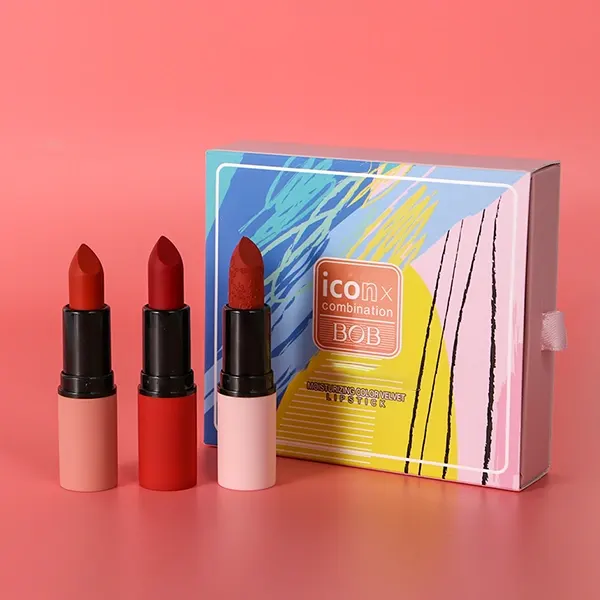
Common Questions About Lipstick Finishes
Is satin lipstick better than matte?
For most wearers, yes. Satin keeps more emollient in the film, so it stays comfortable and reads softer on real lip texture. Matte wins on one axis only: maximum color density and a hard edge that does not move. Better depends on whether the day demands shape or comfort.
What is a satin lipstick finish?
A low, diffuse sheen. The film returns some light instead of scattering all of it, so color looks full but not wet. On the reflectance scale the order is matte, then satin, then cream, then gloss. Satin sits second, which is why it is called the middle finish.
Which lipstick lasts longer, matte or satin?
Matte usually holds its shape longer because a low-oil, high-powder film sets tight and resists moving. Published hour counts for either finish are not worth trusting, since wear depends on the film system, application thickness, eating, and lip condition. Judge your own lips at the end of a day.
Is satin lipstick shiny?
Slightly, and that is the point. Satin gives a soft glow rather than a wet highlight. If you want visible shine, go to a cream or a gloss. If you want color that looks solid but not flat, satin is the finish that delivers it in daylight and indoors.
What finish is best for dry or older lips?
Satin. Clinical work on inflamed lip skin shows flaking and elevated water loss as the dominant features, and a low-emollient matte film outlines that texture instead of smoothing it. Prep with balm, blot before applying, then choose satin. Fix the barrier first; the finish only affects how visible the problem looks.
Can you layer gloss over matte or satin?
Over either, yes, and it changes what people notice. Gloss on a matte base adds reflection while the dense color underneath still reads through. Gloss on satin pushes the look toward a cream finish and speeds up transfer. Keep the gloss to the center of the lip if you still want the edge to hold.