

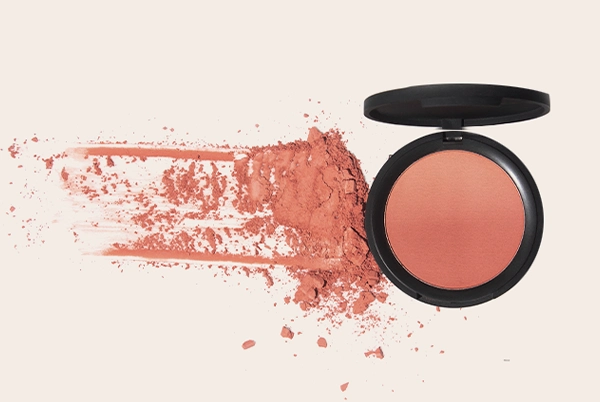
Pressed powder blush manufacturing involves several controlled steps, from raw material preparation and pigment blending to pressing, inspection, and final packaging. In our production process, we carefully manage each stage to maintain consistent texture, color, and product performance.
This guide takes you through the key steps of pressed blush manufacturing, including formulation considerations, pressing parameters, and quality control methods we use to achieve reliable results.
What Is Pressed Powder Blush Manufacturing?
This process takes a pigmented powder, adds just enough binder and oil, and compresses it under high pressure into a solid, stable cake for a compact.
From Powder Formula to Solid Cake
The entire job is to convert a pigmented powder formula into a compacted, mechanically stable blush pan. It starts with a mix of base powders like talc and mica, color pigments, and various dry binders. A small, precisely controlled oil phase is then introduced to help bind all the powders together. The goal is a cohesive cake that resists crumbling in the pan but releases color smoothly to a brush.
Core Stages of Production
The production process follows a clear sequence. Raw materials are first milled and blended to ensure a uniform color and smooth texture. The oil phase is then sprayed onto the powder blend, creating a mixture with a cohesive, almost dough-like consistency. This conditioned powder is dosed into metal pans and compressed under high pressure to form the solid blush. Finished pans undergo quality control for hardness and color before being assembled into final compacts.
Step 1 Raw Material Preparation
This step plays an important role in determining the final product quality. Getting the powders, pigments, and binders right from the start dictates the final blush’s texture, color payoff, and whether it shatters in the compact.
Powders
The bulk of any blush formula is its powder base. These materials, like talc, mica, or kaolin, provide the structure, determine the texture, and control how the product glides onto the skin. Before anything gets mixed, these powders go through strict quality checks. The focus isn’t just on purity, but on the physical properties that directly impact performance.
- Particle Size & Shape: These dictate the skin-feel. Inconsistent or large particles create a gritty, cheap-feeling product.
- Moisture Content: Too much moisture leads to clumping and pressing problems. Too little can make the powder dusty and difficult to bind.
The actual preparation is straightforward but requires precision. We verify every batch is cosmetic-grade, sieve it to break up any clumps, and then weigh each component exactly as the formula demands.
Пигменты
Pigments are what give blush its color. This can range from iron oxides for earthy, natural tones to vibrant organic dyes and pearlescent micas that add shimmer. The biggest challenge with pigments isn’t just the color itself, but ensuring that color is uniform. Pigment powders tend to clump together in what are called agglomerates.
If you press a blush with these clumps still intact, the result is a streaky, unprofessional product. To prevent this, we pre-grind or micronize the pigments to break them up into fine, consistent particles. Only then are they added to the powder base, usually a little at a time, and blended until the batch is one completely homogeneous shade.
Переплеты
Binders are the glue. For a pressed powder blush, they are absolutely essential for holding the powder cake together in the pan. Without the right binder system, the product would be a crumbly mess. We use both dry binders like zinc stearate, which get mixed in with the powders, and liquid oil-based binders, which are typically sprayed evenly over the powder blend to ensure uniform coating.
The amount of binder used is a critical control point. Insufficient binder may reduce cake strength and increase the risk of cracking, while excessive binder can contribute to surface hardening or reduced powder pickup. Manufacturers adjust the binder system according to the formula requirements and desired application performance.
Launch Your Custom Makeup Line, Faster.
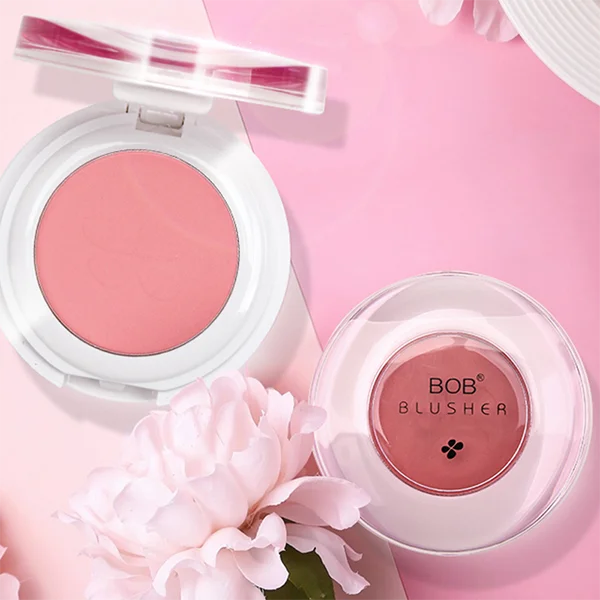
Step 2 Pigment Blending and Dispersion
This step uses mechanical force to break down pigment clumps and mix them evenly, turning raw powders into a consistent, usable color system for blush.
Mechanical Processes for Deagglomeration and Homogenization
The main goal here is to break down pigment agglomerates—clumps of raw color—into fine, individual particles. For dry powder blush, this involves high-energy milling. Equipment like jet mills, pin mills, or hammer mills uses impact and shear forces to pulverize color pigments and fillers to a specific particle size. This process is crucial for achieving a smooth feel and preventing a gritty texture.
Once the primary color pigments are finely ground, they are blended with the base powders. Manufacturers use equipment like ribbon blenders or high-speed ploughshare mixers to create a uniform mixture. The process is staged. High-energy milling is for the colorants, but more delicate ingredients like mica-based pearls are added later in a gentler blending stage. Over-milling these effect pigments would fracture their plate-like structure and dull the shimmer.
For blush formats that start as a wet slurry, like baked or cream-to-powder types, the process is different. Pigments are dispersed into a liquid binder using high-speed dispersers or media mills. These machines create a strong vortex and use intense shear to wet out the pigments and break them down. The resulting pigment concentrate is then mixed into the bulk formula.
Formulation and Quality Control for Consistent Shade
Formulation choices directly impact how easily and consistently pigments disperse. Using surface-treated pigments is a common strategy. Coating pigments with materials like silicones or amino acids lowers their surface energy, making them easier to wet with oil binders and improving their distribution. This reduces the mechanical energy needed and helps prevent re-clumping, leading to a more stable and uniform color.
Quality control is rigorous at this stage to guarantee consistent shade from batch to batch. The most critical checks include:
- Color Measurement: A spectrophotometer measures the pressed powder’s color, providing L*a*b* data. This data is compared against a master standard, and any deviation must be within a tight tolerance (Delta E) to pass.
- Visual Inspection: Technicians inspect pressed pans under controlled lighting, looking for any visible specks, streaks, or mottling that indicate poor pigment dispersion.
- Application Tests: Samples are applied to a standardized substrate or skin to check for payoff consistency, evenness, and blendability. Any patchiness or streaking points to a problem in the blending or dispersion process.
If a batch fails these checks, the process is halted. Operators might adjust blending time, milling energy, or binder levels before the product can move on to the pressing stage. This constant monitoring ensures the final blush color is exactly what the brand and its customers expect.
Step 3 Binder Addition
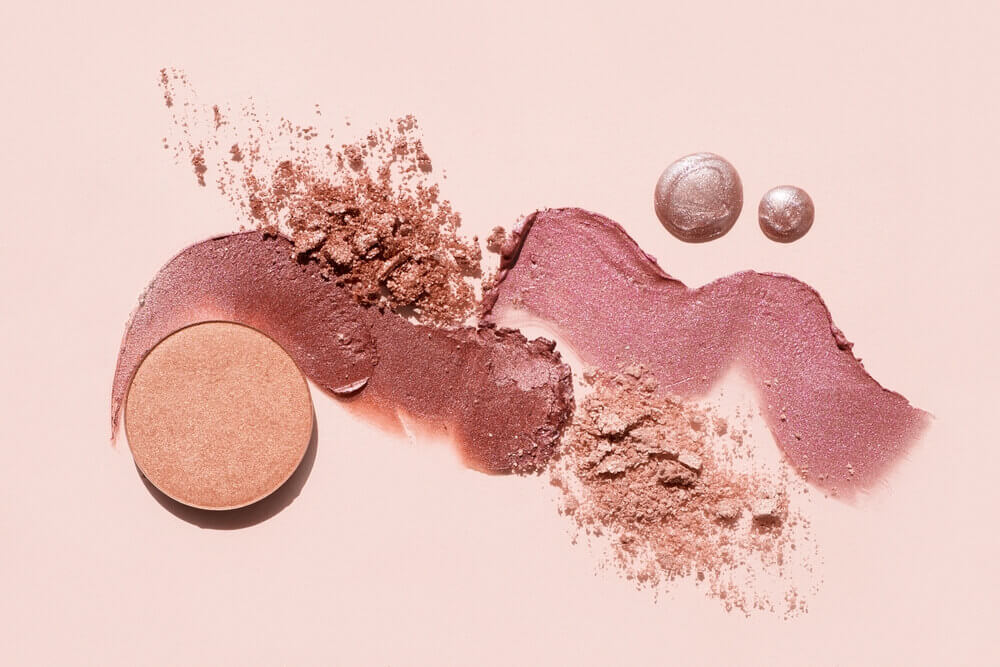
This step gives loose powder the cohesion needed for pressing. Getting the binder amount right dictates the blush’s structural integrity and how it performs on skin.
Binder Application and Process Control
Most blush formulas use a hybrid system. They start with dry binders like zinc stearate mixed into the powder base. A liquid binder phase, usually an alcohol-water or oil-based solution, is then added to the powder in a mixer.
The liquid is introduced slowly to create a uniform, cohesive mixture with a consistency like damp sand, which is ideal for pressing. The two most important process controls are the binder addition rate and the total quantity. An incorrect amount can cause lumping or a final product that just crumbles.
Impact on Final Product Quality
The binder system is responsible for the blush pan’s physical integrity, keeping it from cracking or crumbling during transport and use. It also directly influences application performance by controlling how much product a brush picks up, how well it adheres to skin, and the amount of fallout.
Getting the binder level wrong ruins the product. Too little results in a dusty mess. Too much creates a hard, unusable surface known as “hard pan.” Finished product quality control, including drop tests and hardness measurements, directly validates that this step was done correctly.
Step 4 Powder Pressing Process
This stage turns loose powder into a solid cake. The right pressure and binder level are critical to prevent cracking and ensure good color payoff on a brush.
| Stage / Parameter | Description |
|---|---|
| Pan Filling | Dosing the prepared blush powder into metal pans with precise weight control. |
| Mechanical Compaction | Applying controlled pressure with a mechanical press to form a solid cake. |
| Surface Finishing | Using ribbons or textured tools to create a smooth surface or imprint patterns. |
| Press Settings | Pressure and dwell time are adjusted for each formula to prevent cracking or glazing. |
| Binder Level | The amount of binder ensures the cake holds together but remains easy to pick up with a brush. |
| Structural Integrity Checks | Post-press drop tests confirm the blush can withstand typical handling. |
Core Stages of the Pressing Process
The pressing process itself is straightforward and has three main parts. It starts with filling the pans and ends with a finished, patterned surface.
- Pan Filling: We dose the prepared blush powder into metal pans. Weight control here has to be exact to get consistent results.
- Mechanical Compaction: A mechanical press applies controlled pressure to the filled pan, forming the loose powder into a solid cake.
- Surface Finishing: Special ribbons or textured tools are used to give the surface a smooth finish or to imprint logos and other patterns directly onto the blush.
Key Parameters and Quality Control
Getting the press right depends on a few key variables. If these are off, you end up with a product that either breaks in the compact or is too hard to use.
- Press Settings: We adjust the pressure and the amount of time that pressure is applied (dwell time) for every single formula. This prevents the blush from cracking or developing a hard, glazed surface.
- Binder Level: The amount of binder in the formula is critical. It ensures the cake holds together but is still soft enough to release powder onto a brush.
- Structural Integrity Checks: After pressing, we run drop tests. This confirms the finished blush can survive being dropped or knocked around during normal use without shattering.
Step 5 Product Inspection and Quality Control
Final inspection is an essential part of cosmetic quality control in pressed blush manufacturing. It is a structured process used to verify product appearance, performance, documentation, and compliance with approved quality standards before release.
Once the blush is pressed into pans, quality control takes over. This isn’t about a quick glance; it’s a structured verification to make sure the final product matches the approved standard in every way—from color and texture to safety and packaging. This is the final gate before any product is allowed to ship.
Core Quality Control Checks for Finished Blush
Every batch of blush undergoes a battery of tests to confirm it meets all performance, aesthetic, and safety standards.
- Visual and Sensory Inspection: We compare each batch against the master color standard under controlled lighting. Operators inspect the surface for any defects like cracks, chips, or pinholes. They also test the product by hand to assess texture, how much pigment a brush picks up, and how well it blends.
- Physical and Mechanical Testing: Drop tests are crucial. We drop a set number of units from a standard height to ensure the pressed cake can withstand typical handling. We also spot-check the fill weight to confirm it’s within tolerance and verify the blush pan fits perfectly in its compact without rattling.
- Microbiological and Stability Screening: Samples from every batch go to the lab for microbial screening to ensure they are free from contamination. We also run stability tests under accelerated conditions (like heat and humidity) to confirm the product’s shelf life and make sure the color, texture, and odor won’t change over time.
- Packaging and Label Verification: The final unit gets a thorough inspection. We check the compacts for hinge function, scratches, or other defects. We also verify every detail on the label—ingredient list, batch code, net weight, and shade name—is 100% accurate and readable.
Systems, Documentation, and Batch Release Protocols
Consistent quality relies on systems, not just individual checks. Proper documentation and strict release procedures provide traceability and ensure nothing falls through the cracks.
- Batch Record Management: Every single production run has a comprehensive batch record. This file documents all raw material lots used, key processing parameters like press pressure, and all QC test results. If there’s ever an issue, we can trace it back to its source.
- Good Manufacturing Practice (GMP) Compliance: All our QC procedures follow cosmetic GMP standards, like ISO 22716. This covers everything from the cleanliness of the facility and calibration of equipment to personnel training, creating a controlled environment for production.
- Non-Conformance and Release Procedures: If a batch fails any QC test, it’s immediately flagged and quarantined. A formal process determines the root cause. No product is ever released for shipment without a final quality sign-off confirming it passed all required tests.
- Retention Samples and Complaint Handling: We keep labeled retention samples from every single batch for at least a year past its shelf life. If a customer complaint comes in, we pull the corresponding sample to investigate and verify the product’s quality.
Common Pressed Blush Manufacturing Defects
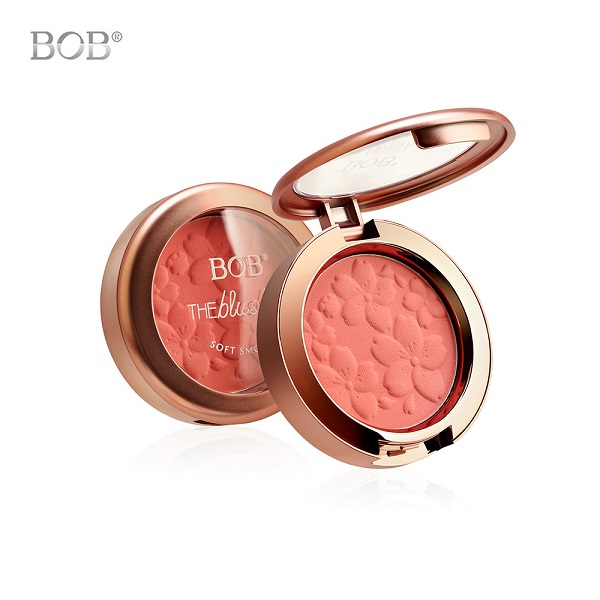
Pressed blush defects are either structural, like cracking, or aesthetic, like poor color payoff. Most stem from incorrect binder levels, flawed blending, or bad pressing parameters.
Mechanical and Structural Failures
Cracking and Lamination: This is when you see visible fractures or entire layers separating within the blush pan. The main culprits are usually incorrect binder levels, trapped air that wasn’t removed during pressing, or simply applying way too much force with the press machinery.
Crumbling and Dusting: A blush that lacks cohesion will crumble in the pan and produce excessive dust or fallout. This is a clear sign of insufficient pressing force or not enough binder in the formula to hold the powder particles together effectively.
Poor Pan Adhesion: Sometimes the entire blush cake detaches from its metal pan. This happens when the formula’s materials are incompatible with the pan itself, or if the pan’s surface wasn’t properly prepared and cleaned before filling.
Warping and Doming: Instead of a flat surface, the blush becomes concave or convex. This distortion is caused by non-uniform pressure during the pressing stage, leading to a cake with inconsistent density that can’t hold a flat shape.
Flaws in Appearance and Application
Poor Payoff and Hard Pan: This is when the blush surface becomes overly hard or glazed, preventing a brush from picking up any color. It’s often a result of over-pressing the powder or having oils from the formula migrate to the surface and seal it.
Color Non-Uniformity: Streaks, spots, or inconsistent marbling are signs of a bad mix. This flaw comes from poor pigment blending during the powder preparation phase, where color isn’t distributed evenly throughout the base.
Surface Blemishes: Defects like pinholes, a rough texture, or “picking” marks (where powder sticks to the press) point to process issues. Trapped air causes the pinholes, while contaminants or sticky formulas can cause the other surface imperfections.
Contamination and Spoilage: Seeing foreign particles like tiny specks or fibers is a GMP failure. Another issue is spoilage, where the color shifts over time. This happens when unstable pigments are used or when oils in the formula oxidize and change the blush’s shade.
Часто задаваемые вопросы
What is the blush manufacturing process?
The blush manufacturing process is a structured cosmetic production workflow that converts pigments and base materials into finished blush products in powder, cream, putty, and liquid forms.
How do factories prevent pressed blush from cracking during delivery?
Factories prevent pressed blush from cracking during transport by controlling the powder formulation, binding system, pressing process, drying, component design, and protective packaging. Each stage is engineered to produce a compact that is strong enough to survive vibration and shocks while remaining soft and blendable.
What is hard-panning in blush and how do manufacturers stop it?
Hard-panning is the formation of a hard, shiny, low-payoff surface layer on a pressed blush pan. It is caused mainly by oils and moisture that compact or partially dissolve the top layer, reducing powder pick-up. Manufacturers stop it through formulation, binder system design, and controlled pressing parameters.
What machinery mixes powder cosmetics with liquid binders?
Powder blush and other pressed powder cosmetics are mixed with liquid binders using specialized powder–liquid mixing machinery. This equipment is designed to wet, disperse, and homogenize pigments and fillers without destroying their particle structure.
How do you guarantee that raw talc used in blush is asbestos-free?
Ensuring raw talc is asbestos-free requires a combination of geological sourcing control, supplier qualification, validated analytical methods like Transmission Electron Microscopy (TEM), and ongoing quality oversight throughout the supply chain.
What is the average production timeline for custom private label blushes?
The average production timeline for custom private label blushes typically ranges from 8 to 16 weeks from concept to finished product. Fully customized projects involving new formulas and unique packaging can extend to 16–24 weeks.
Заключительные мысли
Consistent pressed blush quality depends on careful control of every manufacturing stage, from pigment preparation and blending to pressing and final inspection. As an experienced OEM/ODM cosmetic manufacturer, we help brands develop reliable blush products with controlled production processes and flexible customization options.
Request a sample to evaluate texture, color performance, and product quality, or contact our team to discuss your formula, packaging, and private label blush manufacturing requirements.

 Russian
  English
  Arabic
  Dutch
Dutch  French
  Portuguese
  Spanish