

Analyzing Cushion Foundation vs Liquid Foundation Manufacturing is critical to avoid major impacts on your cost of goods sold. Choosing the wrong format introduces significant operational complexity, slower line speeds, and higher component costs, directly eroding product margins before the first unit is even shipped.
This analysis directly compares the two production models, breaking down the costs of multi-part compact assembly versus high-speed bottling lines. We evaluate key differences in formula viscosity, microbiological risk, and throughput metrics to provide a clear operational framework for your next product launch.
Cushion Foundation vs Liquid Foundation Manufacturing Overview
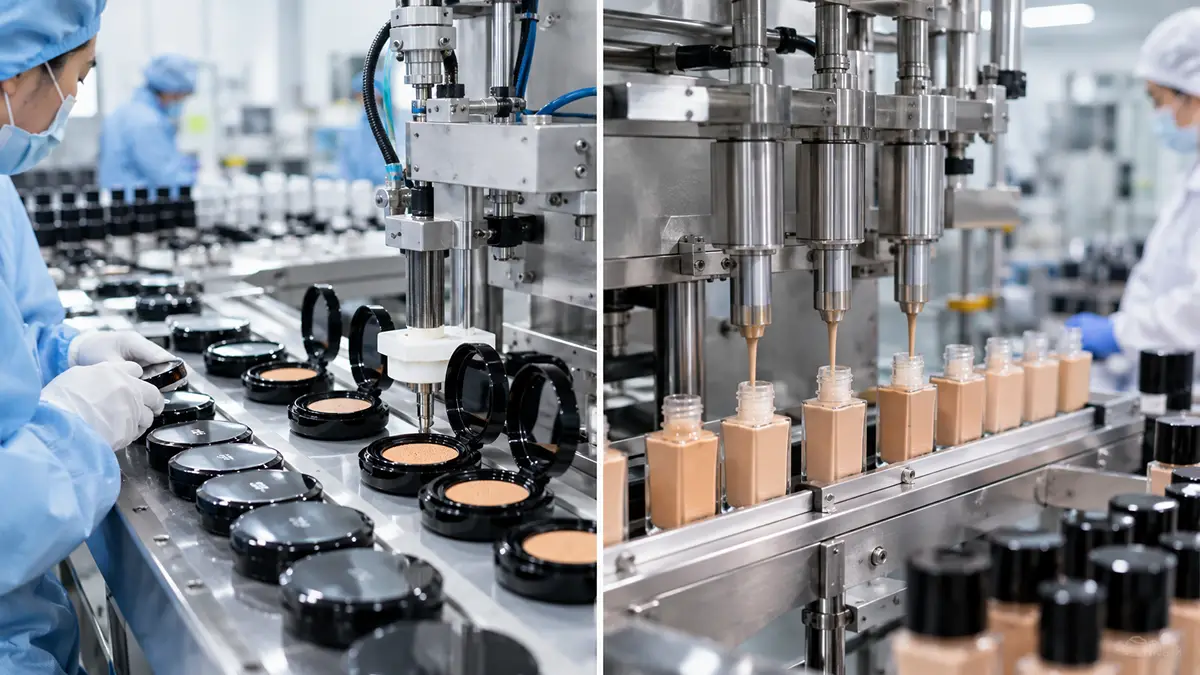
Cushion foundation production is a complex assembly process. Liquid foundation uses a simpler, high-speed bottling line, creating key differences in cost, formulation, and quality control.
Process Flow and Mechanical Assembly
Manufacturing a cushion foundation is fundamentally an assembly operation. The process involves piecing together multiple distinct components: the outer compact, an inner reservoir, the porous sponge, and an applicator puff. This isn’t just a simple fill. The line requires precise machinery to insert the sponge correctly and a highly controlled filling technique to saturate it evenly without any overflow.
Liquid foundation manufacturing, on the other hand, is a much more linear and high-throughput process. The entire focus is on filling a single container, like a bottle or a tube, and then capping it or applying a pump. The operational complexity for cushions is significantly higher due to the multiple assembly stages and inspection points, compared to the straightforward fill-and-cap line used for liquids.
Formulation and Quality Control Implications
The delivery system directly dictates the product’s formula. Cushion formulas must have a specific, often lower, fluid viscosity. This ensures the liquid can properly absorb into the sponge and release onto the puff when pressed. Liquid foundation rheology is engineered for a different purpose: pumpability from a bottle and the prevention of pigment settling over its shelf life.
There’s also a major difference in microbiological risk. The repeated contact of the applicator puff with the sponge in a cushion compact creates a prime environment for bacterial growth. This demands a more robust preservative system compared to the relatively sealed environment of a foundation bottle with a pump. Consequently, quality control for cushions focuses on evaporation rates, the integrity of the compact’s seal, and how the formula interacts with the sponge over time. QC for liquid foundation prioritizes pigment stability, fill accuracy, and the long-term mechanical function of its pump or dropper.
Formula Requirements for Each Product Type
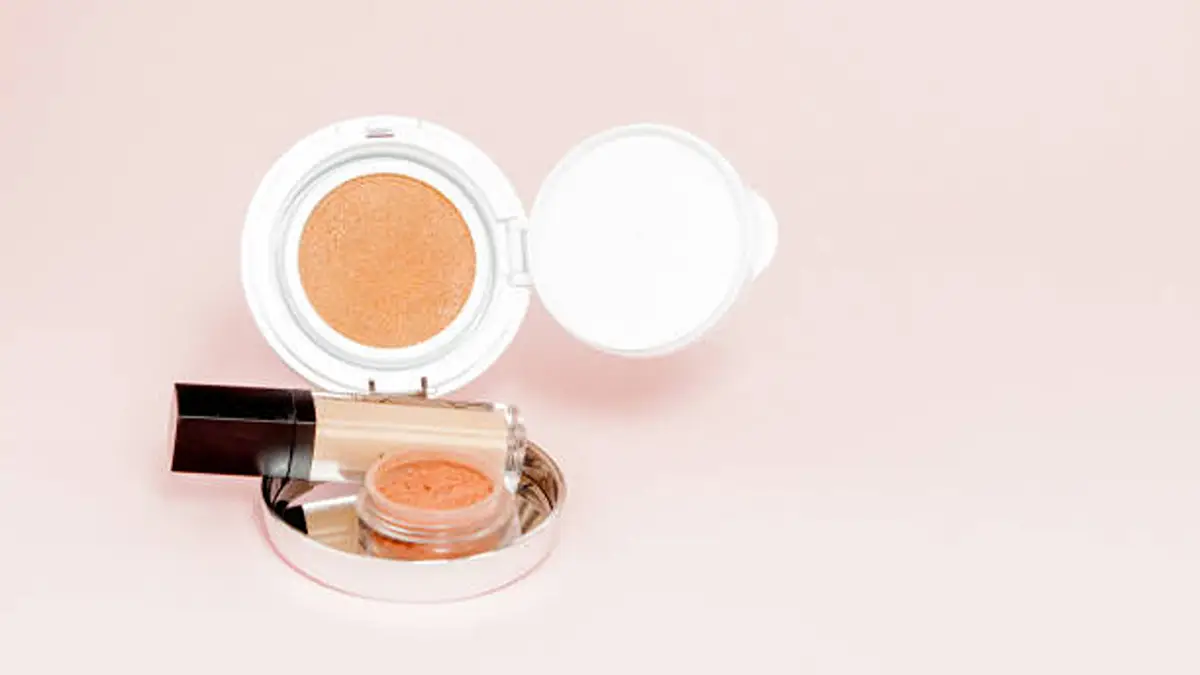
Cushion formulas are engineered for sponge saturation and release, prioritizing low viscosity and microbial safety. Liquid formulas offer broader freedom in texture, coverage, and ingredients.
Cushion Foundation Formulas
The entire formula for a cushion foundation is dictated by its delivery system: the sponge. It must have low-to-medium viscosity, fluid enough to completely saturate the porous material but not so thin that it leaks during transport or over-dispenses when pressed. This requires a specific thixotropic rheology—the formula thins when the puff applies pressure for easy pickup, but recovers its structure at rest to prevent dripping inside the compact.
Many cushion formulas include humectants and antioxidants to support a makeup-skincare hybrid positioning. But the real technical constraints come from the delivery system, not the actives—the formula must maintain rheological stability in contact with polyurethane foam and resist microbial load in an open, high-contact package. First, the preservation strategy must account for repeated puff-to-skin-to-sponge contact—typically requiring a broad-spectrum preservative system combined with the compact’s sealed architecture to limit microbial ingress between uses. Second, the chemical base must be compatible with the polyurethane foam cushion, ensuring it doesn’t cause the material to swell, degrade, or break down over time.
Liquid Foundation Formulas
Liquid foundations offer formulators much more freedom. Since the product is dispensed directly from a bottle or tube, viscosity can range from watery serums to thick creams. There are no foam compatibility issues, so formulators can use a wider variety of oils, silicones, and volatile solvents to achieve specific performance targets. This flexibility allows for a full spectrum of finishes and coverage levels, including high-opacity, full-matte, and long-wearing waterproof formulas that would be impossible to deliver through a cushion.
The choice of emulsion system (W/O, O/W, S/W) is driven purely by performance goals like water resistance or skin feel, not by the mechanics of sponge delivery. The preservation challenge is also different. Instead of defending against an open, high-contact system, the focus is on shelf stability and preventing consumer back-contamination in a relatively closed package like a pump bottle, which is a more straightforward problem to solve.
Launch Your Custom Foundation Line Faster
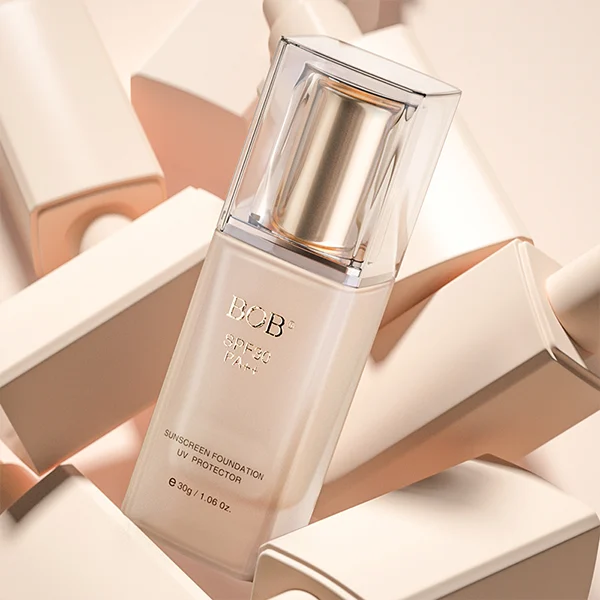
Production Process Differences
Liquid foundation uses a standard bottling line for direct filling. Cushion foundation involves a more complex assembly to saturate a sponge, making it a slower, multi-stage process.
Liquid Foundation Filling
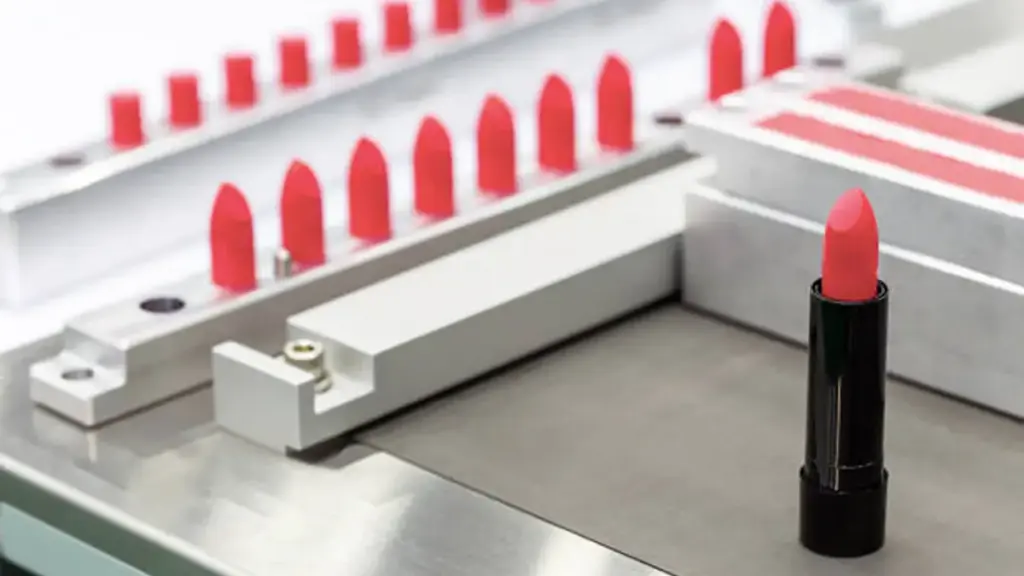
This process uses a standard bottling or tube-filling line where the bulk foundation is dispensed directly into its final container. The key steps are automated dosing with piston or gear pumps, followed by capping or sealing. In-line quality control checks for fill volume and weight.
The entire assembly is much simpler because it involves fewer components—usually just the bottle and a pump or cap. This setup allows for much higher production speeds than cushion manufacturing. For a detailed walkthrough of each step, see our guide on the liquid foundation manufacturing process.
Cushion Sponge Filling
This is a far more complex assembly process with multiple components like the compact, inner tray, sponge, and seals. The core of the process is impregnating the sponge with foundation. This step requires precise dosing and an equilibration period to let the liquid saturate the sponge evenly.
Quality control is also more involved. The main checks are for saturation uniformity, leakage prevention, and the integrity of the inner seal to stop the product from drying out.
Packaging and Component Requirements
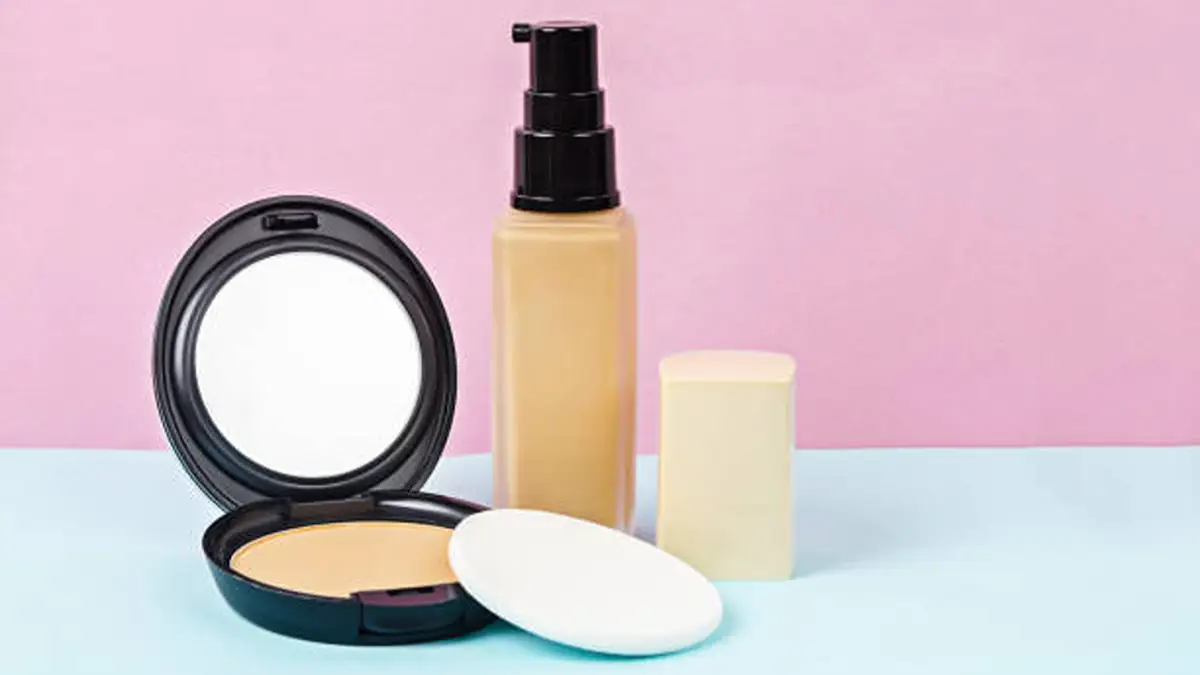
Bottle and pump systems focus on controlled dosing and sealing a single container. Cushion compacts are complex, multi-part systems built for portability and sponge-based delivery.
Bottles and Pumps
Bottles with pumps are the standard for liquid or low-viscosity formulas. The main goals are providing a controlled dose with each pump and minimizing contamination from air or fingers. The entire design process hinges on formula compatibility—every material, from the bottle itself to the pump engine and internal seals, must work with the foundation without degrading.
Selecting the right pump isn’t just about looks. It’s a technical choice based on the formula’s viscosity, the target dosage per stroke, how well it prevents air exposure, and its leak resistance. The bottle itself is engineered for chemical resistance against the formula, impact strength during shipping, and often includes UV protection for light-sensitive ingredients.
On the production line, this packaging adds specific steps. We have to manage pump insertion, control the application torque, verify fill-level accuracy, and run tests to ensure the final closure is secure.
Cushion Compacts and Refills
Cushion compacts are built for a completely different use case. They are engineered for low-viscosity liquid or hybrid formulas, housing them in a system with a reservoir, a saturated sponge, and an applicator puff. The design priorities are all about portability, hygienic dispensing, and allowing the user to pick up a controlled amount of product from the sponge.
These compacts are much more sensitive to mechanical details than a simple bottle. Seal integrity is critical to prevent evaporation. The sponge’s compression, the consistency of its saturation, and how it holds the formula are all key engineering challenges. Many of these systems are also refillable, which demands precise dimensional matching between the outer case and the replaceable component.
Key quality checks on the manufacturing line are much more granular for cushions:
- Case structure and component fit
- Inner lid height and available puff space
- The feel and security of the closure mechanism
Manufacturing Costs Compared
Cushion foundations cost more to manufacture, not because of the formula, but due to complex multi-part packaging and labor-intensive assembly. Bottles are just simpler and cheaper to fill.
Formula Costs
On a per-kilogram basis, the base formulas for cushion and liquid foundations are often built from similar emulsion systems. Where cushion formulas do cost more, it comes from rheology modifiers needed for sponge-compatible thixotropy and the additional microbiological challenge testing required for an open-system package—not from the format itself.
But the final formula cost per unit often evens out. A typical cushion compact holds about 15 grams of product, while a liquid foundation bottle holds around 30 mL. Because you’re putting less liquid into the cushion, the total formula cost for one finished unit can be similar to, or even less than, a full bottle of foundation.
Packaging Costs
This is where the real cost difference is. Packaging is the single biggest cost driver. A cushion compact is a complex system with many parts: the outer case, a mirror, the sponge reservoir, and the applicator puff. The tooling and production for these multi-part systems are expensive.
Liquid foundation packaging is much more straightforward. It usually involves standard, low-cost stock bottles and pumps with far fewer components. Even when cushion brands introduce refillable systems, the specialized components required still keep the per-unit packaging costs significantly higher than a simple bottle.
Production Costs
Assembling a cushion foundation requires more manual labor and specialized production steps. Workers have to impregnate the sponge with the formula and carefully assemble the compact components. This is a slower, more hands-on process.
In contrast, liquid foundations are filled on high-speed, automated lines. This efficiency drastically cuts down labor costs, especially at scale. The complexity of cushion assembly means lower line speeds and a higher rate of rejected units from quality control, which adds to the final cost of each finished product.
Which Product Type Is Better for Your Market?
The decision depends entirely on your target market. Cushions excel in convenience and dewy finishes, while liquids offer superior performance, coverage, and shade diversity.
Comparative Analysis by Key Attributes
| Attribute | Подушка фундамента | Жидкая основа |
|---|---|---|
| Покрытие | Light to medium, buildable. Best for a natural, skin-like appearance. | Sheer to full. Can be engineered for high-coverage, corrective, or camouflage use. |
| Заканчивать | Primarily dewy and radiant, aligning with the “glass skin” trend. | Full spectrum of finishes: matte, natural, satin, and dewy. |
| Wear Time | Moderate to long-wearing. Traditional formulas prioritize touch-up convenience, but newer long-wear cushion formulations now deliver 8+ hours of performance. | Longer wear. Formulas are often designed for 10-12+ hours of performance. |
| Портативность | Excellent. The compact with its integrated mirror and puff is built for on-the-go use. | Poor. Bottles are bulky, risk leakage, and are impractical for touch-ups. |
| Приложение | Very fast and intuitive. The “tap and go” method requires minimal skill. | Slower. Requires blending with fingers, brushes, or sponges for an even finish. |
| Shade Range | Ranges have expanded significantly, with major OEM suppliers offering 20+ shades (see how OEM factories handle color matching). The remaining gap vs. liquids is in undertone precision rather than total count. | Typically offers a broad and inclusive range of shades and undertones. |
| Hygiene Risk | Higher. Repeated contact between the puff, skin, and sponge can accumulate bacteria. | Lower. Pump dispensers significantly reduce air and finger contact with the bulk formula. |
| Cost & Value | Higher cost per gram. Lower fill volume (10-15g) means it runs out faster. | Better value per mL. Higher fill volume (25-35mL) provides more applications per unit. |
Ideal Market Profiles for Each Format
The right choice comes down to who you’re selling to and what they value. Each format serves a distinct customer profile and use case.
Cushion foundation is a strong fit for markets that prioritize convenience and skincare benefits. These consumers are often willing to pay a premium for portability and an easy, natural-looking application.
- K-Beauty & Trend-Led Markets: Strong demand for dewy finishes, skincare-makeup hybrids, and integrated SPF protection. The refillable compact format is well-established here.
- Daily & Casual Use Markets: Perfect for users who need a quick, reliable base for work, errands, or weekends. The focus is speed, not high-performance wear.
- Beginner-Friendly Markets: The intuitive “tap-on” application is virtually foolproof, making it ideal for consumers who are new to makeup or lack advanced skills.
- Dry or Mature Skin Markets: The typically hydrating and emollient-rich formulas are often preferred by users with dry, textured, or mature skin.
Liquid foundation remains the workhorse for markets that demand performance, precision, and inclusivity. These users prioritize results like coverage and wear time over portability.
- Performance-Driven Markets: Consumers who need makeup for events, photos, or long workdays demand the high coverage and extended wear (10+ hours) that liquid formulas provide.
- Culturally Diverse Markets: A broad, inclusive shade and undertone range is a primary purchasing factor. Liquid foundations are far better suited to deliver this diversity.
- Oily & Combination Skin Markets: These users need the oil-control and mattifying properties found in many semi-matte and matte liquid formulas to ensure longevity.
- Professional & MUA Channels: Makeup artists require the control and mixability of liquid formulas to customize coverage and finish for their clients.
Часто задаваемые вопросы
What’s the main manufacturing difference between cushion and liquid foundation?
The core liquid formula is often similar, but the packaging and filling processes are entirely different. Liquid foundation is made in bulk and filled directly into bottles. Cushion foundation requires soaking that same liquid into a custom sponge, which is then assembled into a multi-part, airtight compact. This adds extra steps for sponge saturation, intricate assembly, and quality checks focused on preventing leaks and drying.
Why does a cushion foundation cost more to produce than a bottled one?
The higher cost comes from more complex packaging and processes. The cushion compact itself has multiple parts—the case, mirror, inner lid, sponge, and puff—which cost more than a simple bottle and pump. The manufacturing line needs specialized machinery to fill the sponge and assemble the compact, which is a slower, more detailed process. More quality control is also needed to ensure the compact is airtight and the sponge saturation is perfect.
Can you use the exact same formula for both a bottle and a cushion compact?
Not usually. While they start from a similar base, formulas need specific adjustments. A cushion formula must be thinner to flow into and release from the sponge properly. It also requires a stronger preservative system, since the applicator puff touches both skin and the sponge repeatedly. The difference is rheological, not just viscosity—cushion formulas require thixotropic behavior that a standard bottle formula does not provide.
How do factories make cushion foundation airtight to stop it from drying out?
They combine intelligent packaging design with a controlled manufacturing process. The compacts are engineered with precise seals, tight-fitting inner lids, and strong latches to minimize air exposure. During production, a protective film is often sealed over the cushion, which the user peels off before the first use. The formula itself is also designed with ingredients that help retain moisture and reduce evaporation.
What machinery is needed for a cushion foundation production line?
A cushion line uses standard equipment like mixing tanks to create the liquid foundation. The key difference is the specialized cushion filling machine. This equipment precisely injects the liquid into the compact, inserts the sponge, and presses it to ensure even saturation. The line also needs machinery to assemble the multi-part compact, seal it, and run quality checks on the final product’s weight and closure.
What kind of sponge is safe to use in cosmetic cushion compacts?
The industry standard is a cosmetic-grade polyurethane foam. This material is chosen because it can hold the liquid foundation and release it evenly when pressed without absorbing too much of the product itself. It is stable in the moist, sealed environment of the compact and compatible with the formula’s preservatives, making it safe for repeated skin contact.
Заключительные мысли
Your choice is a direct investment in either operational scale or market differentiation. Liquid foundation manufacturing delivers high throughput and shade diversity for a performance-driven market. The higher investment in a cushion line is a strategic move to capture a premium, convenience-focused consumer segment. When evaluating how to choose the right manufacturing partner, make sure the factory has dedicated lines for both formats—not just one adapted for the other.
Technical specifications directly impact unit cost and market readiness. We recommend a consultation to model the production requirements for each format against your business goals. Connect with our team to map out a component and formulation strategy tailored to your brand.

 Russian
  English
  Arabic
  Dutch
Dutch  French
  Portuguese
  Spanish