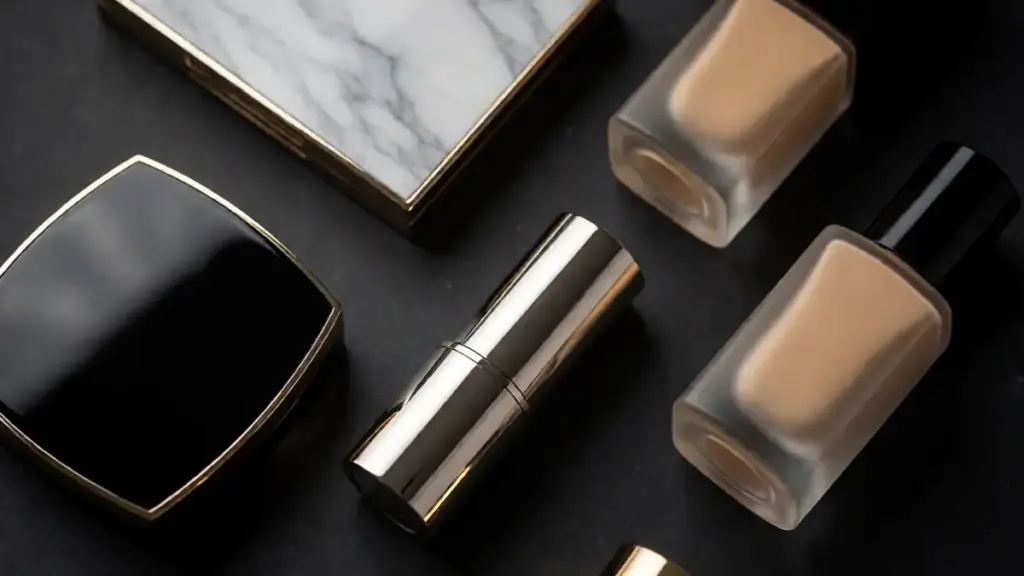

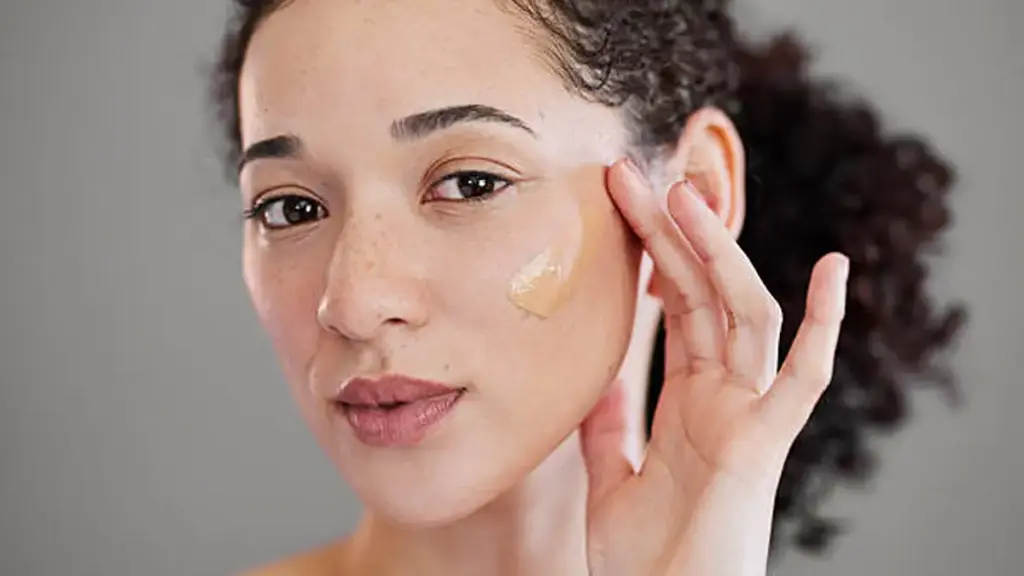
Understanding why foundation changes color after application can help brands reduce shade inconsistency, customer complaints, and unnecessary reformulation during product development. For manufacturers, identifying the factors behind color change early makes it easier to improve formula stability before the product reaches the market.
This analysis examines the main factors that can contribute to foundation color change, including sebum, ingredient volatility, pigment dispersion, and pigment surface treatment. It also looks at formulation strategies for improving color stability and laboratory and on-skin testing methods used to measure changes in color (ΔE) before a product reaches the market.
What Is Foundation Oxidation?
Foundation “oxidation” is the common term used to describe a noticeable color change after application. The shift can be influenced by factors such as sebum, ingredient volatilization, pigment dispersion, surface treatment, and exposure to air and light. Depending on the formula, the foundation may appear darker, warmer, or less bright over time.
The Chemical Reaction on Your Skin
مؤسسة can appear darker or warmer after application because several formula and skin-related factors begin to change at the same time. As volatile ingredients evaporate and the foundation mixes with sebum on the skin, the way light interacts with the pigment film can change. Pigment dispersion and surface treatment can also affect how noticeable the color shift becomes.
How Oxidation Differs from “Drying Down”
It’s easy to confuse oxidation with a foundation simply “drying down,” but they are different. Dry-down mainly involves the evaporation of volatile ingredients as the foundation sets on the skin. This can change the appearance of the shade without necessarily meaning that the pigments themselves have chemically oxidized. This might make the color look slightly deeper, but the undertone stays the same. Color change during wear can continue after the initial dry-down, but the underlying mechanism depends on the formula. Sebum, volatility, pigment treatment, and other formulation factors can all contribute to the final shade seen on the skin.
Why Foundation Oxidizes
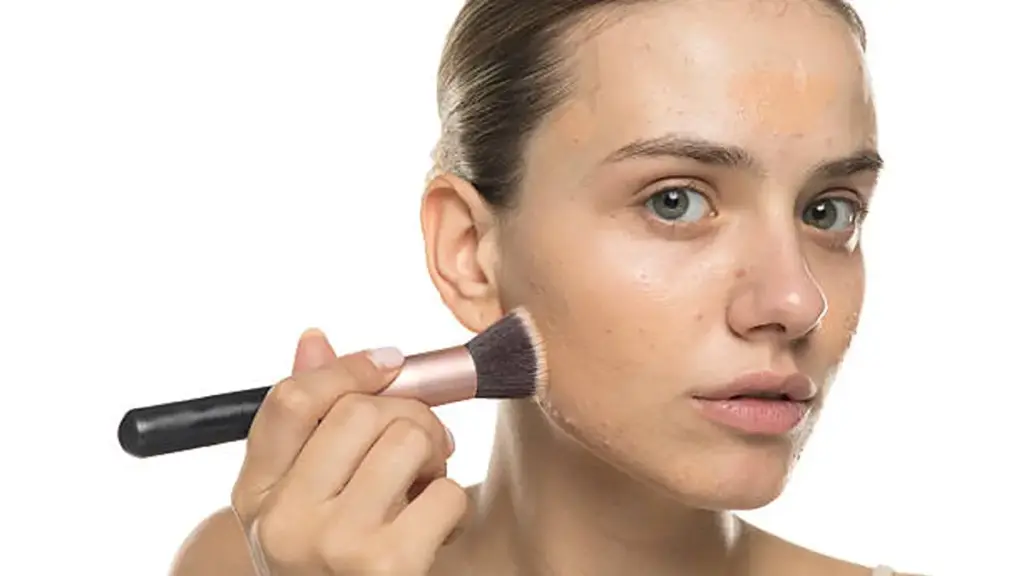
Foundation can darken or shift in tone when its formula interacts with sebum and air during wear, while factors such as volatility, pigment dispersion, and pigment surface treatment can also influence the final color.
Iron Oxides
Iron oxides are among the most common pigments used to create foundation shades, particularly red, yellow, and black tones. However, the darkening seen during wear should not be attributed to a simple oxidation reaction of the iron oxides themselves. Pigment dispersion, surface treatment, formula volatility, and interaction with sebum can all affect how the shade appears over time.
The result is that your foundation starts to look warmer, more orange, or simply a shade darker than when you first applied it. This shift can happen anywhere from a few minutes to a couple of hours after application.
Skin Oils
Sebum is an important contributor to foundation darkening, particularly during wear on oily or combination skin. As sebum accumulates, it can change the way pigments are dispersed and how the foundation film interacts with the skin, which may make the shade appear darker or less even over time.
People with oily or combination skin tend to see more dramatic color changes. The additional sebum can change pigment dispersion and the optical properties of the foundation film, which may make darkening more noticeable or cause the shade to look less even during wear.
Environmental Exposure
Foundation color can also change as the product dries and interacts with its surroundings. Air exposure, evaporation, sebum, and environmental conditions can affect the appearance of the pigment film during wear, although the relative impact of each factor depends on the formulation.
Environmental conditions can also influence foundation color stability. Heat, humidity, light, and prolonged wear may change how the formula behaves on the skin, although their impact can vary substantially with the formulation.
Your Turnkey Partner for Custom Cosmetics
Ingredients That Help Prevent Oxidation
Manufacturers can use several formulation strategies to improve foundation color stability. These may include surface-treated pigments, appropriate pigment dispersion, oil-managing powders, antioxidants, and chelating agents, depending on the formula and the type of color change being addressed.
| Ingredient Category | Primary Function |
|---|---|
Surface-Treated Pigments | Surface-treated pigments modify the pigment surface to improve compatibility, dispersion, and resistance to unwanted color change. Silicone-based treatments are one common approach, and studies have found that certain silicone-treated pigments can reduce foundation darkening compared with untreated pigments. |
Antioxidants | Antioxidants such as Tocopherol can help protect oxidation-sensitive oils and emollients within the formula. They are mainly used to support formulation stability and slow oxidative degradation rather than completely prevent color change during wear. |
Chelating Agents | Chelating agents such as Disodium EDTA can bind trace metal ions that may promote oxidation in a cosmetic formula. This can help improve formulation stability, although the effect on foundation color depends on the overall composition. |
How Manufacturers Test Foundation Oxidation
Brands test foundation oxidation with lab models using artificial sebum and on-skin panel tests to measure color shifts from oils, light, and wear time.
Manufacturers can use controlled laboratory and on-skin tests to evaluate foundation color stability before launch. These tests help identify how the formula responds to sebum, evaporation, light, and wear over time. The goal is to quantify any unwanted darkening or color shift, primarily focusing on the formula’s reaction to sebum, sweat, light, and air.
Lab-Based (In-Vitro) Methods
Before testing on people, formulators use lab-based methods to screen ingredients and prototype formulas. These tests isolate variables to see what causes the most significant color change.
The most critical test simulates interaction with skin oils. In laboratory studies, researchers may apply a controlled foundation film to an opacity chart or other substrate and expose it to defined conditions, sometimes including artificial sebum. Color is then measured at set intervals using a spectrophotometer to quantify changes in L*, a*, b*, and overall ΔE. This device provides objective data on changes in lightness (L*) and color direction along the red-green (a*) and yellow-blue (b*) axes. The overall color difference is expressed as ΔE.
Other common lab tests include:
- Sweat Interaction: The foundation is exposed to an artificial sweat solution to see if it darkens or becomes more transparent. In published studies, sebum has generally produced a stronger darkening effect than sweat, although the response can vary with the formulation.
- Photo-Oxidation: Samples are exposed to artificial daylight or UV lamps to measure color stability under light. This helps determine the need for antioxidants or UV stabilizers in the formula.
- Accelerated Aging: Manufacturers may store foundation samples under elevated temperatures to accelerate certain stability changes. These studies can reveal potential issues with color, viscosity, separation, odor, and other quality attributes and support the broader shelf-life assessment.
These laboratory results can help formulators compare pigment treatments, oils, powders, and other formulation variables and identify combinations that show better color stability. Formulas showing acceptable color stability can then be evaluated alongside other performance and stability requirements before moving to further development.
On-Skin (In-Vivo) Panel Testing
Laboratory screening helps narrow down promising formulas, while on-skin testing provides additional information about how the product behaves under real wear conditions. Manufacturers conduct controlled studies with human volunteers, known as panel tests, to confirm a foundation’s real-world behavior.
The process is highly structured. Panel composition depends on the purpose of the study, but manufacturers may include participants with different skin types to evaluate how sebum and other skin-related factors affect foundation color during wear. After a standardized facial cleansing, a technician applies a controlled amount of foundation to the participants’ faces or forearms. The panelists then spend their day in a controlled environment or their normal routine.
At specific time points—immediately after application, then perhaps 4, 8, or 12 hours later—evaluations are performed. A technician uses a portable colorimeter to take instrumental readings directly from the skin, tracking color change over time. Trained experts also perform visual assessments, grading the foundation for any darkening, dullness, or shift toward orange. These tests are often combined with evaluations for long-wear performance, transfer resistance, and oil control.
These results can provide supporting evidence for performance claims such as long-lasting color or color stability, provided that the claim is appropriately tested and substantiated for the target market. If a foundation fails in the panel test, it goes back to the lab for reformulation.
From Color Stability Testing to Scalable Foundation Production
For private label and OEM/ODM brands, مؤسسة development involves more than selecting a shade and filling it into packaging. سيلوران works with customers to develop customized makeup products based on their target positioning, formula requirements, and packaging needs. Its R&D team supports formulation design, formulation review, and sample testing before production, helping brands evaluate product performance before moving to larger volumes. The factory covers 40,000 square meters and has dedicated workshops for lip makeup, powder, daily chemical products, spraying, and batching. Automated filling and packaging equipment from Japan, Germany, and Switzerland supports consistent production across different cosmetic formats. With experience in color cosmetics and skin care, Siloran provides a development process that connects formulation work, testing, packaging, and manufacturing rather than treating each stage as a separate step.
How Manufacturers Develop Oxidation-Resistant Foundation Formulas
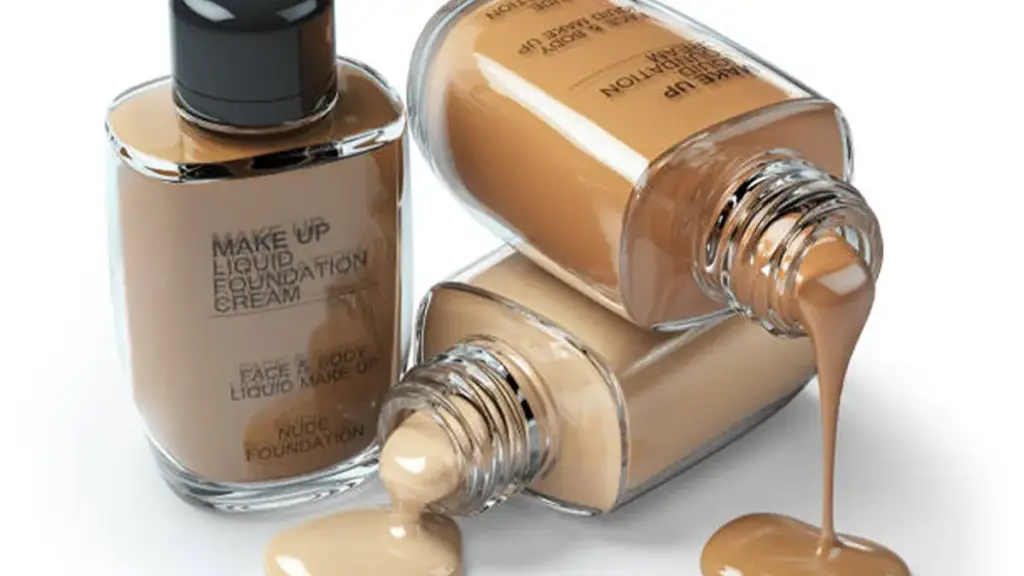
Developing a color-stable foundation requires evaluating pigments, oils, powders, film-formers, and other formulation variables as an integrated system.
Evaluate Formula Composition and Marketing Claims
Product claims can provide useful clues about the formulation’s intended performance, but they should not be treated as proof of color stability. Some claims are genuinely useful signals for an oxidation-resistant formula because they point to specific formulation strategies. Anything designed to fight oil or last for hours is built to create a barrier between your skin’s sebum and the foundation’s pigments.
Look for these keywords, as they often correlate with better color stability, especially on oily or combination skin:
- Long-wear / 24H wear: Long-wear claims may indicate that the formula uses film-forming or other wear-resistant technologies, but the claim alone does not guarantee better color stability. Actual performance depends on the complete formulation.
- Oil-free / For oily skin: Oil-free and silicone-containing foundations may behave differently in contact with sebum, but the overall color stability depends on the specific oils, volatile ingredients, pigments, powders, and film-forming system used in the formula.
- Matte finish / Shine control: Matte formulations often use powders or other oil-control technologies to reduce visible surface oil, which may help limit some sebum-related changes during wear.
- Waterproof / Humidity-resistant: Similar to long-wear, these rely on durable films that prevent breakdown from moisture and sweat, which helps keep the color stable.
On the ingredient list, antioxidants such as Tocopherol (Vitamin E) or certain Ascorbyl derivatives may help support the formula’s oxidative stability. By helping protect oxidation-sensitive oils and other ingredients, they can reduce the risk of color changes during storage and throughout the product’s shelf life.
Follow a Step-by-Step Shade and Formula Testing Process
No formula is foolproof for every person. The only way to know for sure is to test it on your own skin, under real-world conditions. A bad undertone match is often mistaken for oxidation, so get that right first. A foundation that’s too warm to begin with will only look more orange as the day goes on.
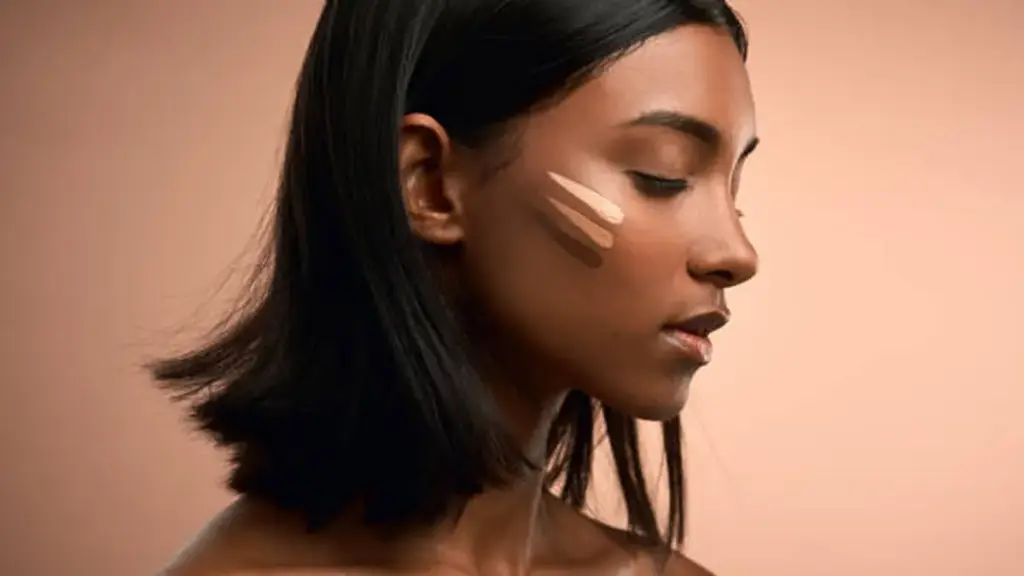
Apply a few stripes of potential shades on your jawline, not your hand or wrist. Your jaw is a better spot because it shows how the color looks against both your face and your neck. Blend the edges slightly but leave enough product to see the true color.
This is the most critical step: wait. Don’t make a decision under the harsh store lights. Leave the swatches on long enough for the initial dry-down to finish, ideally 30 minutes or longer, and check them again in natural daylight. For formulas known to change significantly during wear, a longer wear test gives a more reliable indication of the final shade. This allows time for the initial dry-down to finish and for any immediate chemical reaction with your skin’s oils to begin. You’ll see if the shade deepens or turns warmer.
If a foundation consistently changes color during wear, do not automatically choose a shade one step lighter. Compare several shades after the formula has settled and select the one whose final undertone and depth match your skin most closely. After it settles on your skin, it will adjust to the correct color.
Frequently Asked Questions
Why does my foundation turn orange or darker after I apply it?
Foundation color can change during wear for several reasons, and this is commonly described as oxidation. Sebum, the formula’s volatile ingredients, pigment dispersion, and pigment surface treatment can all affect how the shade looks after application. On oily or combination skin, increased sebum can make darkening or a warmer appearance more noticeable. The change may develop as the formula dries down and continues to interact with the skin during wear.
What ingredients help stop foundation from oxidizing, especially on oily skin?
There is no single ingredient that can completely prevent foundation from changing color. Manufacturers can improve color stability by combining appropriately surface-treated pigments with suitable oils, powders, film-forming technologies, and antioxidants. Oil-absorbing powders such as silica can help manage excess sebum, while surface-treated pigments can improve pigment dispersion and reduce unwanted darkening. The most effective combination depends on the complete foundation formulation and its intended performance.
Can antioxidants like Vitamin E prevent my foundation from changing color?
Antioxidants such as Vitamin E can help protect oxidation-sensitive oils and other formula components, supporting stability during storage. However, their presence does not by itself prevent color changes that occur during wear, because foundation darkening can also involve sebum, volatility, pigment dispersion, and other formulation factors.
Does the pH of a foundation affect its color?
pH can be an important formulation consideration, particularly for overall formula and pigment stability. However, its effect on visible foundation color change depends on the specific pigments and formulation system, so pH alone does not determine whether a foundation will darken during wear.
What are “surface-treated pigments” and do they help with oxidation?
Surface-treated pigments are pigment particles that have been modified with a thin coating, such as a silicone-based treatment, to change their surface properties. This can improve pigment dispersion and compatibility within the formula and, in some formulations, reduce color darkening during wear. They can be an important part of a color-stability strategy, but their effectiveness depends on the type of treatment and the rest of the foundation formula.
How can manufacturers reduce foundation darkening?
Manufacturers can reduce foundation darkening by optimizing pigment selection and dispersion, evaluating surface-treated pigments, controlling volatile ingredients and oil-phase components, and testing the finished formula under controlled conditions. Because discoloration depends on the complete formulation, the most reliable approach is to compare candidate formulas using instrumental color measurements and appropriate wear testing rather than relying on a single ingredient or claim.
الأفكار النهائية
Foundation darkening is not caused by a single ingredient or one universal chemical reaction. Sebum, volatility, pigment dispersion, surface treatment, and the broader formulation system can all influence color stability during wear. For manufacturers, controlled testing is essential for identifying the combination of formulation variables that provides the desired shade and performance.
For brands developing a new foundation, stability testing can help identify color-shift risks before mass production. سيلوران supports OEM/ODM development from formulation and packaging design through sample testing and mass production, with an experienced R&D team and GMP/ISO22716-certified manufacturing facilities.