

The cosmetics industry is increasingly shifting towards sustainability and ethics, with consumers prioritizing vegan ingredients for their cruelty-free and eco-friendly benefits. Vegan cosmetics are made without animal-derived ingredients, offering a more ethical alternative.
This article explores the top 10 vegan ingredient alternatives, how to identify and avoid non-vegan components, and the benefits of using vegan ingredients in formulations. Whether you’re a brand owner, formulator, or beauty enthusiast, this guide will help you create cleaner, more ethical beauty products.
How to Identify and Avoid Non-Vegan Ingredients in Cosmetics
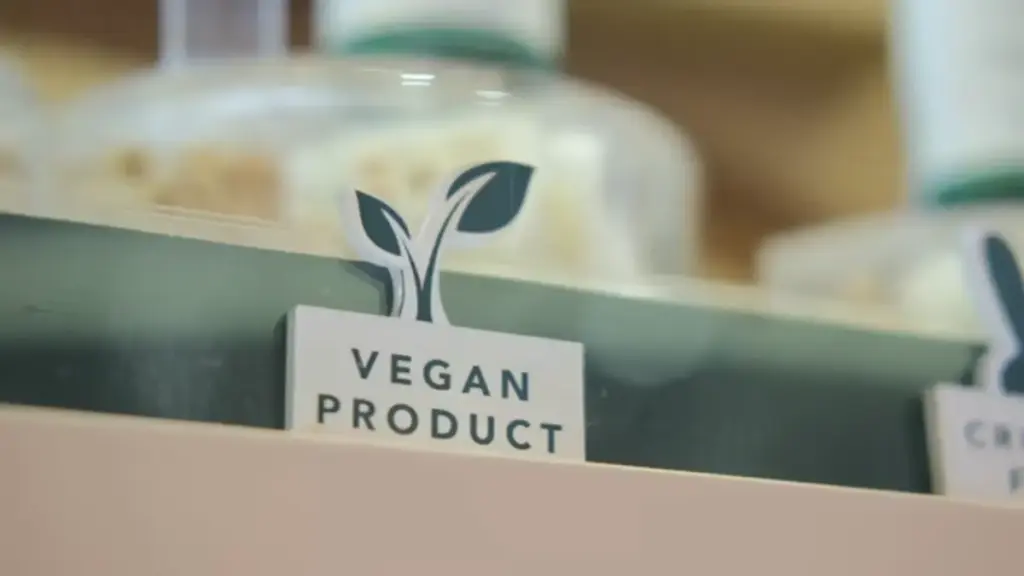
Animal-derived ingredients are common in traditional formulations, from moisturizers to lipsticks. Key non-vegan components include:
- Carmine: A red pigment derived from crushed cochineal beetles, often used in lipsticks and blushes.
- Beeswax: A natural wax produced by bees, frequently used in lip balms and mascara.
- Lanolin: A wax obtained from sheep’s wool, found in moisturizers and lip balms.
- Gelatin: A protein derived from animal bones and skin, used in face masks and as a thickener in cosmetics.
- Collagen: Sourced from animal connective tissues, often used in anti-aging creams.
- Animal fats (tallow): Used in soaps, shampoos, and foundations for their moisturizing properties.
To ensure your formulations are 100% vegan, look beyond the basic marketing label.
- First, request a Material Safety Data Sheet (MSDS) or Technical Data Sheet (TDS) from your supplier to verify the raw source.
- Second, check for international certifications like The Vegan Society or PETA’s “Global Animal Test-Free and Vegan” logos.
- Finally, cross-reference INCI names for potential animal origins; many ingredients like Squalane can be sourced from either sharks or olives, so explicit plant-based documentation is necessary for compliance.
Best 10 Vegan Alternatives for Cosmetics
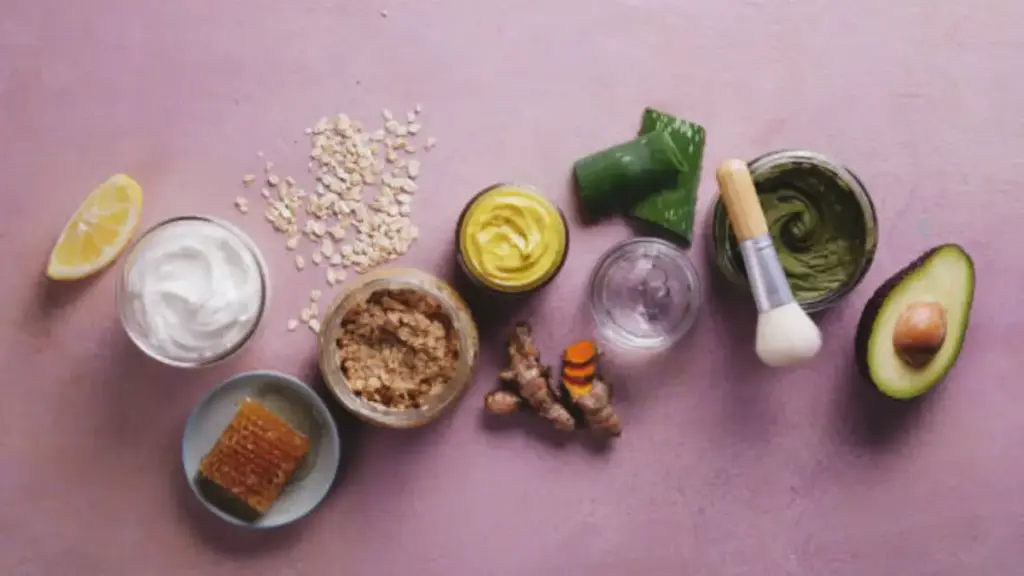
Let’s explore some of the best vegan ingredient alternatives for various cosmetic products. These ingredients not only serve as substitutes for animal-derived components but also provide additional skincare benefits.
Lipsticks: Replacing Carmine with Plant-Based Pigments
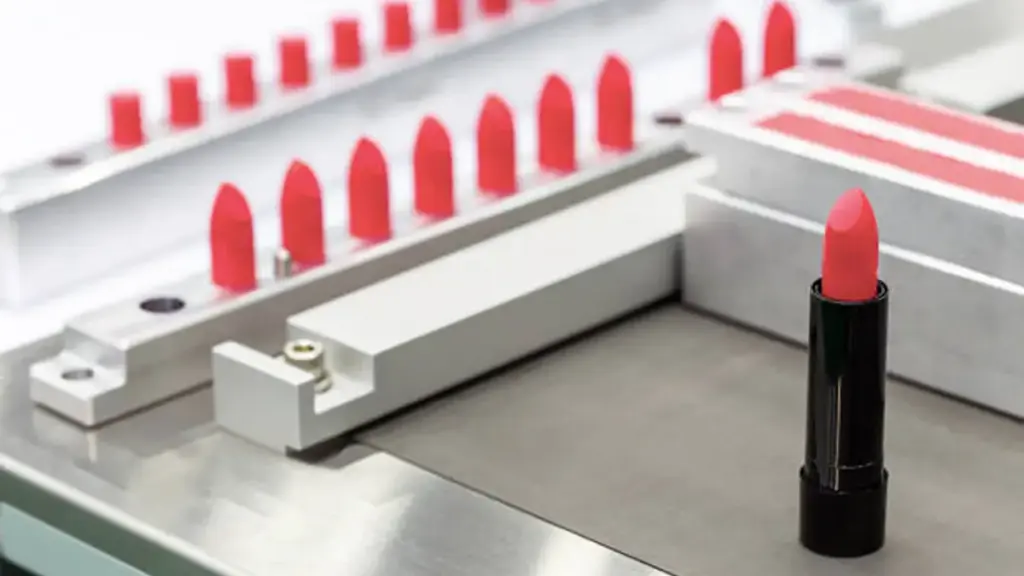
Carmine provides vibrant reds but relies on cochineal beetles. For a 100% vegan lipstick line, replace it with Beetroot powder, Hibiscus extract, or Iron Oxides. These botanical dyes offer excellent color payoff and thermal stability. They meet the growing demand for “clean label” color cosmetics without sacrificing the rich pigment density required for premium lip products.
Foundations: Using Plant Oils Instead of Animal Fats
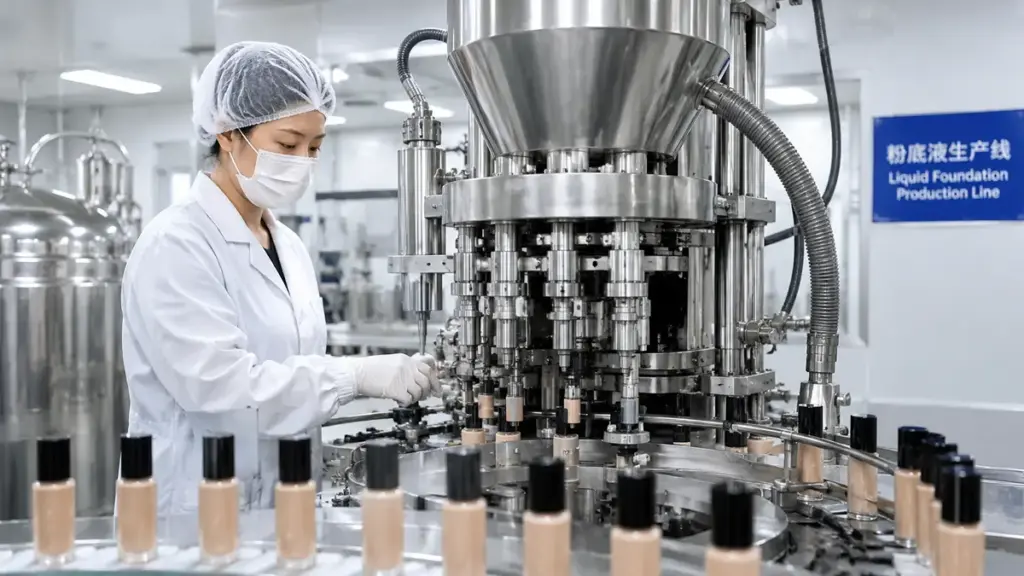
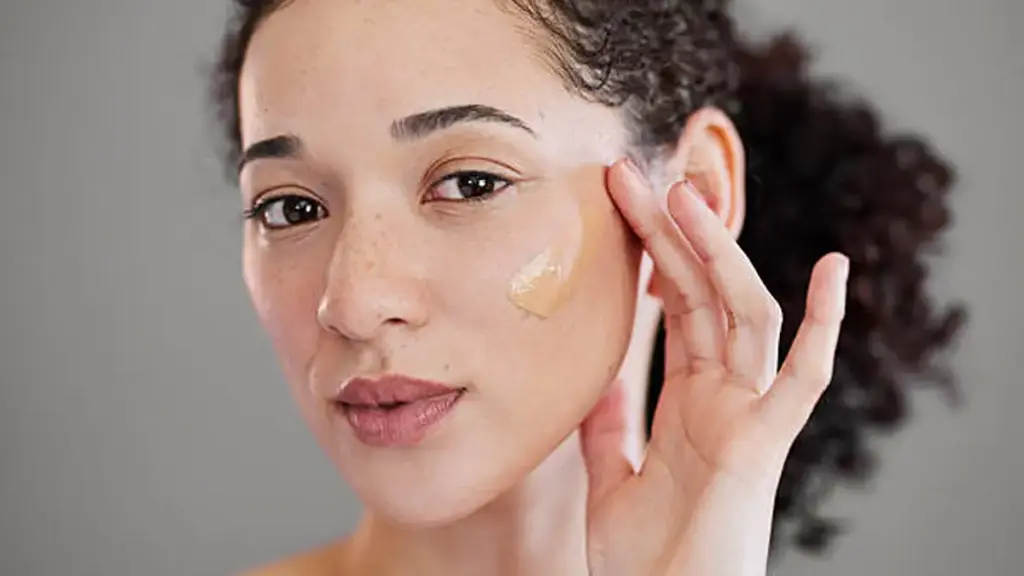
Traditional foundations often use tallow (animal fat) for emolliency. High-performance plant oils like Jojoba, Coconut, and Sunflower oil are superior alternatives. Jojoba oil, in particular, mimics human sebum, providing better skin compatibility and a non-greasy finish. These oils are rich in Vitamin E and essential fatty acids, adding a “skincare-infused” marketing advantage to your foundation range.
Máscara: Plant-Based Waxes Over Beeswax
Beeswax provides the “tack” and volume in mascara but is an animal byproduct. Carnauba wax, derived from Brazilian palm leaves, offers a higher melting point and superior film-forming properties. It ensures long-lasting wear and smudge resistance in humid conditions. For formulators, Carnauba provides the necessary structure and “lift” for lash-defining products while remaining fully biodegradable.
Delineadores de ojos: Plant-Based Charcoal and Minerals
Traditional eyeliners often use animal-derived ingredients like gelatin or tallow to achieve smooth application. Plant-based charcoal and minerals, such as activated charcoal and mineral pigments, can replace these animal-based components. Activated charcoal is great for creating dark, bold lines, while mineral-based pigments (like iron oxides) can provide a range of colors. These alternatives are gentle on the skin and offer a more natural, vegan-friendly option.
Rubor and Bronzer: Mineral Powders Over Animal-Based Fillers
Lanolin is often used as a binder in pressed powders but can be comedogenic. Instead, you can use mineral powders, which are often finely milled from natural minerals like mica, zinc oxide, and titanium dioxide. These minerals offer natural light-reflecting properties and excellent blendability. They are also less likely to irritate the skin and are suitable for all skin types, including sensitive skin.
Highlighters: Replacing Gelatin with Agar Agar
Gelatin, a common thickening agent in cosmetics, is derived from animal collagen. A plant-based alternative to gelatin is agar agar, a substance derived from seaweed. Agar agar works just as effectively as gelatin in creating a smooth, gel-like consistency for highlighters and other cosmetic products. It’s not only vegan but also cruelty-free and eco-friendly, as seaweed is a sustainable resource.
Nail Polishes: Non-Animal Derived Pigments and Resins
Traditional polishes may contain guanine (fish scales) or animal-derived resins. Modern vegan formulations utilize Synthetic Resins and Plant Pigments like beet juice or iron oxides. These alternatives offer high-gloss finishes and long-lasting chip resistance. Switching to plant-based resins allows brands to market “10-Free” or “12-Free” non-toxic, vegan nail care lines.
Makeup Removers: Plant-Based Oils and Butters
Many traditional makeup removers contain animal-based ingredients such as lanolin or collagen. A great vegan alternative is plant-based oils and butters, such as coconut oil, olive oil, or shea butter. These oils not only help break down makeup but also nourish the skin. Coconut oil, for instance, has antibacterial properties, while shea butter is rich in vitamins A and E, making it an excellent choice for moisturizing the skin after makeup removal.
Lip Balms: Carnauba Wax or Candelilla Wax Instead of Beeswax
Candelilla wax is the optimal vegan alternative to beeswax for lip care. It provides a slightly harder texture and a higher gloss finish, which is ideal for protective lip balms. It offers excellent moisture-retention properties and creates a smooth, protective barrier. For formulators, Candelilla integrates seamlessly with plant oils to prevent product “sweating.”
Setting Sprays: Plant-Based Gums Instead of Gelatin
Gelatin is often used as a film-former to lock makeup in place. Xanthan Gum and Guar Gum are powerful plant-based substitutes that offer the same “hold” without the stickiness. These gums create an invisible, breathable mesh over the skin, extending makeup wear-time. They are highly compatible with water-based formulations, making them perfect for clean-label setting sprays.
Benefits of Choosing Vegan Ingredients in Cosmetics

Choosing vegan alternatives offers strategic advantages beyond ethical considerations. For manufacturers and brand owners, these benefits translate into market competitiveness:
- Global Market Access: Vegan-certified products face fewer regulatory hurdles in regions with strict animal-testing bans (such as the EU). This simplifies the export process and broadens your international reach.
- Superior Skin Compatibility: Plant-derived ingredients often have smaller molecular structures or mimic natural skin lipids (like Jojoba). This results in better absorption and reduced risk of irritation, making formulas ideal for the “sensitive skin” market.
- Supply Chain Sustainability: Botanical sourcing generally has a lower carbon footprint and uses fewer resources than animal-based farming. This helps brands meet ESG (Environmental, Social, and Governance) goals and appeals to eco-conscious investors.
- Marketing Premium: Vegan products often command higher price points. By eliminating animal-derived “fillers” like tallow, brands can market a “nutrient-dense” profile, highlighting vitamins, antioxidants, and minerals found naturally in plants.
How to Formulate with Vegan Cosmetic Ingredients
Formulating a clean beauty line requires more than just ingredient substitution. It demands a balance of performance, stability, and ethical compliance. Here is how professional cruelty free cosmetic brands manage the transition:
Source High-Stability Botanical Bases
Premium vegan lines require pure, sustainably sourced raw materials. Utilizing organic plant waxes and oils ensures formula efficacy without synthetic stabilizers. High-quality botanical pigments provide professional-grade color density while remaining clean beauty compliant.
Sensitivity Testing
Even vegan ingredients can cause skin reactions. Perform thorough sensitivity testing, especially for sensitive skin types. Vegan formulations often exclude synthetic fragrances, making them ideal for those prone to allergies or irritation.
Balancing Function and Ethics
A successful custom formula must match or exceed the performance of traditional products. Focusing on “glide” and “wear-time” ensures that ethical choices do not compromise quality.
Partner with Siloran for Your Vegan Beauty Project
The growing demand for ethical cosmetics is a massive opportunity for brand owners. Success lies in choosing a partner that combines technical expertise with a robust supply chain.
Silorán excels as a premier R&D partner and manufacturer with 14 years of expertise. We provide one-stop custom formula services, from ingredient sourcing to full-scale production. Our team ensures your formulations meet the highest clean beauty certifications with market-leading efficacy. Partner with Siloran today.
Pure ingredients, premium quality; ethical vision, endless beauty.


 Spanish
  English
  Arabic
  Dutch
Dutch  French
  Portuguese
  Russian