
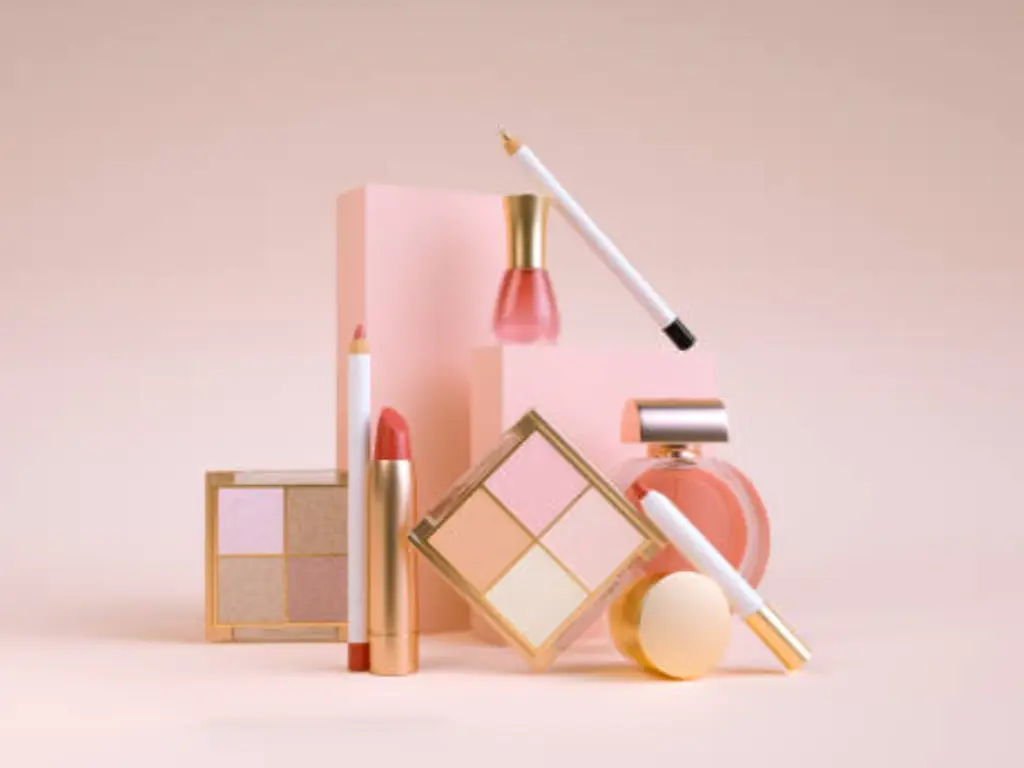
Refillable makeup packaging is gaining attention as beauty brands look for more sustainable and practical packaging solutions. Driven by changing regulations and consumer preferences, refill systems are helping brands reduce packaging waste while creating a more convenient product experience.
This guide explores five major refillable makeup packaging trends, including magnetic palettes, refillable lipstick systems, sustainable material combinations, and modular designs. It explains how different packaging models affect user experience, material efficiency, and long-term brand value.
Why Refillable Makeup Packaging Is Growing
Refillable makeup packaging is expanding due to strong pressure from environmental regulations, a clear shift in consumer demand for sustainable products, and strategic business decisions. Brands are using refill systems to increase customer loyalty and achieve long-term cost savings, even with higher initial investments.
Environmental Regulations and Sustainability Pressure
The beauty industry faces a significant waste problem, producing an estimated 120 billion packaging units each year. About 95% of this packaging becomes waste after just one use, creating intense scrutiny from consumers and environmental groups.
New regulations are accelerating changes in packaging design. The EU Packaging and Packaging Waste Regulation (PPWR) introduces stricter requirements around packaging waste reduction, recyclability, and reuse targets, encouraging brands to consider more sustainable packaging systems. This creates a clear deadline for brands to adopt formats like refillable systems.
Extended Producer Responsibility (EPR) programs add a direct financial incentive. These schemes make brands financially responsible for the waste their packaging creates. By implementing reuse systems, we can reduce the volume of single-use packaging and lower these end-of-life costs.
Shifting Consumer Demand and Brand Strategy
Consumer preferences are a powerful driver behind this growth. Studies show that 79% of shoppers are more likely to buy products with refillable claims. This signals a strong market appetite for packaging that reduces waste.
Refillable systems also build stronger customer relationships. When a consumer invests in a durable outer case, they are more likely to return to purchase our compatible refills. This repeat business increases customer lifetime value and strengthens brand loyalty.
While the initial investment in durable tooling and new designs is higher, the long-term economics are favorable. Refill units are smaller, lighter, and use less material, leading to significant cost reductions in both materials and logistics over the product’s lifecycle.
Top 5 Refillable Makeup Packaging Trends
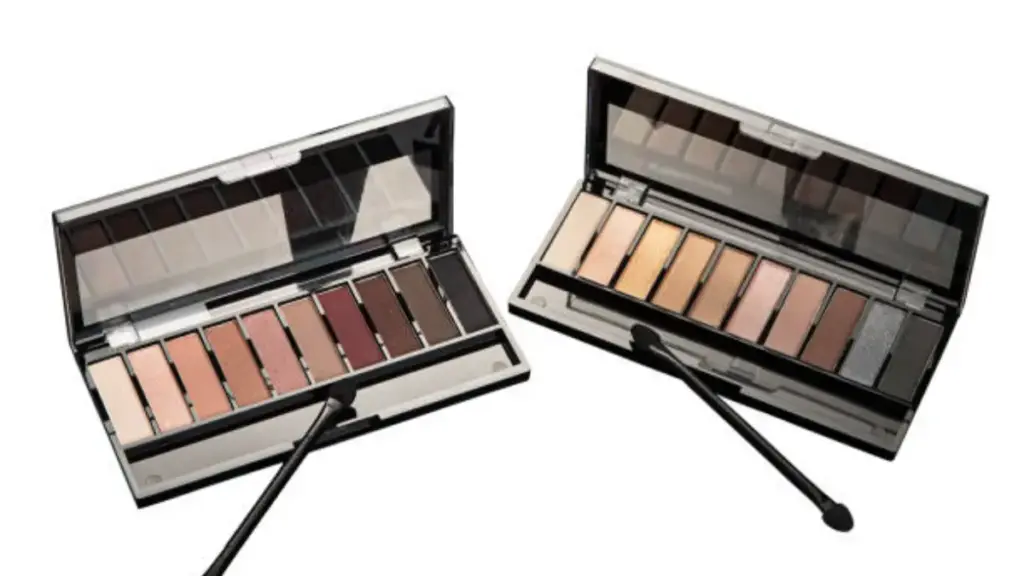
Five key trends are shaping the refillable makeup market. Brands are adopting magnetic systems for customizable palettes, luxury refillable lipsticks to boost retention, and sustainable materials like aluminum and PCR plastics. Modular designs offer product line flexibility, while premium, reusable cases with high-end finishes build long-term brand loyalty.
Magnetic Refill Systems
Magnetic systems are becoming a popular choice for eyeshadow and face palettes. They allow customers to easily remove and replace individual pans of product. This simple mechanism means they don’t have to buy a whole new palette when a single shade runs out, which reduces waste and extends the life of the primary packaging.
For face palettes with blush, bronzer, and highlighter, these magnetic formats support customizable layouts. Customers can build their own kits and swap shades seasonally. This adaptability makes the packaging more valuable and personal. The easy, tool-free swapping also creates a premium user experience that improves how people see the product’s quality.
Refillable Lipstick Packaging
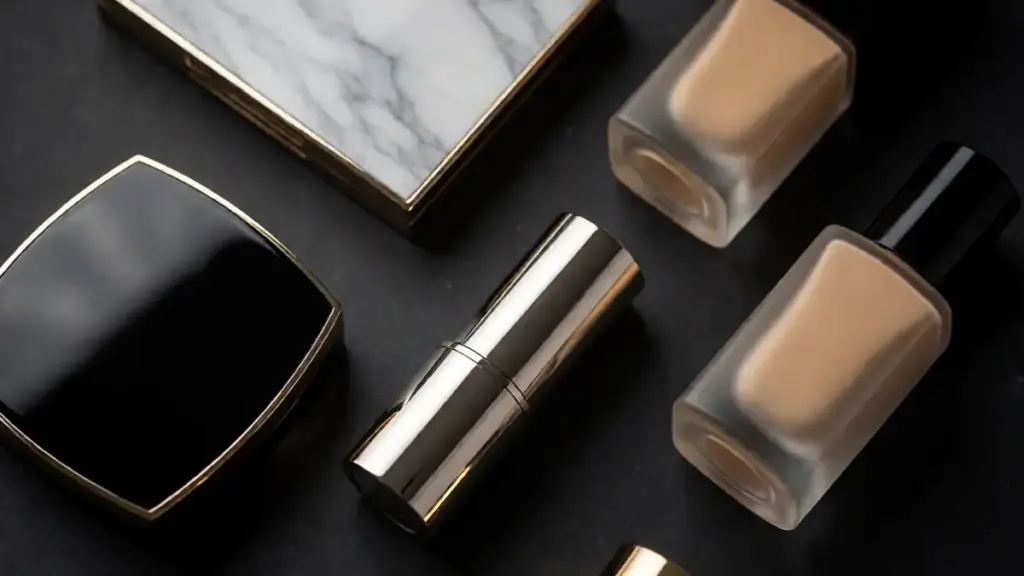
Refillable lipsticks are moving firmly into the luxury space. These systems feature durable shells made with premium metals, precise closures, and polished finishes. This design makes the act of refilling feel like a high-end experience rather than a compromise on quality.
By separating the reusable case from the refill component, brands can create a packaging system designed for repeat purchases while giving customers more flexibility. When a customer invests in a reusable case, they are more likely to return for compatible refills. This creates a longer product lifecycle and builds stronger attachment to the brand compared to single-use lipstick tubes.
Sustainable Material Combinations
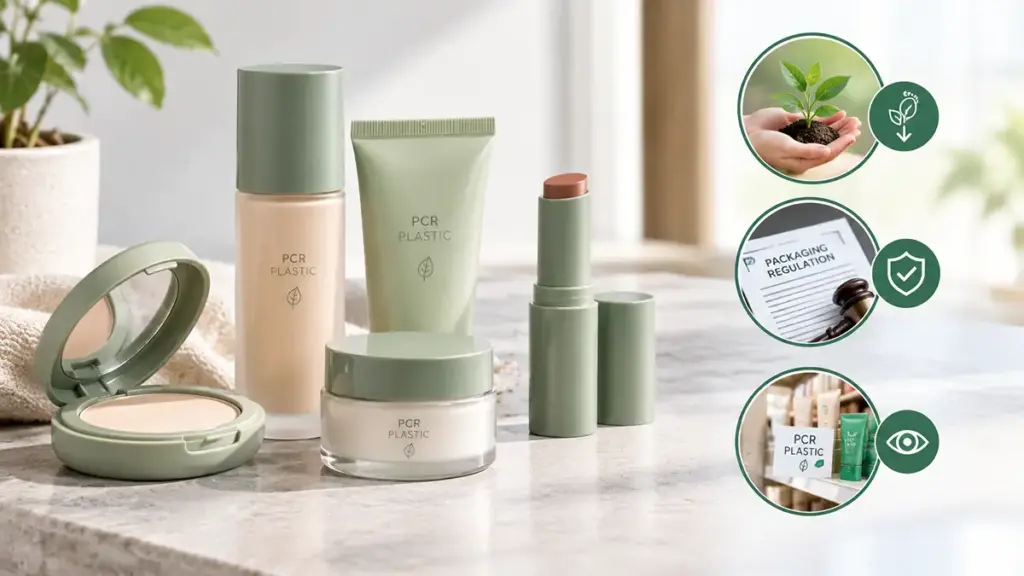
We see a clear trend toward combining different sustainable materials. One common pairing is a durable aluminum outer case with internal components made from Post-Consumer Recycled (PCR) materials. Aluminum offers a premium feel and is widely recyclable, while PCR content reduces the need for virgin plastic.
The core strategy is to use a durable, reusable outer component and a lower-impact, replaceable refill. This approach supports circular packaging models by balancing aesthetics and portability with genuine material reduction. It’s a practical way to meet sustainability goals without sacrificing the product’s look and feel.
Modular Packaging Designs
Modular designs are built around replaceable components. Instead of replacing an entire package, the customer only swaps out the part that contains the product. This approach works well for product families that change by shade or formula, like compacts, sticks, and refillable pods.
These systems also create more flexible product lines. A brand can standardize one outer format across multiple SKUs, which simplifies tooling and creates a consistent look on the shelf. Modular designs support the economics of refills by lowering material use for each repurchase and making replenishment simple for customers.
Premium Reusable Packaging
Brands are using high-end finishes to make refillable packaging feel like a luxury item. Features like metallic coatings, embossed logos, and satisfying magnetic closures position these products as desirable objects, not just functional containers. The packaging is designed to last through many refill cycles, which preserves its visual appeal and strengthens its sustainability credentials.
This approach builds long-term brand loyalty. A customer who invests in a premium reusable case is much more likely to return for refills from the same brand. As consumers increasingly connect sustainable packaging with quality, offering a premium refillable option becomes a powerful way to stand out.
Launch Your Next Best-Selling Lipstick Line.
Trend 1 Magnetic Refill Systems
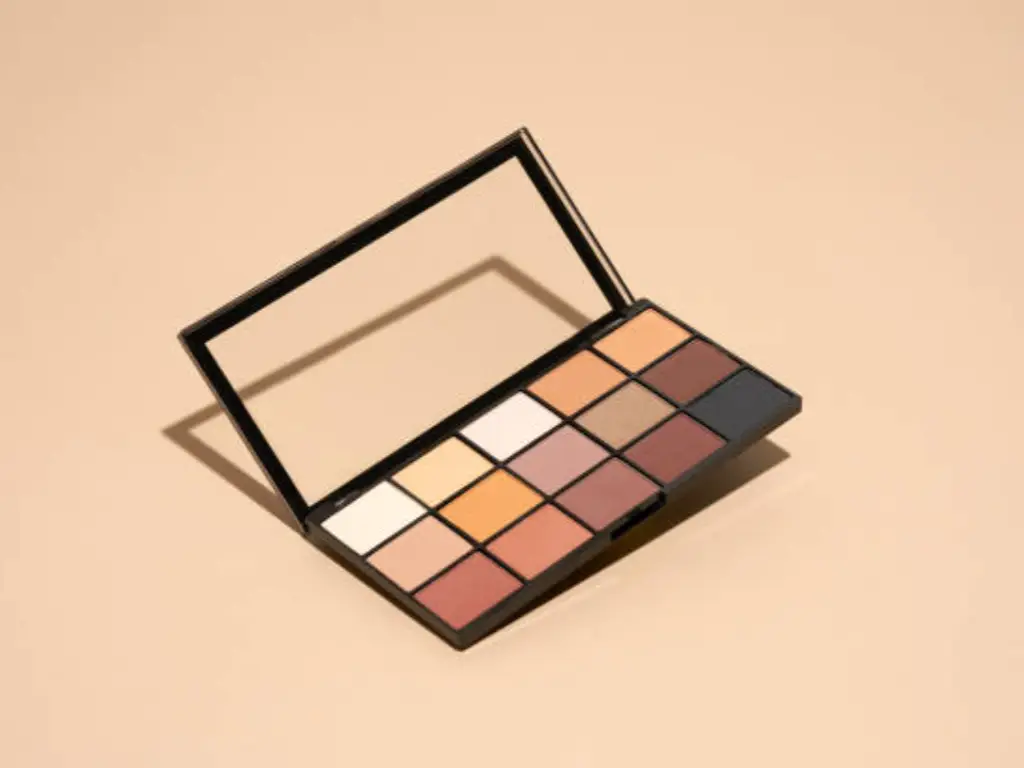
Magnetic refill systems use magnets to hold swappable product pans securely within a reusable outer case. This design is a major trend because it cuts down on packaging waste, gives users the freedom to build custom palettes, and offers a premium experience that builds strong brand loyalty.
Eyeshadow Palettes
These systems use a flat palette with a magnetic base, which lets users arrange and swap out individual eyeshadow pans. This makes it easy to replace a favorite color without buying an entirely new palette.
The design offers a high level of customization. Users can build personalized kits for travel or professional work, mixing and matching shades to fit their specific needs in a single, convenient case.
This approach also reduces waste. By replacing only the metal pans, customers avoid discarding single-use plastic inserts and the glues that make conventional palettes difficult to recycle.
Face Palettes
Magnetic face palettes let consumers create their own compacts with preferred blush, bronzer, and highlighter refills. It puts them in control of their makeup collection and reduces product waste.
The experience is simple and clean. Refills snap securely into magnetic wells and can be popped out using a small finger notch, with no extra tools needed. The intuitive design feels satisfying and functional.
This model gives the product a premium feel and supports strong brand loyalty. Users invest in a durable outer case and return to purchase new shades, creating a reliable repeat business stream.
Trend 2 Refillable Lipstick Packaging
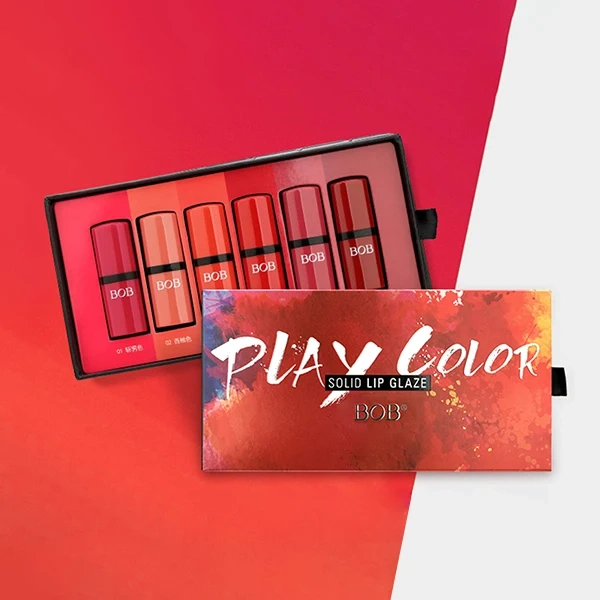
Refillable lipstick packaging combines luxury design with a smart retention model. Brands create durable, premium outer cases from materials like zamac or aluminum that provide a weighted, high-end feel. These cases act as a one-time investment for the consumer, encouraging them to return for compatible, lower-cost refills. This system reduces waste and builds a loyal customer base locked into the brand’s ecosystem.
Luxury Packaging
Refillable lipstick systems typically use durable outer cases designed to create a premium user experience. Using materials like zamac or aluminum gives the packaging a satisfying weight and a premium, long-lasting feel. This approach transforms the lipstick from a disposable item into a valuable, collectible accessory.
The user’s tactile experience is central to the design. We incorporate features like magnetic docking for refills and engineered mechanisms that produce a smooth twist and a defined ‘click’ sound. These small details enhance the perceived quality and justify a higher initial price for the reusable case.
Brands can position these cases as a one-time purchase that signals both quality and a commitment to sustainability. By making the outer shell a beautiful, permanent object, it encourages customers to invest in the system and view subsequent refills as a simple, smart replenishment.
Consumer Retention Benefits
Once a customer invests in a brand’s reusable case, they are far more likely to return for compatible refills. This mechanic significantly increases the rate of repeat purchases, as the barrier to trying a new shade is much lower than buying an entirely new product.
Refill systems create a brand-specific ecosystem. Customers can collect different case designs or easily experiment with new colors by purchasing only the refill. This deepens their engagement and encourages them to explore more of the product line without the waste of a full purchase.
Offering refills at a lower price than a complete lipstick provides a direct financial incentive for loyalty. This strategy builds a long-term relationship, as consumers see value in both the lasting quality of the case and the cost-effectiveness of replenishing their favorite shades.
Trend 3 Sustainable Material Combinations
This trend focuses on pairing durable, long-lasting outer packaging with lightweight, lower-impact materials for the refill components. A common approach combines highly recyclable aluminum for premium outer shells with post-consumer recycled (PCR) plastics for the inner cartridges or pouches. This strategy helps reduce overall waste and dependence on virgin plastics while still delivering a high-quality user experience.
Aluminum Cases
We use aluminum to create durable outer shells for products like lipstick cases and compacts. It is designed to withstand repeated refilling, extending the life of the primary package. Aluminum also has high recyclability rates, which supports closed-loop material systems when the components are properly separated at the end of their life.
For luxury and keepsake items, we often pair these aluminum cases with metal or glass inserts. This combination can create entirely plastic-free packaging that feels premium and is built to last.
PCR Materials
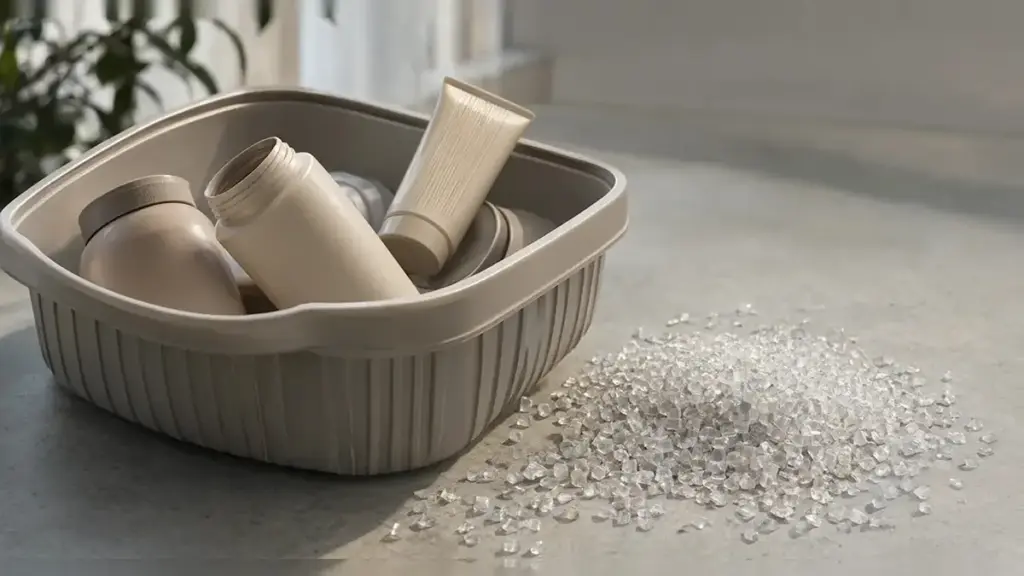
Post-consumer recycled (PCR) plastics are mainly used for the lightweight refill components inside our durable cases. This includes parts like internal cartridges and flexible pouches, aligning with the broader industry goal of moving away from virgin plastics.
The sustainability benefit of this approach is greatest when a lightweight PCR refill is significantly lighter than the original rigid packaging it replaces. This reduces material use and waste with every subsequent purchase.
Trend 4 Modular Packaging Designs
Modular packaging separates a product’s container into a long-lasting outer shell and a replaceable inner refill. This approach allows us to reduce long-term costs by standardizing the outer component across multiple products, which simplifies inventory and makes it easier to launch new shades or limited editions without investing in entirely new packaging tooling.
Replaceable Components
The core of modular design is splitting the package into two parts: a durable, premium outer case meant for long-term use and a consumable inner module that holds the product. Customers keep the high-quality shell and only need to purchase and replace the lightweight refill when the product runs out. This model significantly reduces the material used per purchase.
To make this simple for the end-user, we rely on intuitive, tool-free mechanisms. Common systems include magnetic pans that snap into palettes, click-in cartridges for products like lipsticks, or screw-in vials for liquid foundations. These designs ensure a secure fit while making the replacement process quick and clean, which improves customer satisfaction and encourages repeat refill purchases.
Flexible Product Lines
Modular systems allow us to develop a single outer component—a “platform”—that can support dozens of different refill SKUs. This means one compact design could house various shades of blush, bronzer, or highlighter. This flexibility drastically reduces inventory risk and tooling complexity, as we only need to manage variability in the small, low-cost refill units.
This approach creates significant commercial advantages. Launching seasonal or limited-edition shades becomes faster and more cost-effective because we only need to produce new refills, not entirely new packaging. It also lets consumers personalize their products by building custom palettes, which encourages them to purchase multiple refills to use with a single outer case, increasing their lifetime value.
How Beauty Brands Can Launch Refillable Packaging
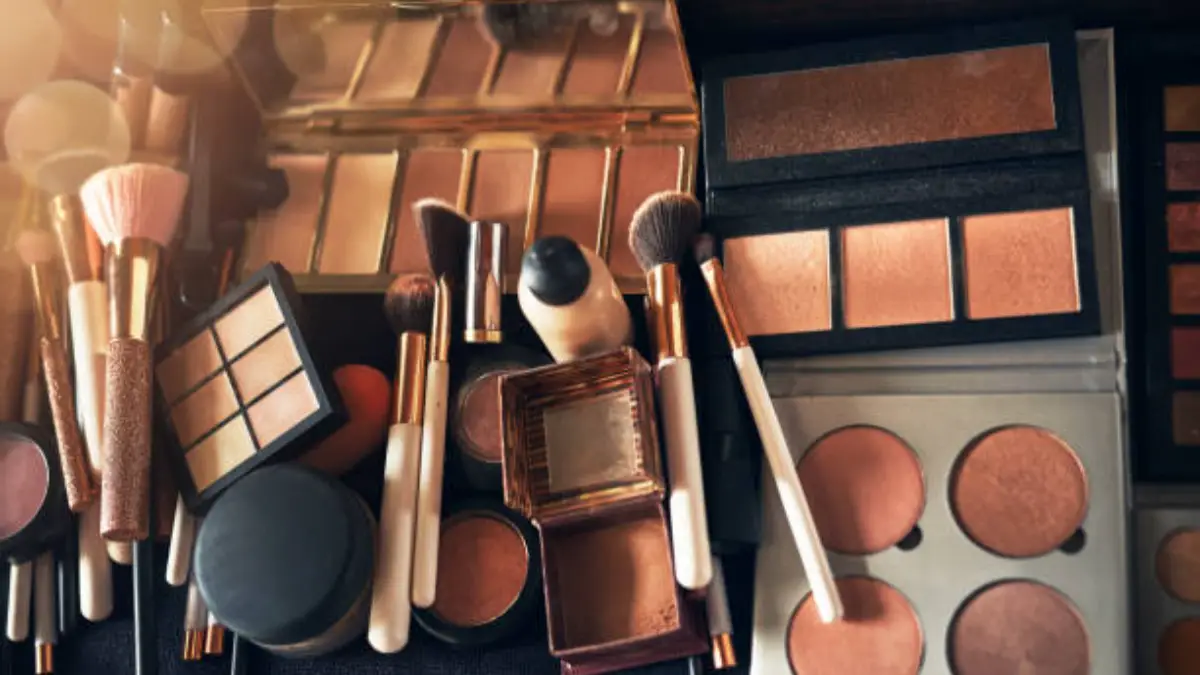
A successful launch for refillable packaging balances strategic design with a well-planned market entry. It begins with selecting the right products and creating an intuitive system, then follows through with clear pricing, effective customer education, and performance tracking to build loyalty and confirm the model’s environmental benefits.
Strategic Planning and Design
To build a successful refill program, it’s best to start with products customers use most often. Items like foundation, pressed powder, or popular lipstick shades are ideal because they encourage frequent refill cycles and help build the habit of reuse.
Choosing the right refill model is critical and depends on the product itself. Magnetic pans work well for powders by offering an easy, satisfying swap-out experience. For lipsticks or stick foundations, click-in cartridges provide a secure and clean replacement that protects the product.
The outer case is just as important as the product inside. It needs to be durable and beautiful enough that a customer wants to keep it. At the same time, the mechanism for replacing the refill must be simple and feel effortless, removing any potential friction for the user.
We also prioritize making the refill component as lightweight as possible. This approach ensures that after just a few purchases, the system achieves a net reduction in material use, delivering on the promise of a lower environmental footprint.
Execution and Market Launch
Your pricing strategy should clearly reward customers for choosing refills. A discount of 15–20% compared to the fully packaged product creates a strong incentive that encourages repeat business and builds loyalty.
Never assume customers will know how the system works. It’s important to develop clear communication, such as simple step-by-step visuals or short tutorials, to show exactly how to swap the refills. This education removes barriers and builds user confidence.
A transparent sustainability story helps build trust. We suggest providing specific data, like the exact percentage of packaging weight saved after a certain number of refills. Concrete information is more powerful and credible than vague environmental claims.
After the launch, tracking performance is key. We monitor metrics like the ratio of refill purchases to new outer shell sales. This data helps us understand customer adoption rates and provides valuable feedback for improving future packaging designs.
Reflexiones finales
Scaling a profitable refillable line requires looking beyond surface-level trends. A data-driven approach can help brands evaluate customer adoption, cost structure, and packaging performance before scaling a refillable product line. This strategic approach is what separates a high-LTV loyalty program from a costly failed initiative.
Don’t guess on execution. We recommend a direct strategic review to adapt this operational framework to your specific product line. Contact our team to discuss your scaling blueprint or to begin developing a custom OEM makeup solution.
Frequently Asked Questions
What are the current refillable makeup packaging trends driving the industry?
Key trends include replacing single-use packs with reusable outer cases, using minimalist designs with fewer components, and adopting eco-materials like recycled plastics. Brands are also developing solid product formats and circular positioning to encourage repeat purchases and meet consumer demand for lower-waste options by 2026.
How do drop-in replacement mechanisms work in luxury lipsticks?
Drop-in systems use a separate product cartridge that inserts into a durable, reusable outer case. This refill unit is designed with a precise mechanical interface to lock securely into the shell, ensuring a stable fit and smooth function. This allows consumers to keep the luxury outer case while only replacing the inner product.
Are refillable cosmetic systems more expensive upfront for a brand to deploy?
Yes, initial costs are typically higher because of the need for new tooling, complex mechanical design, and thorough compatibility testing. While the upfront investment is greater than for standard packaging, brands can offset these costs over time through repeat refill sales, stronger customer loyalty, and reduced long-term material use.
What materials are used to make heavy, reusable outer cosmetic cases?
Heavy, reusable cases often use materials that convey a premium weight and feel. Common choices include recycled aluminum, glass, and other metal alloys for their durability and high-end finish. Rigid engineering plastics are also used when impact resistance is a priority while still maintaining a quality feel.
How do factories fill and seal inner refill capsules for lip liquids?
Factories use specialized liquid filling lines to dose the formula into the refill capsule with precision. The capsule is then sealed using methods like capping, crimping, or ultrasonic sealing to prevent leaks. Quality control, including leak testing and dimensional checks, ensures the refill fits and functions correctly in its outer case.