

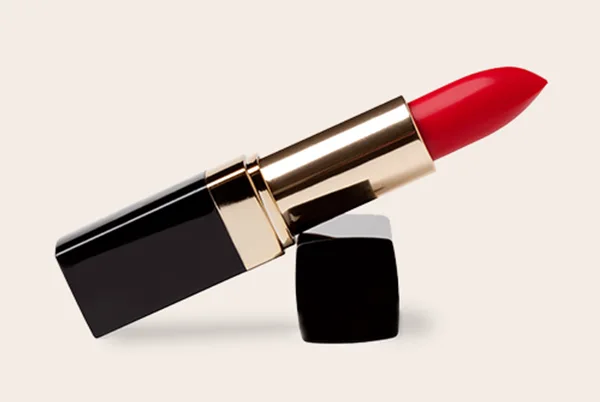
Lipstick performance depends on more than just color and texture. Problems such as breakage, sweating, oxidation, or wax bloom can affect product appearance, user experience, and brand reputation.
From formula balance to manufacturing controls, this article explores how fabricants de rouges à lèvres identify stability issues and improve product consistency through better formulation and quality testing.
What Are the Main Lipstick Stability Issues?
Lipsticks fail in four ways: the bullet breaks, oils go rancid, waxes and oils separate into crystals or droplets, or the bullet scrapes against its case.
Bullet Breakage and Snap Strength Deficiencies
This is the most obvious physical failure. The bullet simply fractures during application, often snapping at the base where it meets the mechanism. This can happen when the lipstick is exposed to excessive application force, shipping stress, or when the formula does not provide enough structural strength.
It’s a direct result of an imbalanced wax-to-oil ratio. Too little wax makes the stick soft and deformable, while too much makes it brittle and prone to cracking. Even if it survives application, a lipstick can still develop micro-cracks during shipping from temperature changes and mechanical shock, leading to a surprise break later on.
Lipid Oxidation and Rancidity
Lipstick is an anhydrous mix of oils, butters, and waxes. Its biggest chemical enemy is oxidation. Over time, the lipids in the formula degrade, creating noticeable off-odors—that classic “old crayon” smell—and an unpleasant taste. This oxidation process is accelerated by exposure to heat, light, and oxygen.
Formulas heavy on unsaturated plant oils are particularly vulnerable. Beyond the bad smell, oxidation can also cause the lipstick’s color to shift or fade, completely altering the intended shade and ruining the product.
Cosmetic Blooming and White Crystals
This is a visual defect where the formula starts to separate. You might see small, slick oil droplets on the lipstick’s surface, a phenomenon known as sweating or syneresis. It happens when oils physically escape the wax base.
Another common issue is blooming, where a white haze or visible crystals form on the bullet. This is caused by waxes or fats recrystallizing as the product goes through temperature fluctuations, like being left in a car. These problems are often related to an imbalance between oils, waxes, and other structuring ingredients, which can affect the stability of the final formula.
Twist-Up Case Misalignment
Sometimes the formula is fine, but its interaction with the packaging is not. The bullet rubs against the inner walls of the case as it twists up, causing scraping, smearing, and damage to its shape. This is usually due to a poor fit—the bullet’s diameter is too wide for the barrel, or the mechanism itself is misaligned. This can cause the mechanism to jam or the bullet to wobble. In bad cases, the bullet can become loose or even detach completely from its base, making it impossible to apply without it breaking.
How Manufacturers Solve Stability Issues
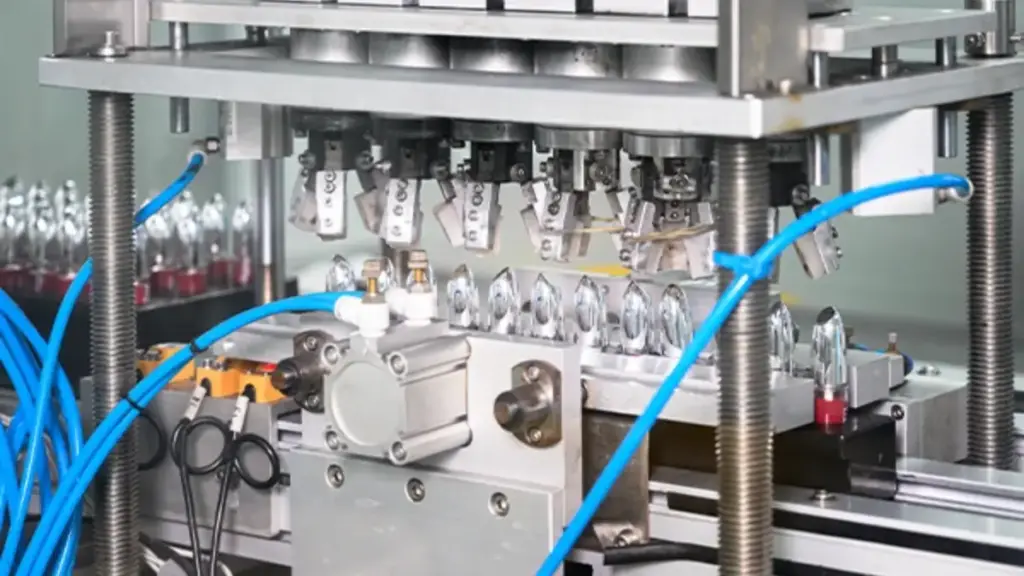
Manufacturers improve lipstick stability by optimizing the wax-and-oil system, incorporating antioxidants to slow oxidation, and controlling key production steps such as heating, mixing, and cooling.
| Strategy | Key Actions | Targeted Problem(s) |
|---|---|---|
| Formula & Wax Selection | Adjust wax content, blend hard and soft waxes, and use rheology modifiers or gelling agents. | Sweating, breakage, graininess, poor texture. |
| Antioxidant Integration | Incorporate oil-soluble antioxidants like Tocopherol and use synergistic blends to boost effectiveness. | Rancidity, off-odors, color fading. |
| Process & QC Controls | Manage heating and cooling profiles, control mold temperature, and conduct rigorous stability testing protocols. | Structural defects, surface flaws, inconsistency. |
Formula Adjustments and Wax Selection
The backbone of a lipstick is its wax-and-oil matrix, which plays a key role in lipstick formula development. To make it stronger, formulators might increase the total wax content, add rheology modifiers to build a more resilient internal network, or ensure the polarity of the waxes and oils match to prevent them from separating over time. It’s a balancing act.
Combining hard, high-melting-point waxes like carnauba with softer, more flexible waxes gives the bullet both hardness and fracture resistance, so it doesn’t snap during application. To stop the bullet from sweating oil droplets, they often switch to higher-viscosity oils, introduce gelling agents, or add structuring components like lanolin derivatives that help trap the oils inside the wax structure.
Natural Antioxidants Integration
Lipstick oils can go rancid, leading to that old crayon smell and taste. To prevent this, manufacturers integrate oil-soluble antioxidants directly into the formula.
A commonly used antioxidant is Tocopherol (Vitamin E), which helps slow oxidation in oils and waxes and improve formula stability. It is frequently used in formulas that focus on natural or clean beauty positioning.
For even better protection, especially in formulas with lots of unsaturated plant oils, they use synergistic blends like Tocopherol combined with Ascorbyl Palmitate. This helps maintain the stability of the oil phase and can reduce oxidation-related changes that may affect product appearance and color consistency.
Manufacturing and QC Controls
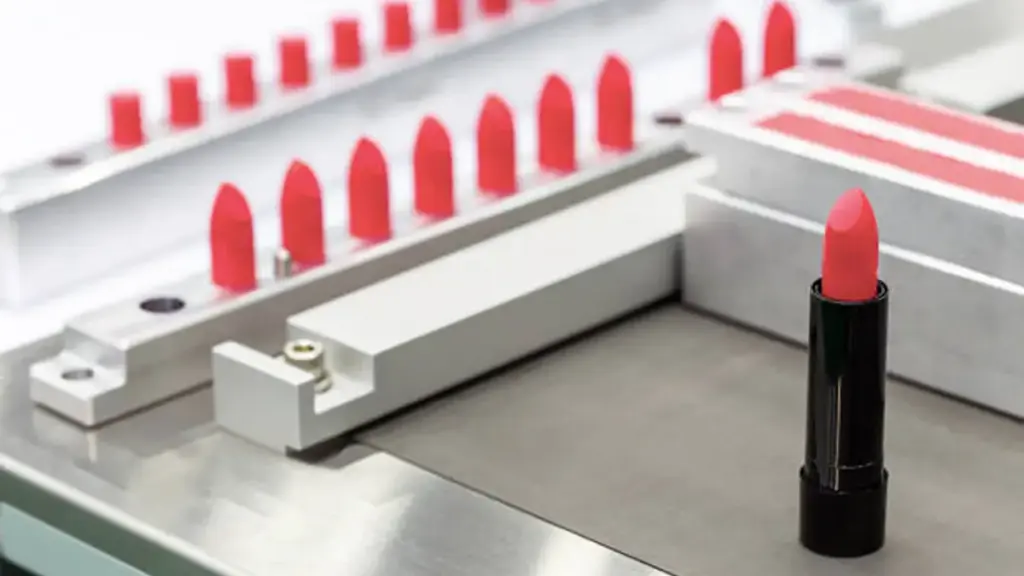
What’s in the lipstick is only half the battle; how it’s made is just as critical. Careful control of heating, mixing, and cooling parameters is essential for achieving consistent lipstick quality. A sloppy cooling profile creates a weak or grainy crystal structure that’s prone to failure.
On the production line, details like mold temperature and post-molding processes like flaming (briefly melting the surface for gloss) are dialed in to create a stable, smooth surface that resists sweating.
Finally, stability testing helps verify that the formula and manufacturing process can maintain consistent performance over time. Products are evaluated under conditions such as temperature cycling, high humidity, and light exposure to identify potential stability issues before launch.
Launch Your Private Label Makeup Line Faster
How Brands Ensure Long-Term Lipstick Performance
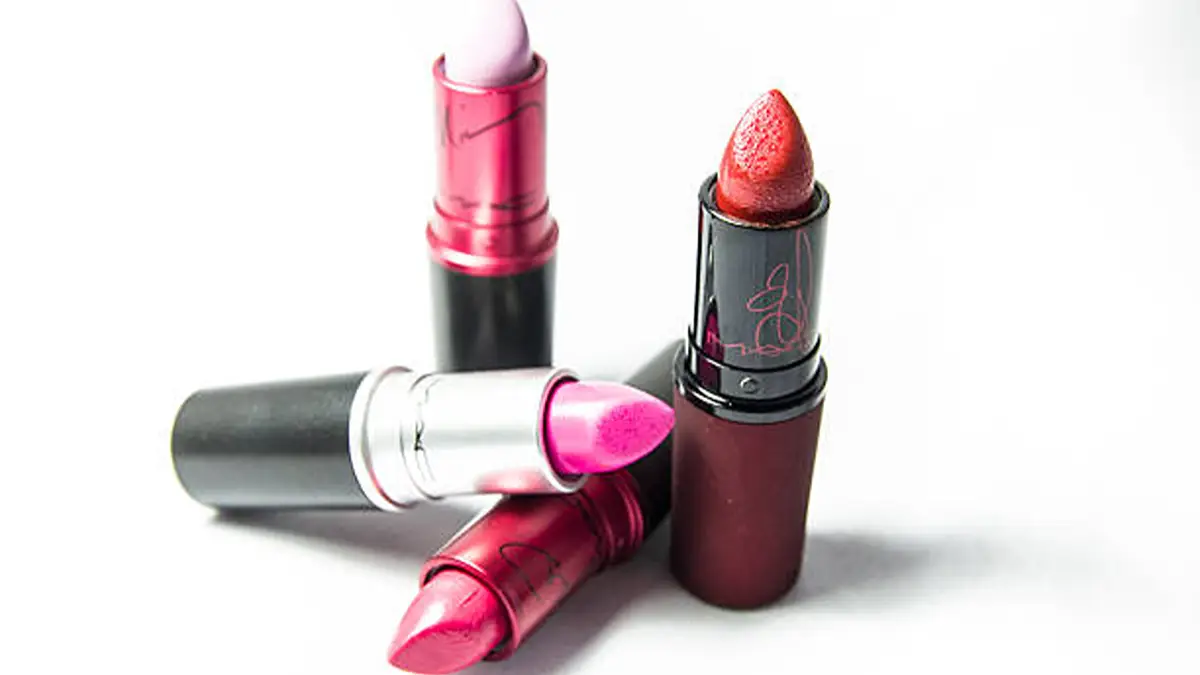
Brands ensure lipstick stability by designing robust formulas and packaging upfront, then validating performance with aggressive temperature and stress testing to predict real-world shelf life.
Proactive Design in Formulation and Packaging
Long-term lipstick performance starts with careful formulation and packaging design. The core challenge is creating a product that can withstand temperature swings, shipping vibrations, and repeated use without failing. This is managed through a tight focus on both the formula itself and its protective packaging.
- A Stable Formula Matrix: Formulators carefully balance the wax, oil, and pigment blend. Too much oil or not enough high-melting-point wax leads to a soft stick that deforms or “sweats” in the heat. Too much hard wax makes the lipstick brittle and prone to snapping. The goal is a stable crystal structure that holds everything together across different climates.
- Oxidation Prevention: The oils and fats in a lipstick can go rancid over time, causing an off-smell (like old crayons) and color shifts. Brands manage this by selecting more stable, oxidation-resistant oils and incorporating antioxidant systems, such as tocopherols (Vitamin E), to stop this degradation before it starts.
- Engineered Packaging: The lipstick case is more than a container; it’s a micro-environment. Packaging materials are chosen for their compatibility with the formula to prevent oils from being absorbed into the plastic. Effective seals and opaque components act as barriers, shielding the product from light exposure and moisture loss that would otherwise degrade it.
Rigorous Stability Testing to Verify Performance
Once a formula and package are designed, they undergo a battery of tests to confirm they can survive the real world. These tests simulate common storage and transportation stresses to help evaluate how the product may perform over time.
- Accelerated Aging: Lipstick samples may be stored under elevated temperature conditions, such as 45°C, for a defined period to evaluate potential changes in texture, odor, appearance, and stability. Results are usually combined with other stability tests to support shelf-life evaluation.
- Thermal Cycling: Samples are exposed to repeated temperature changes based on the manufacturer’s stability testing protocols. This helps identify potential issues such as cracking, sweating, or phase separation during transportation and storage.
- Systematic Evaluation: At set intervals during testing, technicians pull samples and meticulously evaluate them against a baseline. They check for any changes in color, texture, odor, and mechanical strength. This data-driven process ensures the final product remains within its quality specifications from the first day to the last.
Frequently Asked Questions
What are the most common stability issues with lipsticks?
Lipsticks face several common stability problems. These include “sweating” or oil droplets appearing on the surface, a white film called “bloom” from wax crystallization, and a gritty texture from large crystals forming. They can also become too soft and break, separate into oily and waxy layers, or experience color fading. Changes in smell, particularly a rancid or crayon-like odor, indicate oil degradation.
Why does my lipstick have a weird crayon smell over time?
A crayon-like smell is a classic sign that the oils and fats in the lipstick are oxidizing, a process known as rancidity. Exposure to air, heat, and light accelerates this breakdown. As the product ages, this smell becomes stronger and indicates the lipstick is degrading. If the smell is new and accompanied by changes in texture or color, it’s best to discard the product.
What causes a white film or powder to form on lipstick?
A white film on a lipstick bullet is usually “wax bloom.” This happens when waxes in the formula migrate to the surface and recrystallize, often due to temperature fluctuations during shipping or storage. It is generally harmless and can often be wiped away. This is different from mold, which would appear as fuzzy spots and have a distinct musty odor.
How do factories test if a lipstick will break easily?
Factories test lipstick breakage strength with a specialized instrument like a texture analyzer. The lipstick bullet is held in a fixture, and a probe or blade applies a controlled, increasing force until the stick snaps. The machine measures the peak force required to break it. This data helps ensure the formula is robust enough for daily use but still applies smoothly.
How long do lipsticks stay chemically stable on shelves?
Unopened, a lipstick is typically stable for 1 to 3 years. Once opened, its recommended lifespan is about 1 to 2 years. Stability depends heavily on the formula, packaging, and storage conditions. A lipstick is no longer considered stable if its smell, color, or texture changes noticeably. Cool, dry storage away from direct sunlight helps preserve it.
What stops the oils in lipstick from going bad?
Formulators add antioxidants to the lipstick’s oil and wax base to prevent it from going rancid (oxidizing). Common synthetic options include BHT and BHA. In formulas positioned as “natural,” formulators often use tocopherols (Vitamin E) and rosemary extract. These ingredients work by neutralizing free radicals, which significantly slows down degradation and preserves the lipstick’s freshness.
Réflexions finales
Choosing the right lipstick manufacturer involves more than comparing costs. Formula stability, production control, and quality testing are essential for consistent product performance.
As an experienced OEM/ODM cosmetics manufacturer, we help brands develop customized lip products through formula optimization, packaging support, and controlled production processes. Request samples to evaluate texture, appearance, and overall quality before mass production.

 French
  English
  Arabic
  Dutch
Dutch  Portuguese
  Russian
  Spanish