
Creating a custom lip gloss formula requires balancing shine, texture, wear, and stability. If the formula is not properly balanced, the finished gloss may separate, feel too sticky, or allow pigments and shimmer to settle during storage.
This guide covers the main formulation decisions involved in developing a stable, high-performance lip gloss. It looks at emollients, film-formers, texture modifiers, and viscosity control, as well as the steps used to improve pigment suspension and prepare a formula for production.
What Makes a Great Lip Gloss Formula?
A well-designed lip gloss formula combines high shine with a comfortable, non-sticky feel. The base should provide good slip and conditioning while remaining stable without separating or losing its intended appearance.
Key Performance and Sensory Qualities
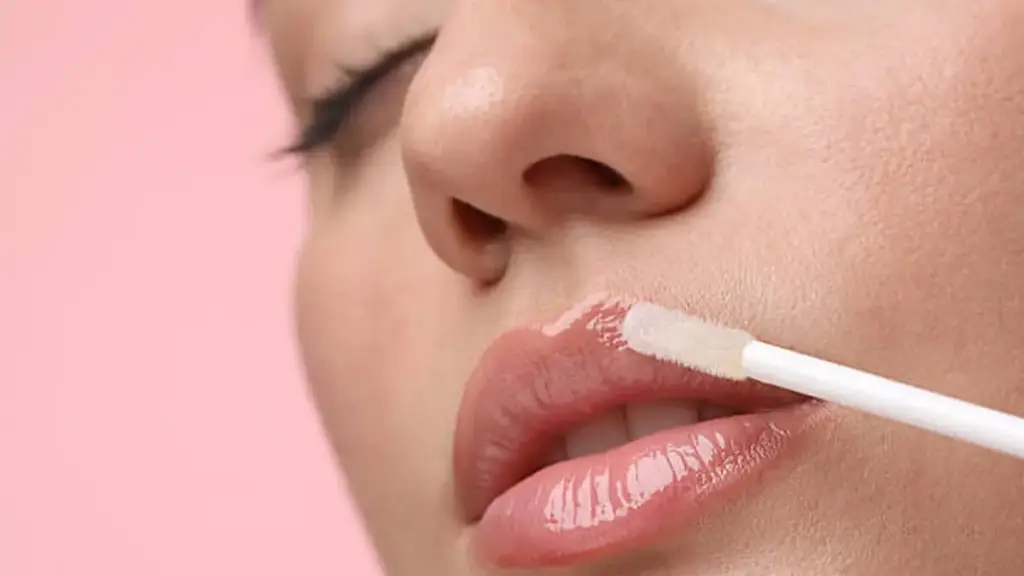
The defining trait of a good lip gloss is the balance between visual impact and on-lip comfort. For high-shine products, formulators often use oils such as castor oil because they provide good gloss, body, and adhesion. Additional shine and visual dimension can come from the overall oil blend and reflective pigments. For extra dimension, formulators add pearls and micas. The real challenge is making this glossy film feel good. Consumers expect a cushioned, non-sticky texture that glides on easily but doesn’t feel heavy or stringy. A medium-to-high viscosity is often preferred for classic glosses because it flows under applicator pressure while still having enough body to stay on the lips.
Performance extends beyond the initial application. While gloss isn’t expected to last as long as a matte lipstick, it still needs to offer a reasonable wear time of a few hours without constant reapplication. This longevity comes from film-formers and optimized viscosity. There’s a fine line here; a formula that’s too thin wears off quickly, while one that’s too thick becomes uncomfortably tacky. Some formulas also provide a more conditioning feel, helping lips feel smoother and more comfortable during wear. This is especially important for lip oil glosses and other products positioned around comfort and nourishment.
Core Ingredients and Formula Stability
Many traditional lip glosses use an oil-rich or anhydrous base, with viscosity controlled through polymers, waxes, or oil-gelling systems. The foundation is the oil phase, which provides shine, slip, and a solvent for pigments. Castor oil often serves as the workhorse and backbone of the formula, delivering intense gloss and body. To perfect the feel and cut down on potential stickiness, formulators layer in lighter, more slippery esters like hydrogenated polyisobutene. These ingredients fine-tune the texture, making it feel more luxurious and less tacky.
Because these formulas are often low-wax or wax-free, they depend on a gelling or thickening system to create their signature texture. Ingredients such as Polyglyceryl-3 Beeswax (Cera Bellina) can help build a smooth oil gel and improve the consistency of an anhydrous formula. The resulting structure can also help maintain a more even distribution of pigments and pearls during storage. Finally, stability is another key consideration. The formula must resist lip gloss separation, oil weeping, or unwanted viscosity changes when exposed to heat or cold. It also has to be compatible with its packaging, ensuring it won’t leak or react with the plastic components over its shelf life.
Step 1 Define Your Product Positioning
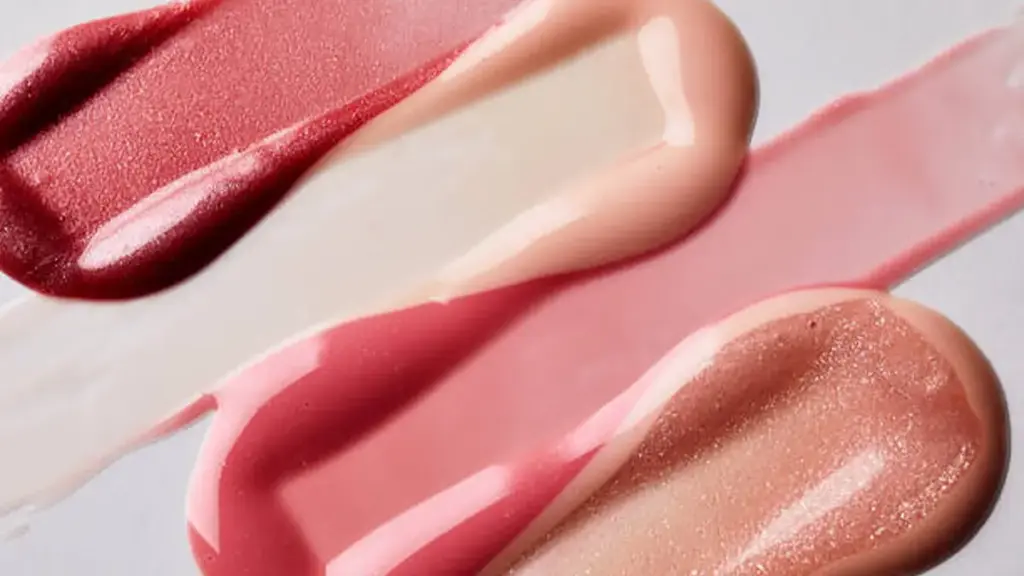
Before formulation begins, define the target customer, product position, and primary performance goals. These decisions influence the choice of ingredients, texture, finish, wear, and testing requirements later in development.
Product positioning directly affects the formulation strategy. Different gloss formats place different demands on shine, comfort, wear, sensory effects, and ingredient selection. Each type of gloss serves a different customer with a different expectation. You’re making a specific bet on what matters most to them, whether it’s visual impact, comfort, a cosmetic effect, or longevity. Each choice comes with a technical trade-off that you have to solve in the lab.
High Shine
This is the classic, attention-grabbing gloss. The entire formula is engineered for maximum light reflection from the moment of application.
- Core Promise: The main goal is to deliver a mirror-like or ‘vinyl’ finish that reflects as much light as possible.
- Target User: Appeals to trend-focused customers looking for immediate visual impact and the popular ‘glass lips’ look.
- Key Trade-off: You have to balance intense glossiness against shorter wear time and potential stickiness, which requires a very precise formulation.
Lip Oil Gloss
This type of product combines the appearance of a lip gloss with a more conditioning, oil-rich feel. Comfort is usually prioritized, while shine remains an important secondary benefit.
- Core Promise: It’s a ‘treatment-meets-makeup’ hybrid that prioritizes lip nourishment and comfort.
- Target User: Built for the skincare-conscious consumer who prefers a comfortable, non-sticky feel over extreme shine.
- Key Trade-off: It offers moderate shine and absorbs over time like an oil, often meaning more frequent application is needed.
Plumping Gloss
This is a functional product designed to create a specific cosmetic effect. The sensory profile is an important part of the user experience and should be balanced with the intended plumping effect.
- Core Promise: The product is designed to create the appearance of fuller, more defined lips. Depending on the active system used, some plumping formulas may produce a noticeable tingling, warming, or cooling sensation.
- Target User: It attracts people who want the look of fuller lips without committing to cosmetic procedures.
- Key Trade-off: The tingling sensation isn’t for everyone. The formulation must balance the plumping effect with user comfort to avoid being unpleasant.
Long-Wear Gloss
Here, the primary technical challenge is endurance. The formula must be robust enough to maintain its look with minimal maintenance from the user.
- Core Promise: It provides extended wear time, maintaining its color and shine with less fading or transfer.
- Target User: This format is aimed at consumers who want longer wear and less frequent reapplication during everyday activities.
- Key Trade-off: The film-forming ingredients required for longevity can sometimes feel less emollient. They must be carefully balanced with conditioning agents to avoid a dry feel.
Launch Your Next Bestselling Makeup Line
Step 2 Select the Right Base Ingredients
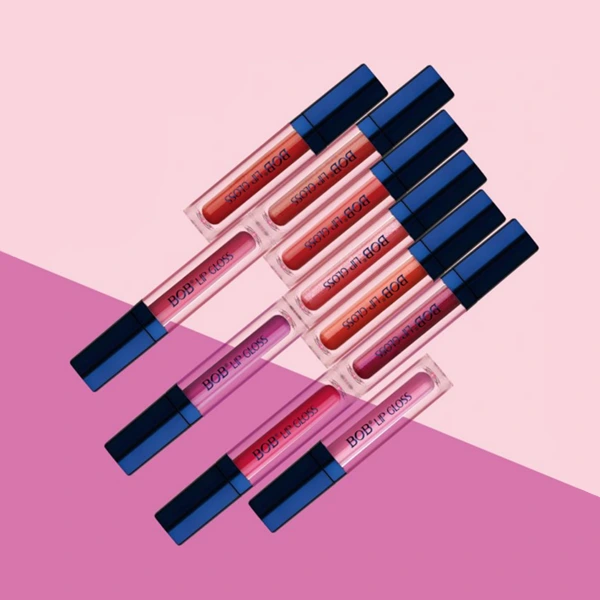
A lip gloss base is built from lip gloss ingredients such as emollients for slip, film formers for wear, and texture modifiers for viscosity.
This combination dictates the product’s final feel and performance.
A lip gloss formula typically combines three main ingredient groups. The choice and balance of these ingredients influence the product’s shine, texture, viscosity, spreadability, and overall stability.
| Tipo de ingrediente | Primary Role | Common Examples |
|---|---|---|
| Emolientes | Provide slip, spreadability, shine, and a comfortable feel. They also help pigments and micas distribute evenly through the formula. | Castor oil: Provides high shine and body. Lighter oils and esters: Create a thinner, more fluid feel. Butters: Add richness and cushion. |
| Film Formers | Create a continuous film on the lips that can improve adhesion, wear, shine, and resistance to migration. | Film-forming polymers: Selected according to the desired wear, adhesion, and sensory profile. |
| Structuring & Viscosity Modifiers | Build body, control flow, increase viscosity, and help maintain pigment or shimmer suspension. | Polyamide-3: Helps build viscosity and structure in suitable gel systems. Waxes: Add structure and consistency. Oil-gelling agents: Help create a stable gel network. |
Step 3 Optimize Texture and Viscosity
Texture and viscosity strongly influence how a gloss applies, feels, and performs during wear. It dictates the entire user experience—from stickiness and glide to making sure your pigments don’t sink to the bottom of the tube.
Reducing Stickiness
Excessive stickiness or stringiness can make a lip gloss uncomfortable to wear. The formulation therefore needs to balance high shine and cushion with a smoother after-feel. This usually involves adjusting the ratio of film-formers, polymers, and emollients.
- Balance higher-tack film-formers such as polybutene with lower-tack emollients such as hydrogenated polyisobutene to reduce tack while maintaining shine.
- Incorporate lightweight, low-viscosity esters and oils such as coco-caprylate/caprate. They increase slip and disrupt the polymer interactions that cause tackiness.
- Add sensory modifiers like silicone elastomers. These provide a cushioning effect and can mask any residual tackiness for a smoother, more comfortable feel on the lips.
Improving Spreadability
A good gloss should glide on effortlessly without dragging or feeling pasty. The product needs to flow easily from the applicator but have enough body to stay put once it’s on the lips.
- Formulate with a blend of low, medium, and high-viscosity oils and emollients. This creates a layered system that applies easily but forms a stable, comfortable film.
- Use gelling agents to create a shear-thinning texture. This means the gloss is thick in the tube but thins out during application for a smooth, even swipe.
- Adjust the formula’s yield stress and overall rheological profile so it flows smoothly from the applicator without excessive dragging or migration into fine lines.
Suspension Stability
If your gloss has pigments or shimmer, they need to stay evenly distributed. When pigments or shimmer settle at the bottom of the tube, the product can develop an uneven appearance and inconsistent color distribution. Maintaining the right rheological structure helps reduce this risk.
- Create a three-dimensional gel network in the oil phase using gelling agents, waxes, or high-viscosity polymers. This structure physically traps and suspends pigments and pearls.
- Ensure the viscosity at rest is high enough to counteract gravity. This prevents heavier particles from sinking and lighter ones from floating over the product’s shelf life.
- Use surface-treated pigments that are compatible with the oil base. This ensures they disperse evenly during manufacturing and resist clumping or settling later on.
Step 4 Add Functional and Sensory Ingredients
Functional ingredients like botanical oils and vitamins are added for feel and stability, but their main job is often to support a marketing story without compromising core performance.
Botanical Oils
Botanical oils can contribute to the gloss’s slip, shine, and conditioning feel. Formulators use oils like castor, jojoba, and avocado to improve slip and give the gloss a conditioning texture. Heavier oils, particularly castor oil, create a stable and viscous base perfect for high-shine products. Lighter oils and esters are then blended in to cut the stickiness and make the gloss spread more easily.
Hyaluronic Acid
Hyaluronic acid is not typically used as the primary structuring ingredient in an oil-based lip gloss. If a brand wants to include HA for a hydration or plumping claim, the formulator needs to select a grade that is compatible with the formulation system and evaluate its dispersion and stability. Any finished-product claim should also be supported by appropriate evidence.
Vitamins
Vitamin E (tocopherol) is commonly used in lip gloss as an antioxidant. It helps protect susceptible oils from oxidation and can also support the product’s conditioning story. It is typically used at relatively low levels, with the actual concentration determined by the formula and supplier recommendations. Its presence can also support conditioning-focused product positioning, provided that the finished-product claims are appropriate and substantiated.
Step 5 Test and Scale Up Production
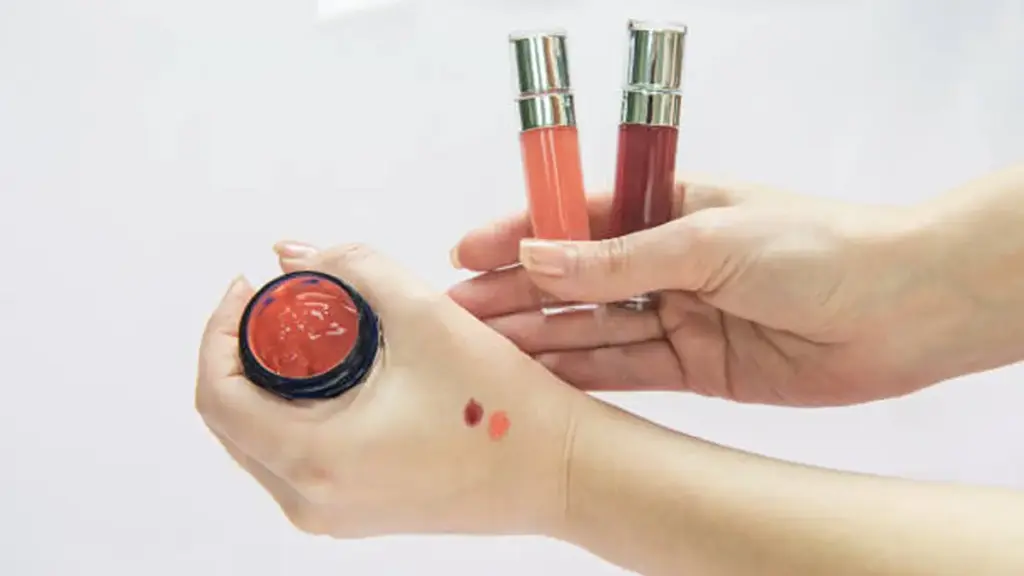
A formula isn’t finished until it’s proven stable and manufacturable. This phase confirms the gloss can be made consistently without separating, changing color, or failing in its packaging.
Conduct Lab-Scale Stability and Performance Tests
Before any large-scale commitment, formulators may validate the formula in small lab batches, often starting with tens to hundreds of grams depending on the development process. The goal is to lock down the process and confirm the product is robust. We test for sensory performance—does it glide without dragging, deliver the right color payoff, and feel comfortable, not sticky? All ingredients should be reviewed for safety, permitted use, and regulatory compliance in the target markets.
Stability testing is an important part of lip gloss development, including for anhydrous formulas. Samples are evaluated under different storage conditions to identify changes that could occur during transportation, storage, and normal use.
- Accelerated Temperature Testing: Samples may be stored at elevated temperatures, such as around 40°C or another condition selected for the product, to accelerate potential changes. This can help identify issues such as softening, oil separation, viscosity shifts, or color instability.
- Freeze-Thaw Cycles: We cycle the gloss between cold and room temperature to check for wax crystallization or graininess, which ruins the texture.
- Packaging Compatibility: The formula is tested in the final intended packaging—a doe-foot tube, squeeze tube, or pot. We check for potential interactions between the formula and packaging components, including changes in the plastic, leakage, seal performance, and the ability of the wiper and applicator to dispense the intended amount of product.
A formula passes when it shows no significant changes in viscosity, color, or texture. If it fails, we go back and adjust the gelling agents, waxes, or oil blend to fix the problem.
Execute Pilot Batching and Transition to Full-Scale Production
Once lab tests are passed, the formula moves to a pilot batch. This intermediate batch bridges the gap between laboratory samples and full-scale production, typically moving the formula from grams to kilograms, such as a 1–5 kg pilot batch. We use equipment that mimics the large manufacturing tanks, like jacketed kettles and low-shear mixers. This allows us to verify that the formula behaves the same at a larger volume. Heating and cooling times are longer, which can affect texture, so we optimize mixing speeds and temperature controls to match the lab standard.
With a successful pilot batch, we transition to full-scale production. This involves creating and locking down Standard Operating Procedures (SOPs). These documents detail every step—the exact order of adding ingredients, mixing speeds, heating and cooling temperatures, and hold times. In-process quality controls are established to check viscosity and pigment dispersion during manufacturing. This ensures every batch is consistent, from the first tube filled to the last.
Why Work With an Experienced Lip Gloss Manufacturer?
For custom brilho labial projects, manufacturing capability matters just as much as the formula itself. Siloran combines formulation development with large-scale cosmetic production, giving brands a more direct path from approved sample to finished product. The company operates a 40,000-square-meter production facility with dedicated workshops for lip makeup, powder products, daily chemicals, spraying, and batching. Its R&D team supports formulation development and sample refinement, while automated filling, capping, cooling, and packaging equipment helps maintain consistency during production. Siloran also operates a GMP 100,000-grade clean workshop and follows GMP and ISO 22716 quality-management requirements for cosmetic production. This infrastructure supports OEM customization across color cosmetics, including lip gloss, while allowing brands to move from small-batch development to repeatable commercial production with defined quality controls.
How Manufacturers Develop Private Label Lip Gloss Formulas
Private label lip gloss development starts with a clear product brief and continues through formulation, sample evaluation, compliance review, and production approval. The brand’s requirements help guide the formula from the first prototype through the final manufacturing specification.
Defining the Formula: From Brand Brief to Base Chemistry
The process begins with a brand brief covering the target market, price point, desired finish, texture, wear, color, and other product requirements. The brief should also identify specific claims or formulation preferences, such as vegan, paraben-free, plumping, or conditioning.
These requirements influence the choice of oils, film-formers, structuring agents, pigments, and sensory ingredients. A brand may start with a manufacturer’s existing base and customize it, or develop a more tailored formula when the desired performance cannot be achieved with a stock option.
Once the brief is clear, cosmetic chemists build the formula around the product’s intended performance. A typical anhydrous lip gloss system may include:
- The Base System: A blend of emollients for shine and slip, film-formers for adhesion and wear, and structuring agents or gelling systems for viscosity and stability.
- Pigments and Effects: Lip-safe pigments, micas, and pearls are selected according to the required color, opacity, shimmer, and finish.
- Functional and Sensory Ingredients: Conditioning oils, butters, antioxidants such as vitamin E, and suitable plumping or sensory ingredients may be incorporated to support the product concept.
From Prototype Samples to Brand Approval
Once the initial formula is prepared, manufacturers typically produce laboratory samples for evaluation. This stage gives the brand an opportunity to evaluate the gloss samples for color, shine, texture, spreadability, tackiness, and overall sensory profile.
Feedback from the brand can then be used to refine the formula. For example, a brand may request a thinner texture, stronger shine, less tack, greater color payoff, or a different shimmer effect. The formulation team adjusts the ingredient balance and prepares revised samples until the product meets the agreed specifications.
Before commercial production, the approved formula is reviewed against the requirements of the intended markets and packaging. Stability and compatibility testing can then be completed as part of the product validation process.
Once the formula and specifications are approved, the manufacturer can transfer the finalized formulation and production parameters into the established manufacturing process. This provides a clear reference for future batches and helps maintain consistency as the product moves into commercial production.
Frequently Asked Questions
How do factories create a custom lip gloss formula?
Factories begin with a brand brief covering the desired finish, feel, color, target market, and other product requirements. Chemists then select the appropriate oils, structuring agents, film-formers, pigments, and other ingredients for the formula. They produce lab samples and test each for stability and packaging compatibility. Once approved, the formula is scaled for full production. Brands can customize a factory’s stock formula or develop a unique one.
What gives lip gloss a high-shine, reflective finish?
A glass-like shine comes from a combination of the oil phase, film-forming system, and a smooth, uniform surface. Reflective pearl pigments can add additional sparkle or dimension. For added sparkle, formulas include reflective pearl pigments made from mica or synthetic alternatives. Certain emollients and clear oils also contribute to the “wet look” by helping the film spread evenly.
How is a sticky lip gloss formula fixed in the lab?
Stickiness can result from an imbalance between high-tack film-formers, emollients, polymers, and structuring agents. To correct this, chemists reduce the amount of the sticky ingredient and add lighter, smoother oils and esters that improve glide. Adjusting the ratio of structuring agents also helps create a cushioned feel without tackiness.
Can a long-lasting vegan lip gloss be custom-made?
Yes. A long-lasting vegan lip gloss can be developed by using plant-based or synthetic alternatives to animal-derived structuring ingredients. Candelilla and carnauba waxes are two options, while the final formula still needs to meet the desired wear, feel, stability, and regulatory requirements. Color comes from vegan-friendly pigments like iron oxides. A blend of plant-derived oils and modern film formers provides a comfortable, high-shine finish that lasts.
How is a lip gloss formula scaled up from the lab to a factory tank?
The process is done in stages. First, formulators create a medium-sized pilot batch to adjust for differences in heating, cooling, and mixing at a larger scale. Once the pilot batch meets the defined specifications for color, shine, texture, and other key performance attributes, the process can be transferred to full-scale production.
How do you suspend glitters evenly in clear lip gloss?
To keep glitter from settling, the clear base must be thick enough to hold the particles in suspension. Formulators use a viscous, gel-like base and select fine, lightweight cosmetic-grade shimmer. The glitter is stirred in slowly and gently to distribute it evenly without trapping air bubbles that could cloud the gloss.
Considerações finais
A successful lip gloss line isn’t built on guesswork or generic stock formulas. The formulation process outlined here—from ingredient selection and rheology to stability and scale-up—helps reduce avoidable product and production risks. Skipping these steps can increase the risk of instability, inconsistent batches, packaging problems, customer complaints, and costly reformulation or corrective action.
Once the performance targets and product requirements are defined, the next step is to develop and evaluate lab samples against those specifications. Entre em contato com nossa equipe to discuss your project brief and request lab samples based on your exact performance targets.