
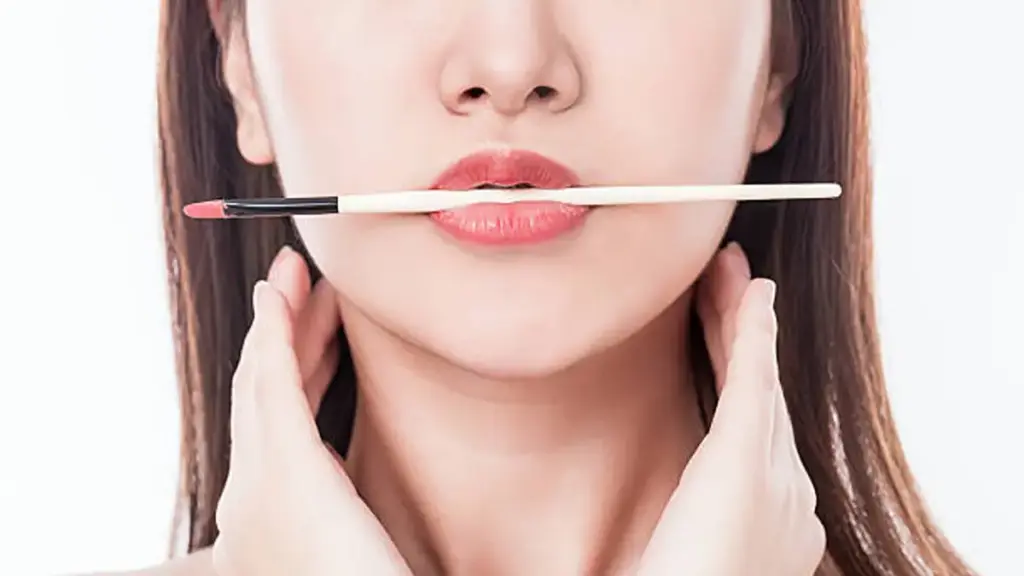
Selecting the right lip liner texture is an important manufacturing decision because it affects application, core stability, and breakage resistance. A formula with poor core stability leads to breakage during shipping or application, driving up customer complaints and eroding profit margins.
This guide compares hard wax, gel, and cream formulas based on core stability, breakage resistance, and application feel. The formula has to balance structure and glide: firmer systems generally offer more control, while softer formulas provide easier application. The packaging then needs to support that formula and the way the liner is dispensed.
Why Lip Liner Texture Matters
Lip liner texture affects both how the product feels on the lips and how it performs during application and wear. A waxy formula creates a barrier and sharp lines, while a creamy one offers comfort and blendability.
How Texture Affects Performance
A liner’s texture directly controls what it can do for you. A firmer, well-balanced formula can help create cleaner edges and better wear, while a softer formula may prioritize glide and blend-ability.
- A waxy or firm texture can create a defined barrier that helps reduce the tendency of lipstick to feather into fine lines around the mouth.
- The liner’s consistency provides an anchor for lipstick, helping it adhere to the lips longer and fade more evenly.
- Firmer formulas allow for sharper, more controlled lines, which is essential if you’re reshaping your lips or correcting asymmetry.
- Creamier textures blend easily, making them a good fit for filling in the entire lip as a colored base under another product.
The Balance Between Comfort and Durability
Softer, creamier liners feel more comfortable and flexible on the lips, especially during constant movement like talking. They don’t feel tight or restrictive.
Long-wear gel-style formulas can provide good durability and smudge resistance, although their texture and firmness vary by formulation. The trade-off is that they can sometimes feel drier on the lips.
The right texture really depends on the job. You’re always trading some blendability and comfort for longevity and a sharp, budge-proof line. Decide what matters more for a specific look and choose from there.
Common Lip Liner Texture Types
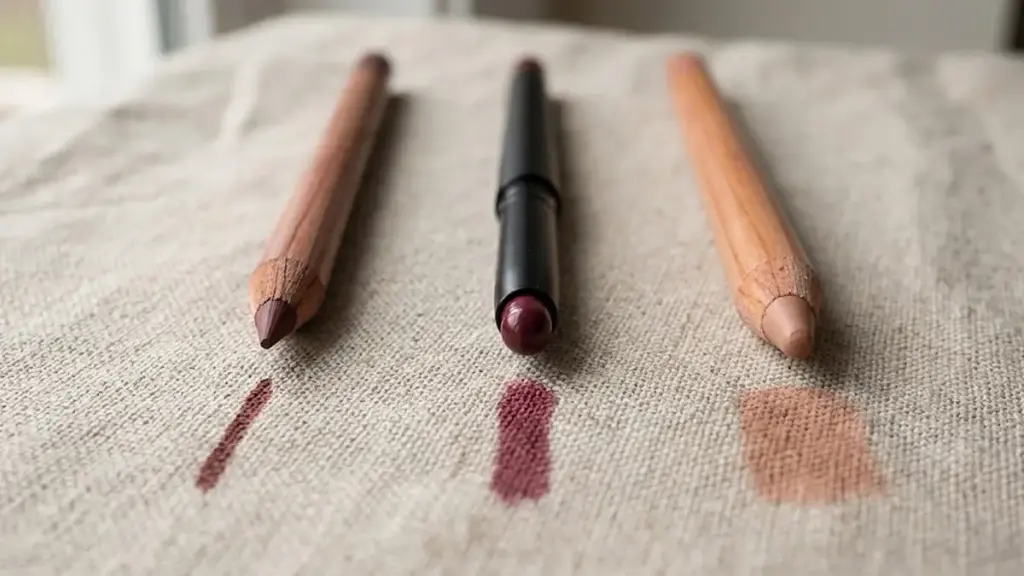
Lip liner texture is a trade-off: hard wax offers precision, gel delivers smooth long-wear color, and cream provides a comfortable, blendable feel for daily use.
Lip liner performance isn’t just about color; it’s dictated by texture. The balance of wax, oil, and polymers in the formula determines everything from the sharpness of the line to its staying power and comfort. Each type is engineered for a different job.
Hard Wax Lip Liners
Hard wax liners are designed for structure and control. A firmer wax structure gives the core enough strength to hold its shape and maintain a sharp point after sharpening. The focus is on maintaining enough structure for controlled, precise application.
- Precise Application: The firm core can be sharpened to a fine point, giving users better control when defining the lip border or reshaping the appearance of the lips.
- Feathering Control: Its firmer wax structure can help create a barrier that reduces the tendency of lip color to migrate into fine lines around the mouth.
- Wear and Definition: A firmer formula can provide strong color definition and good wear, while the final finish depends on the balance of waxes, oils, pigments, and other formula components. The trade-off is that it can feel draggy or dry on unprepared lips.
Gel Lip Liners
Gel liners prioritize a smooth, high-impact application. Gel-style liners often combine a softer wax-and-oil base with silicones or film-forming ingredients to improve glide, color payoff, and wear.
- Smooth Glide: The softer gel-like texture can reduce drag during application, making it easier to create an even line with less pressure.
- High Color Payoff: Many gel-style formulas are designed to provide strong color payoff and even pigment deposition with minimal pressure. Once the formula sets, film-forming ingredients can improve wear and smudge resistance.
- Fast-Setting Formula: While excellent for creating bold, lasting looks, the quick-setting nature means you have less time to blend or correct mistakes.
Cream Lip Liners
Cream liners use a softer formula to provide more glide and easier blending than firmer wax-based liners. Cream liners typically use a softer balance of oils, emollients, and waxes to make the product easier to apply and blend.
- Comfortable Application: The formula has a buttery, soft texture that feels comfortable and doesn’t drag, making it suitable for daily wear and applications where a softer, more comfortable feel is preferred.
- Versatile Use: This texture is soft enough to easily blend and smudge, so it works just as well for filling in the entire lip as it does for lining the border.
- Satin Finish: It typically provides a soft-matte or satin finish. While more comfortable, it has less wax to act as a barrier, so it’s not as effective at preventing feathering as a hard wax formula.
Create High-Performance Private Label Lip Liners
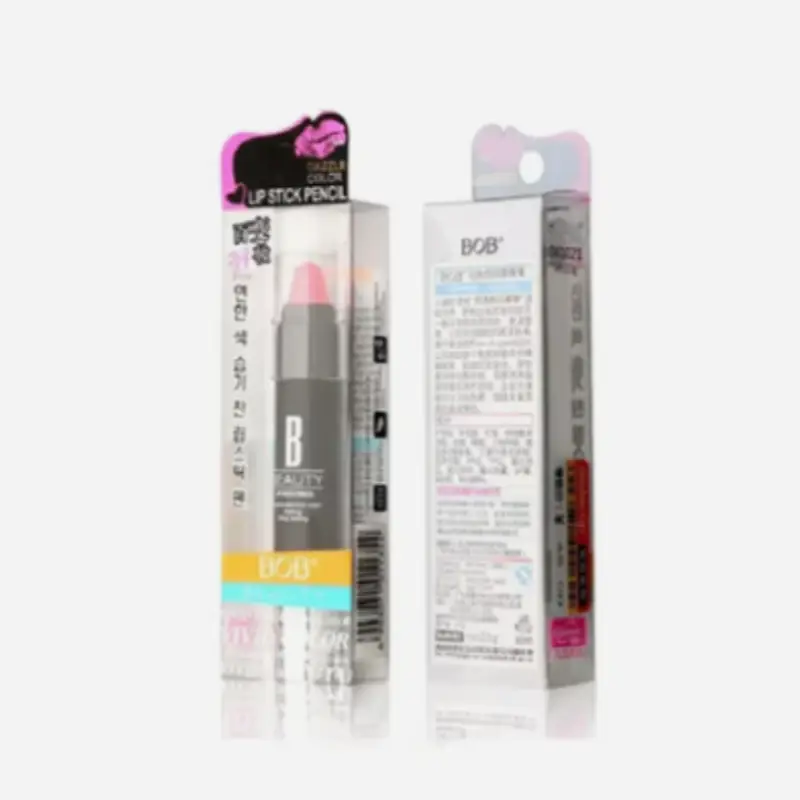
Choosing the Right Packaging for Lip Liners
The packaging needs to match the liner format and protect the product during storage, shipping, and use. Each style—wooden, twist-up, or slim mechanical—requires a specific solution to protect the product and align with its design de embalagem and branding.
Sharpenable Wooden Pencils
These liners are typically packaged in straight, pencil-length cartons. The carton should hold the pencil securely and limit movement during shipping and handling, helping reduce the risk of impact damage and core breakage. The carton should use a suitable paperboard grade and construction to help protect the pencil during shipping and handling. A snug fit is also important because it preserves the pencil’s shape and prevents scuffing on its printed exterior. This packaging format is the standard for products emphasizing a classic application and cost-effective production.
Twist-Up Lip Liners
For twist-up liners, the packaging must support the mechanical dispensing system while keeping the product stable. The outer carton should be sized to minimize excessive internal movement and help protect the twist mechanism from impact during handling and shipping. This format is commonly chosen when convenience, quick application, and a modern product format are key selling points. It protects the plastic or composite barrel and reinforces the product’s ease of use.
Slim Mechanical Pencils
This format requires packaging with precise internal dimensions. Because the barrel is narrow, excessive movement inside the carton can increase the risk of scratches or other damage during handling. A narrow-format box also improves portability and makes shelf organization easier, especially for product lines with many shades. Protective packaging is critical here to preserve both the delicate mechanism and the product’s visual finish. This option is best for products that emphasize precision, a streamlined look, and portability.
Manufacturing Considerations for Different Lip Liner Types
Lip liner manufacturing requires a balance between core stability, breakage resistance, and application performance. Every formula must manage core stability, prevent breakage, and deliver smooth application, with different trade-offs for each fabricação de maquiagem process.
| Lip Liner Type | Core Stability | Breakage Resistance | Smooth Application Performance |
|---|---|---|---|
| Wooden Pencil | The core relies on a structured wax-based formula to maintain its shape during sharpening and use. | A balance of harder and softer waxes helps provide strength without making the core overly brittle. Suitable wood and component construction also help reduce cracking during sharpening. | The firmer texture prioritizes precision and control, although it may provide less glide than softer formats. |
| Automatic / Twist-up | The softer core is supported by the barrel and dispensing mechanism. Controlled cooling helps minimize shrinkage and maintain consistent core placement during production. | The component provides structural support, while the fit between the core and barrel helps reduce bending and snapping during use. | Designed for smoother application and easier dispensing, with less emphasis on creating a sharpened point. |
| Delineador em gel | Gelling or structuring ingredients help maintain the consistency of the softer formula and reduce the risk of slumping or oil separation. | Softer cores may be more vulnerable to bending or breakage when overextended, making component design and user handling important. | Often formulated for smooth glide and strong color payoff, with softer structure and less control than a traditional sharpen-able pencil. |
Core Stability
Core stability is all about the liner’s “lead” holding its shape and hardness from the factory to the customer’s lips. Core stability depends heavily on the balance of waxes, oils, pigments, and other structuring ingredients. Waxes contribute structure and temperature resistance, while oils, emollients, and other ingredients influence glide and skin feel. A traditional wooden pencil needs a tough, self-supporting core you can sharpen to a point. Softer automatic and gel-style liners require additional structural support from the barrel, mechanism, and formula system to maintain their shape and prevent excessive movement or oil separation.
Breakage Resistance
Breakage resistance is how much stress the core can take before it snaps. This applies to sharpening, twisting it up, or just pressing it onto your lips. Breakage resistance comes from balancing structural waxes with softer waxes, oils, and other ingredients that give the core enough flexibility during use. A formula that is excessively hard or lacks sufficient flexibility may become more prone to brittle breakage. The manufacturing process is just as important. Poorly controlled cooling can contribute to internal stress or dimensional changes that may increase the risk of breakage during later use. For twist-up pencils, the barrel and dispensing mechanism also play an important role in supporting the core and reducing bending during use.
Smooth Application Performance
Application performance depends on how the formula balances glide, control, and color deposition. You need a clean, uniform line without the pencil tugging at the skin or feathering out. Formulators may use emollients, silicones, and selected powders to influence glide, friction, and skin feel. Firmer wooden pencils generally provide more control, while softer gel and automatic formats prioritize glide and ease of application. Ultimately, the formula has to deposit strong, even color while still feeling comfortable on the lips.
A Manufacturing Partner for Custom Lip Makeup
For brands developing custom lip liners, manufacturing capability matters just as much as the formula itself. Siloran operates a 40,000-square-meter cosmetics factory with around 400 employees, including dedicated R&D and production teams. Its lip makeup workshop is supported by automated production and filling equipment, while the facility operates under GMP and ISO22716 standards. Siloran also supports customized cosmetics, including formulation and packaging development, sample testing, customer confirmation, and mass production. This allows brands to review the product before committing to full production and make adjustments to the formula, packaging, or other specifications during development. For private-label delineador de lábios projects, this integrated approach can help connect product performance with packaging requirements and production consistency, rather than treating each stage as a separate process.
How to Select the Right Lip Liner for Your Brand
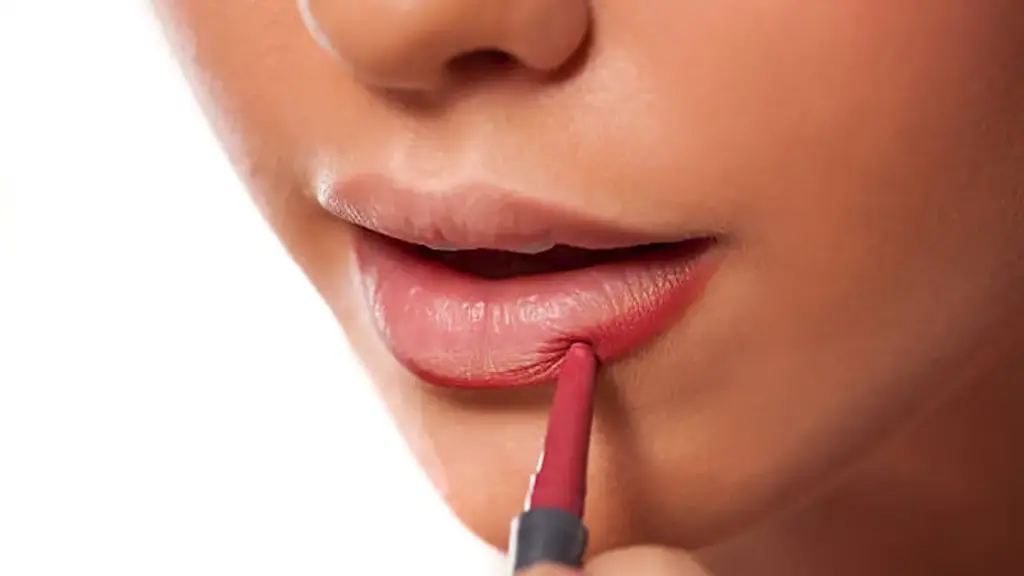
For a private-label brand, the formula and packaging should be selected together with the target customer and intended use in mind. You must align the formula, format, and shade range directly with your brand’s core identity and target customer.
Aligning Formula and Format with Brand Identity
The texture and packaging of your lip liner send a clear message about your brand. There’s no single “best” option; the right choice depends on who you’re selling to and what your other lip products promise. The decision boils down to a trade-off between precision, convenience, and comfort.
A traditional wooden pencil signals artistry and control. Its firmer, often wax-based core can be sharpened to a fine point, making it ideal for creating sharp, defined edges. This format appeals to makeup artists and consumers who prioritize precision for correcting lip shape or overlining. Wooden pencils can be a cost-efficient option when a brand needs a traditional format with a relatively simple component structure.
A mechanical or retractable liner signals convenience and a modern feel. The core is usually creamier and glides on with minimal tugging, which is a major selling point for a broader audience. This format can work well for brands that emphasize convenience, portability, and a softer application experience. For a private-label brand, the formula and packaging should be selected together with the target customer and intended use in mind. When evaluating a fabricante de cosméticos de marca própria, it is also important to consider formula flexibility, production experience, and quality standards.
The formula’s finish must also match your brand’s positioning. A matte finish can emphasize definition and long wear, making it a natural fit for brands positioned around high-performance lip products. It can also pair well with matte or liquid lip colors. It’s the workhorse for performance-driven brands. A satin or soft-matte finish can provide a more comfortable, flexible appearance and pair well with glosses, balms, or creamy lipsticks. This aligns with brands that focus on an easy, everyday sensory experience.
Developing a Strategic Shade Range and Portfolio
Your shade strategy should make it easy for customers to buy a liner alongside their lipstick. The most direct approach is creating liners that are exact matches for your hero lipstick shades. This removes guesswork and encourages bundling.
A different but effective strategy is to create a core range of versatile nudes that are one to two shades deeper than natural lip tones. These shades can work with multiple lipsticks and are perfect for creating definition or a subtle contour. This is a smart move for brands targeting trend-aware consumers who follow techniques like overlining.
Undertones are important when building coordinated liner and lipstick shades. A warm lipstick will usually pair more naturally with a warm or neutral-warm liner, while cooler lip colors often work better with cool or neutral undertones. A mismatch is jarring, especially with highly pigmented matte formulas. More forgiving satin or cream liners can hide minor undertone differences, but a cohesive look always comes from correct pairing.
If you are just starting, you don’t need a massive range. A minimalist line can be very effective if the shades are chosen well. Focus on a single, versatile texture like a soft matte and launch with a core set of shades.
- A light, medium, and deep nude to cover a range of skin tones.
- A universal pink or rose.
- A classic red with a neutral undertone.
This small portfolio covers the most common needs and provides a solid foundation. You can expand later by adding more textures for different use cases or more nuanced shades to match new lipstick launches.
Frequently Asked Questions
What are the main private-label lip liner texture types?
Private-label lip liners are commonly developed in firmer wax-based, creamy, or gel-style textures. These formulas can then be adjusted for finishes such as matte, soft-matte, or satin, along with different levels of glide, wear, and comfort. Depending on the target market, suppliers may also develop waterproof or moisturizing variations to meet specific product requirements.
What is the difference between wax-based and silicone-based lip liners?
Wax-rich formulas rely more heavily on waxes for structure and tend to provide firmer, more defined application. Silicones can be used to improve glide, spreadability, and skin feel, while some silicone-containing formulas also offer good wear and smudge resistance. In practice, many lip liners use both waxes and silicones, with the final texture depending on the complete formula.
Which lip liner texture is best for preventing lipstick from bleeding?
Firmer wax-based formulas can help create a defined barrier around the lip line and reduce the tendency of lip color to feather into fine lines. Some long-wear gel-style formulas may also help control feathering through film-forming ingredients. Clear lip liners can be useful when a brand wants an invisible-looking contour that works with multiple lipstick shades, although the final performance depends on the specific formula.
Why do some lip pencils skip or drag during application?
Skipping usually happens when a formula is too firm and dry, a common issue with long-wear matte pencils. It can also be caused by applying to dry or flaky lips, using a blunt tip, or pressing down too hard. To get a smooth application, make sure your lips are exfoliated, lightly moisturized, and the pencil is sharp.
What is a typical packaging MOQ for custom mechanical lip liners?
MOQ for custom mechanical or retractable lip liners varies by supplier, component type, packaging setup, and level of customization. Stock components with custom printing may support lower quantities, while custom colors, structural changes, or new tooling generally require larger production runs. Brands should confirm the MOQ separately for the formula, component, and outer packaging, as each stage may have different requirements.
How do factories ensure lip liner cores don’t break easily?
Manufacturers may use instrumental hardness and mechanical tests to evaluate lip liner cores and tips. Depending on the format, testing can assess properties such as hardness, firmness, bending resistance, or break force. These results help manufacturers adjust the formula and component so the liner remains stable during sharpening, dispensing, and application without becoming unnecessarily hard or brittle.
Considerações finais
Escolhendo um delineador de lábios based on price alone invites product failure and damages your brand. Consistent performance depends on matching the formula with the right component and controlling the manufacturing process carefully. This protects your reputation against customer complaints of breakage, feathering, or poor application.
Don’t guess on the final product feel—verify it. We recommend ordering samples of our core formulas to test the texture and glide firsthand. Entre em contato com nossa equipe to discuss the OEM specifications for your next launch.