
This OEM/ODM guide addresses the primary risk in cosmetic sourcing: choosing a mascara manufacturer that fails compliance or delivers inconsistent batches. A bad partner doesn’t just erode margins through recalls; it destroys brand credibility with a single faulty production run.
This analysis provides a framework for vetting suppliers. We evaluate critical checkpoints like ISO 22716 (GMP) compliance, in-house formula development capabilities, and batch-to-batch consistency protocols to help you select a reliable manufacturing partner.
Define Your Manufacturing Needs
Deciding your model (OEM vs. ODM), order quantity, and target market are the first, most critical steps. Get these wrong, and the project is already behind.
OEM vs ODM
The first decision is your manufacturing model. Choose Original Equipment Manufacturer (OEM) if you have a unique design and need full control over the product and its intellectual property. This route is best for differentiated products, but it requires a bigger investment in time and money.
Select Original Design Manufacturer (ODM) to get to market faster and more affordably. You’re rebranding an existing factory design, which works well for standard products where speed is the priority. Your choice hinges on what matters more: IP and customization (OEM) or budget and launch speed (ODM).
MOQ requirements
Minimum Order Quantity (MOQ) directly impacts your unit cost, which factories are available to you, and how much you can customize. OEM projects typically demand higher MOQs to justify the cost of custom tooling and materials. ODM MOQs are often lower because the factory is already producing the base product for other clients.
You need to balance your ideal MOQ with real-world constraints. Look at your sales forecasts, your available cash, and the number of product variations (SKUs) you plan to launch. Many factories apply MOQs per SKU, so a large product line can quickly tie up your capital.
Target market
Knowing exactly where you plan to sell is non-negotiable. Your target geography dictates mandatory compliance standards, like CE for Europe or FCC for the United States. These certifications are required for market access and must be planned from the start.
Customer expectations in that market also define the product’s required quality, features, and durability. Finally, specifying your market helps align on practical details like packaging, localized instructions, and a target price point, which in turn guides the selection of all materials and components.
Evaluate Product Development Capabilities
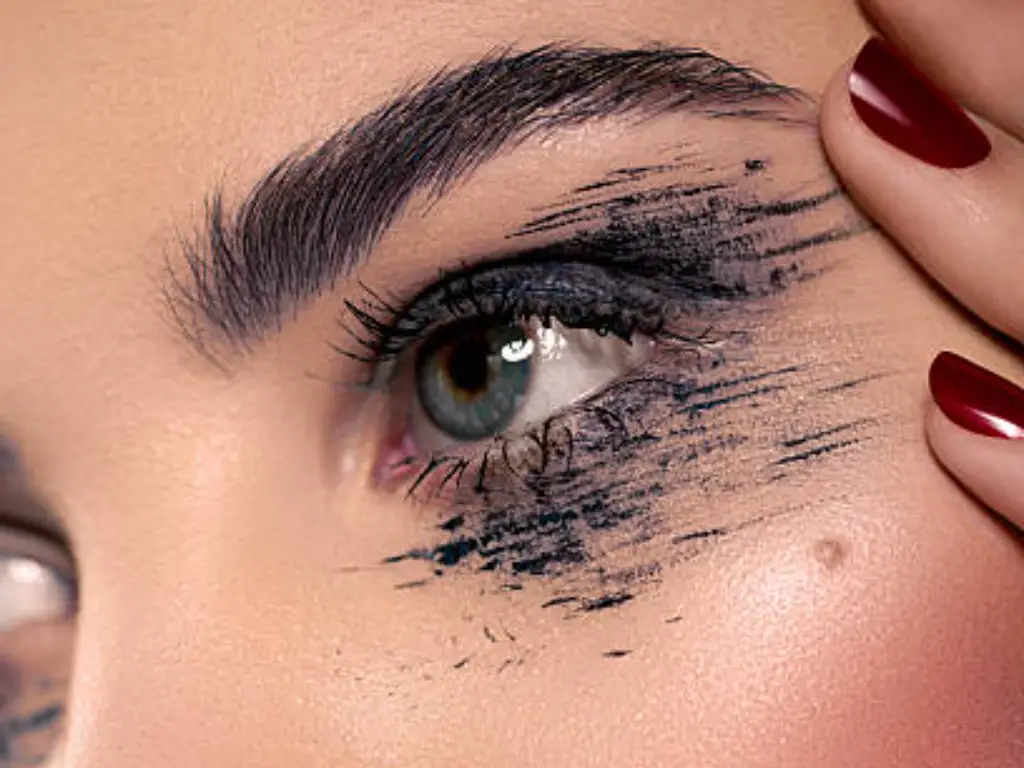
A supplier’s real value is their ability to turn an idea into a manufacturable product. This hinges on their formulation expertise, in-house R&D team, and customization flexibility.
Formula development
This is a supplier’s ability to create, adjust, or optimize your product’s core composition. They need to meet your targets for performance, safety, cost, and any regulatory hurdles. A strong partner won’t just follow orders; they’ll recommend better ingredients, help refine prototypes, and support product changes before you commit to mass production.
In an ODM model, suppliers often bring pre-existing formulas to the table. These can be customized, which significantly cuts down development time and cost compared to starting from scratch.
R&D team
A capable partner must have an in-house R&D team that can translate concepts, engineer solutions, build prototypes, and run tests. You need a team that can work from customer specifications, solve technical problems, and support both small-batch trials and large-scale production runs. Pay attention to vertical integration. When a supplier controls its base components and production process, it’s a strong signal of capability that improves consistency and shortens development cycles.
Customization options
You need to assess the key dimensions a mascara supplier allows you to customize. This includes materials, formulation, dimensions, packaging, appearance, and specific features. OEM is the right model for projects that require building from exact specifications, giving you maximum control. ODM is a better fit if you need a faster launch and lower development costs, as you are modifying an existing product platform.
Your Turnkey Private Label Cosmetics Partner
Check Manufacturing Qualifications
Verifying GMP/ISO certs, factory audits, and regulatory support capabilities are how you confirm a supplier can produce consistently and meet your market’s compliance requirements.
GMP and ISO certifications
GMP (Good Manufacturing Practice) is often mandatory for regulated products like food, cosmetics, and medical devices. It ensures the products you get are safe and consistent. ISO 9001, on the other hand, is a general quality management certification. It shows a factory has structured processes, but it doesn’t prove product-specific compliance on its own.
When you review certificates, don’t just glance at them. Verify that they are current and issued by a credible body. Most importantly, check that the scope covers the specific factory location and the exact product line you’ll be using. A certificate for a different facility is worthless to you.
Factory audits
Certifications are one thing, but an audit confirms if a factory’s daily operations actually align with its documented procedures. An effective audit reviews the entire process: production controls, facility cleanliness, equipment calibration, material traceability, and quality checks.
The goal isn’t just to find problems. It’s to identify operational gaps, assign clear corrective actions, and then follow up to ensure the factory implements the fixes and maintains compliance over time.
Regulatory support
You need to assess the supplier’s ability to provide essential documentation for market entry, like technical files, manufacturing records, and validation reports. Strong regulatory support reduces your risk of compliance failures, registration delays, and problems during customer or authority inspections.
This capability is a strong signal that the factory is experienced and knows how to navigate the specific compliance requirements of your target market. It means they’ve done this before and won’t be learning on your dime.
Assess Production Capacity
Verifying production capacity means looking past claims. Scrutinize a supplier’s equipment, lead times, and actual scalability to ensure they can reliably meet current and future demand.
Equipment
Start by getting a detailed list of the production equipment, including make, model, and level of automation. This isn’t just about having the right machines; it’s about understanding their real-world output. Any supplier can quote a machine’s theoretical maximum, or “nameplate” capacity. The number that actually matters is its effective capacity—the real output after accounting for downtime, maintenance, and product changeovers.
Flexibility is just as important as raw output. Ask for hard numbers on changeover times between different SKUs and find out the minimum economical batch size. Long changeovers kill efficiency for high-mix, low-volume orders. You also need to spot any major risks in their setup. Two big red flags are single points of failure, like a critical machine with no backup, and utilization rates consistently above 85%. A line running that hot has no buffer for unexpected problems or rush orders.
Lead times
Don’t accept a single “lead time” number. You need to break it down into specific phases: the initial lead time for a new product introduction (NPI), the standard time for repeat orders, and how it changes during a volume ramp-up. Each has different drivers and risks. To see if their estimates are realistic, ask for their on-time delivery (OTD) metrics from the last 12-24 months and drill down into the primary causes for any past delays. Excuses don’t ship product.
Look at your own bill of materials and identify the longest-lead-time components. Ask the supplier how they manage these parts—do they hold safety stock, or do they have dual-sourcing arrangements? A delay on one critical chip can halt your entire production. Finally, clarify their policy for expediting orders. You need to know exactly what triggers expedite fees or surcharges before you’re in a crisis and have no leverage.
Scalability
True scalability isn’t about vague promises; it’s about having a concrete plan. First, determine their existing headroom. Can they easily add a second or third shift? Do they have backup lines that can be brought online? A good way to test this is to present them with a ramp-up scenario. Ask them how they would handle doubling your demand in the next six months. Their answer will quickly reveal where the real bottlenecks are—in their machinery, labor, or supply chain.
Remember that a manufacturer’s capacity is limited by its own suppliers. Verify that their key sub-suppliers can scale their output in parallel with your demand. If you’re planning for significant growth, talk about contractual options. A capacity reservation agreement can secure the production space you need, ensuring you don’t get pushed to the back of the line when their factory gets busy.
Review Quality Control Systems

Quality control isn’t a single event. It’s a rigorous, multi-stage process from incoming parts to final inspection, all tied together by a formal management system.
Key Stages of Quality Inspection
A proper quality system isn’t just about checking the final product. It’s a series of inspections happening at every critical phase of manufacturing to prevent defects, not just catch them.
- Incoming Quality Control (IQC): Vets all raw materials and components from suppliers before they ever hit the production floor. This is your first line of defense against problems.
- In-Process Quality Control (IPQC): Monitors manufacturing at key production steps. This catches deviations early, which drastically cuts down on costly scrap and rework.
- Final Quality Control (FQC): The last gate before anything leaves the factory. This check verifies that finished products meet all visual, functional, and packaging specifications before shipment.
System-Level Verification and Documentation
Random checks are useless. A real QC system relies on a structured framework, hard testing data, and the ability to trace everything back to its source. It’s about process, not just inspection.
- Quality Management System (QMS): A formal QMS, typically certified to a standard like ISO 9001, provides the structural backbone for all quality activities. It’s the playbook everyone follows.
- Product Testing: Products undergo specific, documented tests for durability, environmental resistance, and safety. This confirms they meet both performance benchmarks and regulatory requirements.
- Traceability: These systems track components and production data from start to finish. This capability is non-negotiable for doing proper root cause analysis and making real process improvements.
Compare Communication and Service
OEM communication is tactical and focused on executing your design. ODM communication is strategic, covering the entire product lifecycle from concept to manufacturing, because they own the design.
Service Scope and Communication Structure
With an OEM, the service is straightforward: they build your product to your exact specifications. Think of them as a contract manufacturer. Communication is operational and engineering-driven. You’ll be talking to program managers and quality engineers about drawings, schedules, yield reports, and shipping notices. The conversations are technical and focused on execution, because you own the product concept and design.
The ODM model offers a much broader service. They provide an end-to-end solution that includes design, R&D, prototyping, and manufacturing. This changes the communication entirely. The relationship is more of a partnership, requiring collaborative discussions with their product managers, R&D engineers, and certification specialists. The conversation starts much earlier, with concept workshops and design reviews, and continues through the entire development cycle.
Responsiveness and Problem-Solving Protocols
When things change or go wrong, the two models show their differences. In an OEM relationship, you own the design, so any change starts with your engineering team. You issue a formal engineering change order (ECO), and the OEM’s response is about the impact on cost and schedule. If there’s a quality issue, the OEM investigates their manufacturing process, but they expect you to find and fix any design-related root causes.
With an ODM, responsiveness works differently. Since they own the base design, your ability to customize is usually limited to a set of predefined options. The conversation is about what’s possible without breaking their platform. But when it comes to problem-solving, an ODM has a bigger role. They can investigate both design and manufacturing faults. This means they can propose more comprehensive solutions, like design revisions or firmware updates, not just process tweaks.
Questions to Ask Before Choosing a Mascara Manufacturer
Vetting a mascara manufacturer means splitting diligence into two parts: verifying their technical ability to make a safe, effective product and confirming their business operations won’t cause problems.
Choosing a mascara manufacturer isn’t like picking a supplier for t-shirts. Mascara is a high-risk cosmetic applied near the eye, making technical and regulatory diligence non-negotiable. You need to separate the real experts from the general-purpose factories. Use these questions to cut through the noise and find a partner who can actually deliver a safe, consistent, and high-performing product.
| Product and Technical Due Diligence | Business and Operational Due Diligence |
|---|---|
|
|
Frequently Asked Questions
How to find a reliable mascara supplier?
To find a reliable mascara supplier in an OEM/ODM context, evaluate suppliers systematically across product capability, compliance, and operational reliability. The steps below are structured for brands seeking high-conversion private label or custom mascara lines.
1. Define Your Mascara Product Requirements Before Sourcing
Clarify your requirements so you can filter suppliers quickly and negotiate effectively:
- Product type
- Volumizing, lengthening, curling, defining, sensitive eyes
- Waterproof / smudge-proof / long-wear / tubing mascara
- Specialty claims: lash care/serum-infused, vegan, hypoallergenic
- Formula profile
- Conventional vs “clean” / natural / organic (plant-based waxes, natural pigments, nourishing oils)
- Free-from list: parabens, phthalates, formaldehyde donors, synthetic fragrance, coal tar, etc.
- Oil-based vs water-based; fast-dry vs flexible film, etc.
- Certifications and standards desired
- Ingredient safety: EWG-Verified style standards, “clean” ingredient policies
- Quality/safety: ISO 22716 (cosmetic GMP), ISO 9001, GMP, FDA registration for US markets
- Ethical: cruelty-free, vegan, halal, RSPO (palm oil), etc.
- Eco: recyclable or PCR packaging, low-VOC inks, FSC-certified paper
- Market positioning & price band
- Mass / drugstore, masstige, or premium/luxury
- Target ex-factory price per piece and retail price point (e.g., <$5, $5–$15, >$20)
- MOQ and scale
- Typical private-label MOQs: often 3,000–10,000 units per shade / SKU for mascaras in Asia-based OEMs (industry norm).
- For test runs, seek suppliers offering low MOQ pilot batches or sample runs.
- Branding scope
- Private label (stock formula + stock or semi-custom packaging)
- Full ODM (custom formula, mold, brush, and packaging) with IP rights
Having this spec in a one-page brief dramatically improves supplier evaluation and quote accuracy.
2. Where to Find Mascara OEM/ODM Suppliers
Use targeted, industry-relevant channels rather than general sourcing:
- Specialized cosmetic B2B marketplaces: Platforms listing wholesale mascara manufacturers and suppliers for private label and export buyers (e.g., BeauteTrade). Filter by product category (mascara), region, OEM/ODM capability, and certifications.
- Shortlists and comparison guides: Industry lists of top private label mascara manufacturers that already filter suppliers by capability, market trends, and product types. Segment-specific lists like waterproof mascara suppliers for private label summarize core strengths.
- Trade shows and fairs: Global beauty shows (Cosmoprof, Beautyworld, etc.) allow you to test samples on-site, evaluate packaging physically, and meet R&D teams directly.
- Professional sourcing companies and agents: Agencies specializing in custom manufacturing from China, Pakistan, India, etc. are useful if you have limited in-house sourcing experience.
- Referrals and competitive benchmarking: Ask trusted contract manufacturers for mascara-capable partners. Analyze INCI lists and packaging from mascaras you admire to trace the manufacturer.
3. Initial Screening Criteria for Mascara Suppliers
Filter long lists down to a short list using objective, document-based criteria.
3.1. Technical and Product Capability
Confirm the supplier specializes in eye products, not just generic color cosmetics:
- Core portfolio: Look for dedicated mascara lines, including waterproof variants, and a variety of brush types.
- R&D resources: They need in-house chemists who can adjust formulas for claims (curl, volume) and work with natural ingredients for clean lines.
- Trend alignment: Check for experience with “clean” mascaras, customization, and sustainable packaging.
3.2. Quality, Safety, and Compliance
Ask for documented proof, not just assurances:
- GMP and quality certification: ISO 22716 (cosmetic GMP) and ISO 9001 are the baseline.
- Regulatory compliance for target markets: They must prove ingredient compliance for the EU, US FDA, and other relevant regions, and be able to produce a Product Information File (PIF) or equivalent.
- Ingredient safety and “clean” positioning: Verify their ability to formulate without parabens, phthalates, synthetic fragrances, etc.
- Ocular safety: Confirm they perform microbial, irritation, and sensitivity testing suitable for eye-area products.
4. Evaluating Ingredient and Claim Reliability
Consumer scrutiny is high, so this is central to supplier selection.
4.1. Ingredient Transparency
Request full INCI lists, a breakdown of natural/organic percentages if claimed, and clear “avoid” lists for clean positioning. Prefer suppliers who can explain the function of key ingredients.
4.2. Performance Claims and Lab Support
Evaluate their process for claim substantiation (e.g., how they prove curl, volume, or wear time) and the lab tests they use (panel tests, instrumental measurements). Suppliers who run and share these tests are more reliable.
5. Packaging, Brushes, and Component Reliability
Mascara performance depends heavily on the packaging and brush engineering.
- Brush and wiper systems: They should offer a range of brushes (fiber, silicone, etc.) and be able to match the right brush and wiper to the formula to control pickup and avoid clumps.
- Packaging options: Look for both stock and custom tubes, with a strong focus on environmentally friendly and recyclable materials like PCR plastics.
- Component testing: The supplier must validate tightness, leakage, and formula compatibility to prevent drying or cracking.
6. Operational and Commercial Reliability
Beyond product quality, assess the supplier’s stability and business fit.
- Communication and Project Management: Check for responsive project managers who provide detailed timelines and transparent change control.
- MOQs, Lead Times, and Flexibility: Clarify MOQs per SKU and standard lead times (typically 45–90 days for production). Ensure they can scale with your brand.
- Pricing Structure and Hidden Costs: Request a detailed quote that includes tooling, artwork setup, and regulatory fees. Compare suppliers on a total landed-cost basis.
7. Sample Evaluation and Pilot Testing
Never commit to large orders without systematic testing. Obtain multiple lab samples to adjust for pigment, drying time, and feel. Conduct wear tests on diverse lash types to evaluate smudging, flaking, and ease of removal. Good suppliers support rigorous pilot testing and adjust formulations based on feedback.
8. Compliance, Documentation, and Traceability
Require a complete documentation package, including INCI lists, SDS, test reports, and any claim certifications (cruelty-free, vegan). The supplier must provide batch traceability and have clear recall procedures. Also, clarify IP ownership for any custom formulas or packaging.
9. Sustainability and Ethical Criteria
Incorporate sustainability into your criteria. This includes formulations using natural waxes and oils, packaging made from recyclable components, and documented ethical practices like cruelty-free status and fair labor compliance.
10. Building a Long-Term Relationship
Once you select a supplier, treat it as a strategic partnership. Track their performance on defect rates and delivery times. Work with them on joint innovation for new products. For risk management, it’s also smart to maintain at least one qualified backup supplier for your core products.
What is the difference between OEM and ODM?
The main difference between OEM and ODM is who owns the product design. With OEM, the brand company provides the design and the factory builds it. With ODM, the factory designs the product and the brand rebrands it to sell.
- OEM (Original Equipment Manufacturer): Your brand owns the product design, specifications, and intellectual property. The OEM’s job is to manufacture the product exactly to your requirements.
- ODM (Original Design Manufacturer): The manufacturer creates and owns the product design. Your company then puts its brand on it, often with minor customizations. This is also called private-label or white-label manufacturing.
| Factor | OEM | ODM |
|---|---|---|
| Design responsibility | Brand/company defines the design | Manufacturer defines the design |
| IP ownership | Typically retained by the brand | Often retained by the ODM |
| Настройка | High | Limited to preset options |
| Time to market | Slower | Faster |
| Upfront cost | Higher | Lower |
| Product differentiation | Higher | Lower to moderate |
Choose OEM when product uniqueness and technical control are priorities. Choose ODM when speed to market and lower development costs are more important. Many brands use both: OEM for a core flagship product and ODM for accessories.
A simple way to remember it:
- OEM = “Build my design.”
- ODM = “Sell me your design under my brand.”
How to negotiate with cosmetic factories?
Negotiating with cosmetic factories is about controlling cost, quality, and speed while protecting your brand and IP. Good negotiation starts long before you ever contact a factory.
1. Prepare Before You Negotiate
Get your house in order first. You need a clear product brief, target retail price, and an understanding of the technical cost drivers. Know your acceptable ex-factory cost before you ask for a quote. Do your homework on what drives costs in your formula and packaging. Finally, get quotes from at least three comparable factories to create leverage and benchmark pricing.
2. Structure the Negotiation
It’s not just about unit price. You need to negotiate a whole package:
- Price per unit: Get this broken down by volume tiers.
- MOQs: For the formula, each packaging component, and each shade.
- Tooling & Setup: Any fees for custom molds, lab work, or line setup.
- Payment Terms: The deposit percentage (usually 30-50%) and when the balance is due.
- Lead Times: For formula development, packaging, and production.
- Quality & Compliance: Who is responsible for what testing and documentation.
- Service & Rights: Formula ownership, exclusivity, and how defects are handled.
3. Negotiating Price
Never start by asking for their “best price.” Instead, ask for a price grid with different quantity tiers. Use volume as leverage by offering a commitment plan over time. If a factory won’t budge on price, negotiate other levers like lower tooling fees, better payment terms, or faster lead times. When they ask for your target price, either ask for their cost first or provide a target about 10% lower than a competitor’s quote to anchor the discussion.
4. Negotiating MOQ
MOQs are usually driven by the minimum batch size for the formula or the packaging supplier’s minimums. Ask what’s driving it. If it’s packaging, see if you can buy and stock the components to allow for smaller filling runs. You can also combine SKUs (e.g., one bulk formula for multiple shades) to hit their minimums.
5. Communication and Relationship
Factories prefer serious, organized clients. Provide complete briefs, pay on time, and respond quickly. This builds goodwill that you can cash in later. Instead of making hard demands, ask probing questions like, “Which part of the spec is driving the cost?” or “How much could we save by simplifying the packaging?” Always maintain 2-3 qualified backup factories.
6. Formula, IP, and Quality
Get formula ownership terms in writing. For an OEM (your formula), negotiate that they can’t use it for other clients. For an ODM (their formula), negotiate for territory exclusivity. Define all quality standards—from fill weight tolerances to cosmetic defect rates—in writing. Agree on a process for handling defects before you place the PO.
7. Final Checklist
Before finalizing, make sure you have everything confirmed: product specs, at least three quotes, unit price by volume, clear MOQs, and a written agreement covering price, payment, lead times, quality standards, testing responsibilities, and formula ownership. Being prepared and professional is how you get a good deal, not by just demanding a lower price.
What certifications should a cosmetic factory have?
A cosmetic factory’s certifications signal its ability to manage quality, safety, and compliance. They aren’t just pieces of paper; they are proof of operational discipline. For any serious brand, especially one exporting internationally, these are the key certifications to look for.
1. Core Quality & Safety Systems (Non-Negotiable)
- ISO 22716 – Cosmetics GMP (Good Manufacturing Practice): This is the global standard for cosmetic manufacturing. It covers everything from production and storage to shipment. If a factory doesn’t have this, they aren’t a serious contender for international brands.
- ISO 9001 – Quality Management System: This certification shows the factory has a structured framework for ensuring consistent quality and continuous improvement. It’s a strong indicator of a professionally run operation.
2. Market & Brand Positioning Certifications
These certifications enable specific marketing claims and access to certain retail channels.
- Organic & Natural (COSMOS, Ecocert, USDA Organic): If you plan to make “organic” or “natural” claims, the factory must be certified by a recognized body like COSMOS (for the EU) or support USDA/NSF standards (for the US). This is non-negotiable for making credible claims.
- Halal Certification: Essential for accessing Muslim-majority markets, this confirms products are free from ingredients prohibited by Islamic law.
- Vegan & Cruelty-Free (V-Mark, Leaping Bunny): These are consumer-driven certifications. A factory that can produce under these standards shows it can manage its supply chain to avoid animal-derived ingredients and animal testing.
3. Retailer & Supply-Chain Standards
If you want to sell to large retail chains, they will often require their own specific audits or certifications.
- BRCGS or IFS: These standards are focused on product safety and quality and are widely requested by major retailers, especially in Europe. A factory with these is pre-qualified for many large accounts.
- SMETA / Sedex (Ethical Trade): This audits a factory on labor standards, health and safety, and business ethics. Big brands require this to protect themselves from reputational risk in their supply chain.
4. Environmental & Sustainability Certifications
These are increasingly important for meeting corporate ESG (Environmental, Social, and Governance) goals.
- ISO 14001 (Environmental Management): Shows the factory has a system to manage its environmental impact.
- RSPO (Sustainable Palm Oil) & FSC (Sustainable Paper): These demonstrate responsible sourcing of key raw materials and packaging.
Start with the non-negotiables: ISO 22716 and ISO 9001. Then, layer on the certifications that align with your brand’s claims, target market, and retail channels. A factory with a strong certification portfolio is a more reliable, lower-risk partner.
Do manufacturers provide packaging design?
Yes, many manufacturers provide packaging design services, but the scope and quality vary widely. It’s crucial to understand what you’re actually getting.
In an ODM (Original Design Manufacturer) model, the factory often provides a near “turnkey” solution. This usually includes standard packaging templates and in-house layout services to quickly add your logo and branding. This is great for speed and lower upfront cost.
In an OEM (Original Equipment Manufacturer) model, the brand owner typically drives the design. You provide the brand guidelines, structural requirements, and artwork. The OEM’s role is more supportive, focusing on engineering (making sure the box protects the product) and prepress (making sure your files will print correctly).
What to Expect from a Factory’s Design Services
- Strengths: Factories are excellent at structural design, material selection, and cost optimization. They know how to make a box that protects the product, fits on a pallet, and doesn’t cost a fortune to produce.
- Weaknesses: They are generally not branding or marketing experts. Their visual design can be generic. Don’t expect them to create a high-end brand identity or a compelling unboxing experience.
- Cost: For large enough orders, basic design services (like putting your logo on their standard box template) are often included. For custom structural work or extensive graphic design, expect to pay a separate design fee and potentially tooling costs for cutting dies.
- IP Ownership: Be clear on who owns the design. If you pay for custom tooling, you should own it. With ODM, the factory usually owns the base structural design, and you just own your brand’s graphics.
For a high-impact, brand-critical product, the best approach is to use a professional brand or packaging designer for the visual identity and messaging. Then, hand those finished files to the factory and let them handle the structural engineering and production. For a quick launch or a budget-sensitive product, leveraging an ODM’s standard templates can be a smart, efficient choice.
How to verify factory capacity?
Verifying factory capacity isn’t about accepting their marketing claims. It’s a systematic process of confirming they can deliver the volume you need, at the quality you expect, on the timeline you require.
First, understand that real capacity is measured in **good, finished pieces**, not just how many units can be started. The true capacity of any factory is defined by its bottleneck—the slowest step in the process.
Step-by-Step Verification Workflow
- 1. Pre-Screen with Data: Before you even talk to them, check their export history (using customs data tools) to see if they’ve shipped similar products at similar volumes. Assess their certifications; mature quality systems like ISO 9001 usually mean less scrap and higher effective capacity.
- 2. Targeted Questionnaire (Remote): Send a detailed questionnaire. Don’t ask “what’s your capacity?” Ask for specifics:
- For each custom component, who is the sub-supplier and what is *their* capacity and lead time?
- For each in-house process (molding, assembly, testing), how many machines/lines, how many shifts, and what is the capacity *per day in good pieces*?
- Explicitly ask: “What will be the bottleneck process for our product, and how many good pieces can pass through it in one day?”
- 3. Document Verification: Ask for proof. Request recent production schedules (planned vs. actual output), quality data (first pass yield, scrap rates), and redacted purchase orders from past customers to verify their claimed volumes.
- 4. On-Site Audit (If Possible): Nothing beats seeing it yourself or sending a third-party auditor. Confirm the number of lines, observe the production flow, and do a trial capacity calculation based on real-time observations.
- 5. Pilot Runs: For new (OEM) projects, a pilot run is essential. Use it to measure the actual hourly output, yield, and bottlenecks on the real production line. This data is far more valuable than any spreadsheet.
Red Flags for Capacity Risk
Watch out for factories that can’t quantify capacity in good pieces per day, can’t identify their bottlenecks, have high rework rates, or are unwilling to share production data. These are signs that they either don’t know their own capacity or are hiding something.
Finally, use contracts to protect yourself. Include capacity reservation clauses and provide rolling forecasts with a “frozen window” to help the factory plan. This turns a vague promise into a commercial commitment.
Заключительные мысли
Choosing a mascara manufacturer isn’t about finding the lowest price; it’s a risk management decision for a high-sensitivity product. A cheap, unvetted factory threatens your brand with safety recalls, inconsistent batches, and regulatory failure. The diligence process outlined here is your only defense against these costly mistakes.
The next step is to move from planning to execution. Don’t guess on quality—verify the formula and packaging firsthand with product samples. Contact our team to discuss your OEM/ODM project specs and get a detailed quote.