

Understanding mascara shelf life involves more than checking an expiration date. For consumers, it helps determine when a product should be replaced. For cosmetic brands, shelf life validation requires balancing formulation stability, packaging performance, and microbiological safety.
This analysis benchmarks formulation data against industry safety standards. We evaluate the outputs from Preservative Challenge Testing (PET) and stability testing to establish a defensible timeline. The objective is to align your product’s stated PAO with the empirical evidence of microbial safety to mitigate compliance risks.
How Long Does Mascara Last?
An unopened mascara tube lasts up to two years. Once you open it, replace it every three months for eye safety, regardless of what the label says.
Unopened Mascara Shelf Life
A sealed tubing mascara is generally stable for up to two years. Its shelf life really depends on the preservatives in the formula and where you keep it. To maintain its integrity, store it in a cool, dry place. Keep it away from high heat or the humidity of a steamy bathroom, as that will break down the formula faster.
Opened Mascara Replacement Timeline
Once you open a mascara, the clock starts ticking. For eye safety, you need to replace it every three months. Every time you use the wand, it introduces bacteria from your lashes back into the dark, moist tube, creating a serious contamination risk.
Some mascaras display a PAO symbol, such as 3M or 6M, indicating the recommended period of use after opening. Consumers should follow the manufacturer’s guidance and replace the product earlier if they notice changes in smell, texture, or performance.
Shelf Life vs. PAO
Mascara has two timelines: a long shelf life when sealed and a short “Period After Opening” (PAO). The PAO is the real safety clock that starts ticking once you use it.
Unopened products
A sealed, unused mascara remains stable and safe for about two years. This timeline depends on the product’s preservative system and the integrity of its packaging. You must store it in a cool, dark place to maintain the formula until it’s ready for use.
After opening
The safety clock starts once a mascara is unsealed. This is the Period After Opening (PAO), shown on packaging with an open-jar symbol that usually indicates 3 to 6 months (3M or 6M). This shorter timeline is the most critical one for eye safety because of the high risk of bacterial contamination with each use.
Scale Your Brand With Turnkey Custom Mascara
Why Mascara Expires Quickly
Mascara has the shortest shelf life in a makeup bag for good reason. It’s not a marketing gimmick to make you buy more. Three core factors—water, air, and bacteria—create a perfect storm for rapid degradation, making that three-month replacement rule a non-negotiable for both performance and eye safety.
Water content
Most mascaras are water-based emulsions. Unlike dry powders that are inhospitable to microbes, the high water content in mascara creates a moist breeding ground for bacteria. The formula relies on preservatives to keep it safe, but there’s a catch. Preservatives used in eye products have to be gentle enough not to cause irritation. This means they are quickly overwhelmed once bacteria are introduced from the wand.
As you use the mascara, water also evaporates from the tube. This water loss is what causes the formula to thicken, dry out, and become clumpy. When application gets difficult and patchy, it’s a clear signal the product’s functional life is over.
Air exposure
Every time you pull the wand out and push it back in, you’re pumping air into the tube. This accelerates the drying process and destabilizes the formula. Pumping the wand up and down is especially damaging, as it forces in a large volume of air and speeds up the product’s decline.
All that oxygen also leads to oxidation, which degrades the oils, waxes, and pigments in the formula. Oxidized mascara might change color, develop an “off” chemical smell, or lose its ability to stay put, leading to more flaking and smudging throughout the day.
Bacterial contamination
With every single application, the mascara wand picks up the natural bacteria living on your eyelashes and eyelids. You can’t see them, but they’re there. Those bacteria are then transferred directly back into the dark, damp, nutrient-rich tube.
Inside the tube, these microbes can multiply over time, overwhelming the limited preservative system. Using a mascara contaminated with a high bacterial load is a direct risk to your eye health. It significantly increases the chances of developing irritation, styes, and serious infections like conjunctivitis (pink eye).
How Manufacturers Test Mascara Shelf Life
Manufacturers use a trio of tests—preservative challenge, stability, and microbial QC—to validate mascara’s shelf life, ensuring it remains safe from factory to final use.
| Testing Method | Objective | Key Output |
|---|---|---|
| Preservative Challenge Testing (PET) | Verify the formula’s preservative system can kill or suppress deliberately introduced microbes. | Confirms the product can handle contamination during its intended in-use period (e.g., 3 months). |
| Stability Testing | Assess how the formula’s physical and chemical properties hold up under stress (heat, light, time). | Determines the unopened shelf life (e.g., 24-36 months) and the Period After Opening (PAO). |
| Microbial Testing (QC) | Test every production batch for existing contamination before it can be released to the market. | Guarantees each batch starts clean and is free of specific, harmful pathogens. |
Preservative challenge testing
This test answers a critical question: if microbes get into the mascara, can the formula defend itself? It’s not about checking if the product is clean; it’s about intentionally contaminating it to see what happens. Technicians take a sample of the final mascara and spike it with a high concentration of specific bacteria, yeast, and mold like *Staphylococcus aureus* and *Pseudomonas aeruginosa*.
They then monitor the sample over 28 days, checking the microbial counts at set intervals. A successful test shows that the preservative system rapidly kills the invaders and prevents any regrowth. If the formula fails, it’s sent back for reformulation. This test is the primary evidence that a mascara can handle the repeated contamination from an applicator during its 3-month in-use window.
Stability testing
Stability testing determines how long the mascara maintains its quality and safety under various conditions. This process establishes both the unopened shelf life (often 24-36 months) and the recommended PAO. It’s not just one test but a series of them.
Manufacturers conduct accelerated stability tests by storing mascara at high temperatures (like 45°C) for several months to simulate years of aging. They check for any undesirable changes in color, smell, or texture, and ensure the formula doesn’t separate or clump. They also run real-time stability tests, where samples sit at room temperature for years. This data confirms that the product you buy will perform as expected, whether you open it today or a year from now.
Microbial testing
While challenge testing is for formula development, microbial testing is a routine quality control (QC) step for every single batch produced. Because mascara is a water-based product used near the eyes, the risk of contamination during production is taken very seriously. Before any batch is approved for release, samples are tested to ensure they are free of harmful levels of bacteria and mold.
The tests confirm that the total microbial count is below the strict limits set for eye-area cosmetics. They also screen for the complete absence of specific dangerous pathogens. This ongoing testing verifies that the factory’s cleaning procedures and manufacturing practices are working effectively, ensuring every tube starts its life safe and clean.
How to Store Mascara Properly
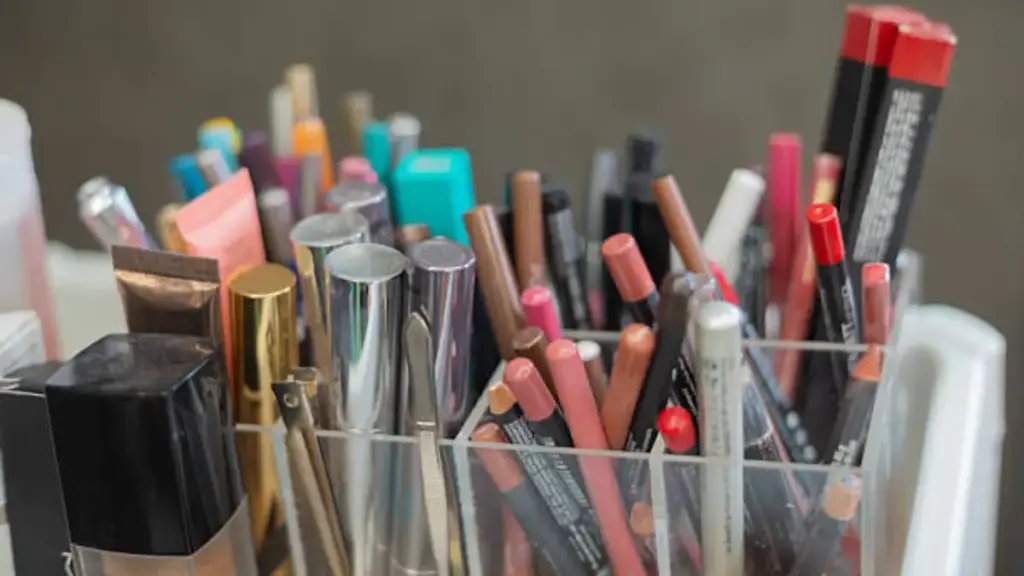
Store mascara sealed, upright, and in a cool, dry spot. Avoid pumping the wand or leaving it in a steamy bathroom to protect the formula and prevent contamination.
Key Storage Practices to Preserve Your Mascara
How you store your mascara directly impacts its performance and safety within its short 3-month lifespan. Simple habits make a real difference in keeping the formula from drying out or degrading prematurely.
- Keep the tube tightly sealed. This is the most critical step. A tight seal minimizes air exposure, which is the primary cause of the formula drying out, getting clumpy, and flaking.
- Store it in a cool, dry place. Heat and direct sunlight may accelerate changes in the formula, affecting ingredients such as waxes, oils, pigments, and the overall product texture. A vanity drawer or a bedroom cabinet is a much better spot than a car’s glove box or a sunny windowsill.
- Place the tube upright whenever possible. Storing mascara vertically helps keep the formula distributed evenly and reduces the chance of leaks around the cap’s threads, which can break the airtight seal.
Common Mistakes That Reduce Mascara Life
Certain common habits will ruin a tube of mascara long before its three-month replacement date. Avoiding these will get you better performance and reduce safety risks.
- Pumping the wand. Pushing the wand in and out forces air into the tube, essentially speed-drying the formula. It also introduces more airborne bacteria. Instead, gently twist the wand to load the brush.
- Storing it in the bathroom. The humidity from a steamy shower creates an ideal environment for mold and bacteria to grow. This moisture can also compromise the product, even if the tube is sealed.
- Adding water or other liquids. Never add water, saliva, or eye drops to a dry formula. This disrupts the preservative system and introduces a flood of new bacteria directly into the tube, creating a serious risk of eye infection. If it’s dry, it’s done.
When Should You Replace Mascara?
Replace mascara every three months for safety, even if it’s not empty. Toss it sooner if the smell, texture, or color changes, or if it causes any irritation.
The Standard 3-Month Rule
The standard rule is to replace opened mascara every three months. This isn’t about the tube being empty; it’s about safety. Each time you use the wand, you introduce air and microbes into the tube, creating an environment where bacteria can grow. The risk of eye infections goes up significantly after this period.
Signs You Need to Replace It Immediately
Beyond the calendar, you need to toss your mascara right away if you notice any clear warning signs.
- The formula changes. If you notice a shift in the smell, color, or texture—especially if it gets dry, clumpy, or stringy—it’s done.
- It gets contaminated. Throw it out if you used it during an eye infection like a stye or pink eye. The same goes if the wand ever touches an unclean surface.
- Your eyes react. If the mascara starts causing any irritation, redness, or itching around your eyes, stop using it immediately.
Заключительные мысли
Mascara stability is an important part of cosmetic product development. Through formulation testing, packaging evaluation, and quality control procedures, brands can create products that remain safe, stable, and consistent throughout their intended use period. Overlooking them exposes your business to unacceptable risk.
Verify that your formulation is built to withstand real-world contamination. Our team can review your existing product specs or develop a compliant formula from the ground up. Contact us to ensure your product protects both your customers and your reputation.
Frequently Asked Questions
How long is the true shelf life of an unopened mascara?
An unopened mascara typically lasts for about 2 to 3 years. This is considered its true shelf life, as long as it’s stored correctly in a cool, dry place.
What does the PAO (Period After Opening) symbol mean for mascara?
The PAO symbol is the small icon of an open jar with a number followed by an ‘M’ (like 3M or 6M). It indicates the number of months the mascara is considered safe and effective to use after it has been opened for the first time.
How do cosmetic factories test mascara for bacteria and mold?
Factories use a combination of tests to ensure mascara is safe. This includes microbiological quality testing on each batch, preservative efficacy (or challenge) testing to see if it can fight off germs, and stability testing to ensure it lasts.
What is Preservative Efficacy Testing (PET) in cosmetic manufacturing?
Preservative Efficacy Testing (PET), also called challenge testing, is a lab test to prove a mascara’s preservatives work. Scientists add a high concentration of bacteria, yeast, and mold to the formula and check over several weeks to ensure the preservatives can effectively control them.
Can clean beauty mascaras survive without traditional chemical preservatives?
Yes, but they usually have a shorter usable life, typically 3 to 6 months after opening. They rely on alternative preservation methods, specific formulation techniques, and advanced packaging to stay safe and stable.
Why is mascara the fastest expiring makeup product on the market?
Mascara expires faster than other makeup (usually in 2-6 months) for three main reasons. First, the wand repeatedly introduces bacteria from your lashes into the tube. Second, its moist, water-based formula is an ideal environment for that bacteria to grow. And third, the risk of a serious eye infection from a contaminated product is much higher than with other cosmetics.

 Russian
  English
  Arabic
  Dutch
Dutch  French
  Portuguese
  Spanish