

Sustainable Lipstick Packaging Ideas are no longer a marketing choice but a direct defense against Extended Producer Responsibility (EPR) fees and removal from major retail channels. Choosing the wrong material leads to non-compliance and makes your product line ineligible for retailers who now mandate fully recyclable or reusable packaging.
This analysis evaluates five key strategies—from mono-material tubes designed for automated recycling to refillable systems that reduce material use by up to 70%. We break down each option against critical metrics like regulatory compliance, certified sourcing, and true end-of-life recyclability.
Why Sustainable Lipstick Packaging Matters
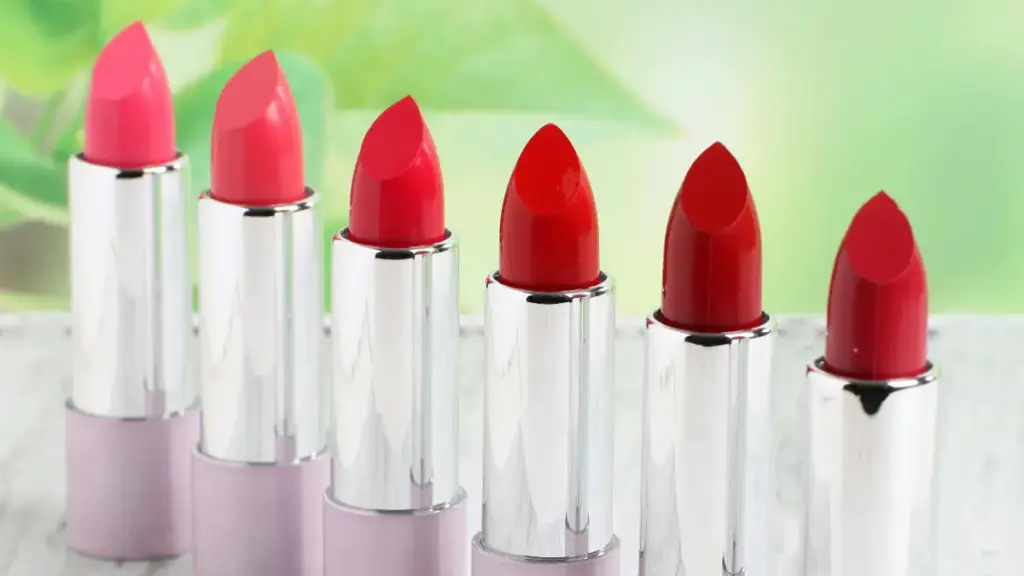
Sustainable lipstick packaging is crucial for beauty brands because it addresses significant environmental waste, meets growing consumer demand for eco-conscious products, and navigates an increasingly strict regulatory landscape. Adopting these practices helps brands stand out in a competitive market and aligns with retailer sustainability goals.
Meeting Consumer Demand and Gaining a Competitive Edge
Today’s consumers actively look for eco-friendly beauty products. Sustainable packaging is no longer a small detail; it directly shapes their buying choices and builds lasting brand loyalty.
In a crowded cosmetics aisle, innovative packaging is a powerful differentiator. Options like elegant refillable cases or minimalist paperboard tubes help a brand capture attention and justify a premium price point.
The industry itself is driving this change. Major retailers and beauty conglomerates are setting ambitious targets, such as using only reusable, recyclable, or compostable plastic by 2030, making sustainable design a requirement for market access.
Reducing Environmental Impact and Navigating Regulations
The environmental cost of traditional packaging is staggering. An estimated 95% of all cosmetic packaging is thrown away after just one use, with the vast majority ending up in landfills.
Conventional lipstick tubes are a key part of the problem. They often mix plastic, metal, and adhesives, making them nearly impossible to recycle and leading to contamination in recycling streams.
Regulations are also getting stricter. Governments are introducing rules like Extended Producer Responsibility (EPR), which makes brands financially responsible for the collection and recycling of their own packaging waste.
Top 5 Sustainable Lipstick Packaging Ideas
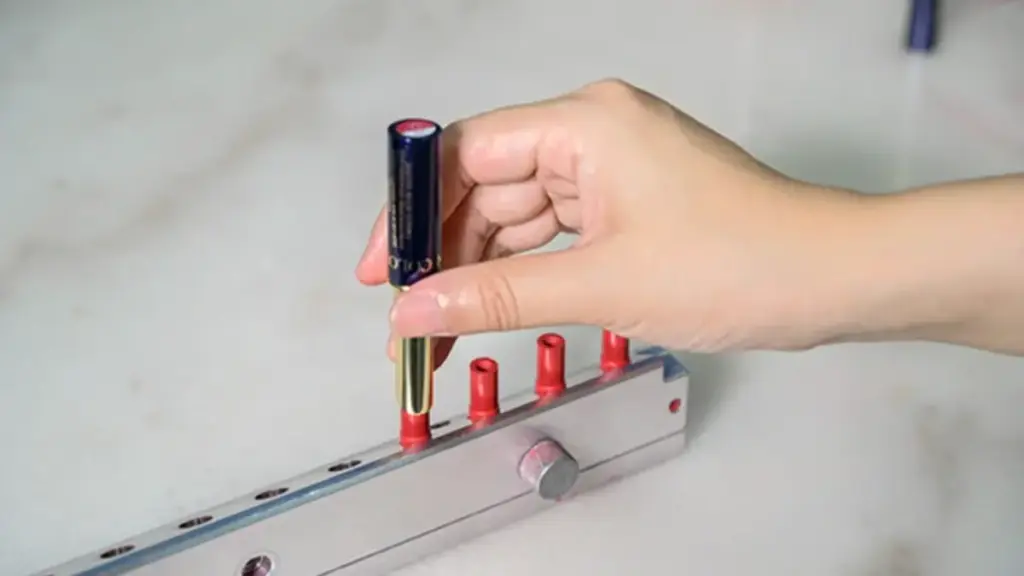
Key sustainable strategies for lipstick packaging center on five main concepts: using refillable systems to reduce overall waste, choosing recycled plastics like PCR, opting for paper-based tubes from certified sources, incorporating renewable materials like bamboo, and designing mono-material packs for easy recycling.
Refillable Lipstick Packaging
Refillable systems dramatically cut down on waste. Instead of a customer buying an entirely new lipstick tube each time, they keep the durable outer case and only replace the inner color cartridge. This approach reduces the material used per purchase by up to 70% and lowers the environmental impact from shipping lighter refills.
This model also builds stronger customer relationships. A premium, long-lasting case turns a disposable product into a personal, valued accessory. Customers who invest in the case are more likely to return to the same brand for refills, creating a natural cycle of loyalty and increasing their lifetime value.
Recycled Plastic Packaging
Using Post-Consumer Recycled (PCR) plastic means we recover material from household and commercial waste streams. Incorporating PCR into lipstick caps, bases, and mechanisms reduces our demand for new, fossil-fuel-based plastics and lowers the carbon footprint of each product.
Ocean-bound plastic is a specific type of PCR material collected from coastal communities at high risk of entering the ocean. Using this material in our packaging not only prevents waste from reaching landfills but also directly contributes to cleaning up marine environments, offering a powerful and transparent story for our brand.
Paper-Based Packaging
Paper offers a renewable and highly recyclable alternative to plastic. We specify FSC-certified paper for our lipstick tubes and cartons, which guarantees the fiber comes from responsibly managed forests. This certification is a trusted mark of sustainability that appeals to both retailers and conscious consumers.
Lightweight paper tubes significantly reduce the material needed per unit compared to heavy plastic or metal cases. This minimalist design choice not only conserves resources but also decreases weight for shipping, which helps lower transport-related emissions across the supply chain.
Bamboo and Renewable Materials
Bamboo provides a unique, natural aesthetic that immediately communicates a brand’s commitment to sustainability. Its visible grain offers a premium, crafted feel that helps products stand out. This look aligns perfectly with the values of the clean and natural beauty market.
As a fast-growing grass, bamboo is a rapidly renewable resource with a lower environmental impact than many traditional materials. Using it for the outer lipstick case reduces the total amount of plastic required. We design these hybrid packages for easy disassembly, so the bamboo shell can be separated from the inner mechanism for proper end-of-life handling.
Mono-Material Packaging
Conventional lipstick tubes often mix plastic, metal, and adhesives, making them almost impossible for recycling facilities to process. Mono-material packaging solves this by constructing every component—from the cap to the base to the internal mechanism—from a single type of plastic, such as PP or PET.
When a lipstick tube is made from just one material, it can be sorted and recycled in a single, efficient stream without needing to be taken apart. This simple design choice dramatically increases the likelihood that the packaging will be successfully recovered and turned into new material, supporting a more circular system.
Your One-Stop Partner for Private Label Lipsticks.
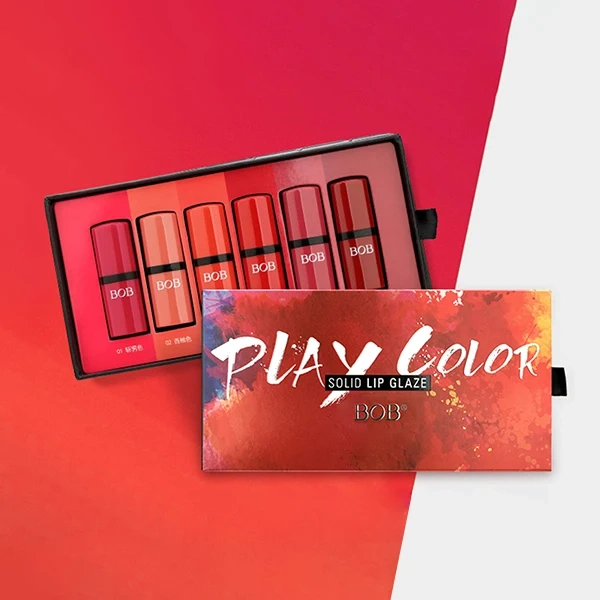
Idea 2 Recycled Plastic Packaging
Using recycled plastics for lipstick packaging helps lower our reliance on new, fossil-based materials. We focus on two main sources: post-consumer recycled (PCR) plastics from established waste streams and ocean-bound plastics collected from coastal areas. Both approaches help build a circular economy and offer a compelling sustainability story for your brand.
PCR Materials
Post-consumer recycled (PCR) plastics are sourced from household and commercial waste streams. By using these materials, we reduce the demand for virgin plastics derived from fossil fuels, which helps lower the overall carbon footprint of your packaging.
We use common recycled polymers like rPET and rPP for lipstick components because they provide good strength and stiffness for caps, cases, and mechanisms. To ensure the final package meets strict safety and functional performance standards, we often use carefully engineered blends of PCR and virgin resin.
Ocean-Bound Plastic Solutions
This strategy involves intercepting plastic waste from coastal communities before it has a chance to pollute rivers and oceans. We collect this at-risk material and recycle it for use in new packaging, directly contributing to environmental cleanup.
Incorporating ocean-bound plastic does more than protect marine ecosystems; it helps build a circular economy by turning harmful waste into a valuable resource. This creates a powerful and authentic sustainability story that directly connects your product to a positive environmental impact.
Idea 3 Paper-Based Packaging
Paper-based solutions, like FSC-certified cartons and lightweight sleeves, offer a renewable and highly recyclable packaging option. This approach helps brands reduce plastic reliance, lower shipping emissions, and strengthen their sustainability claims with consumers.
FSC-Certified Paper
Using paper from certified forests ensures responsible sourcing and supports renewable material cycles. This practice is widely recognized as a clear sustainability marker in the beauty industry.
Brands can specify FSC-certified paperboard for outer cartons and sleeves to strengthen their sustainability claims. This choice helps meet the expectations of many retailers and marketplaces with corporate sustainability pledges.
This material helps reduce reliance on plastic and directly aligns with strong consumer demand for eco-friendly packaging options.
Lightweight Designs
Minimalist paper-based designs reduce overall material consumption, making the final product more sustainable. Optimizing wall thickness to the minimum required for protection avoids over-engineering and waste.
Lighter packaging and designs optimized for flat-packing lower shipping volumes. This efficiency directly decreases transport-related emissions and logistics costs.
Paper sleeves and simple folding cartons are effective lightweight options for wrapping lipstick components. They provide necessary protection and branding space without adding unnecessary bulk or weight.
Idea 4: Bamboo and Renewable Materials
Bamboo and other renewable materials offer a biobased alternative to conventional plastic for lipstick packaging. This approach provides a distinct, natural aesthetic that appeals to consumers in the clean beauty and eco-luxury markets. As a fast-growing, renewable grass, bamboo is a lower-impact resource that helps reduce plastic waste and supports a circular economy.
Natural Appearance
The natural grain and color of bamboo give lipstick packaging a distinct, “earthy premium” look. This unique texture helps brands stand out on crowded retail shelves, immediately signaling a connection to natural and clean beauty.
Its appearance visually complements brand narratives centered on botanical ingredients and wellness. This creates a cohesive identity where the packaging authentically reflects the product’s values.
We can shape, carve, and laser-etch bamboo to produce customized designs. These finishing options give the packaging a high-quality, crafted feel that enhances the overall user experience.
Sustainability Benefits
As a type of grass, bamboo grows much faster than trees and can be harvested without replanting. This rapid renewability makes it a low-impact resource for packaging production.
Bamboo is biodegradable, meaning it breaks down naturally and reduces the long-term waste burden in landfills compared to conventional plastics made from fossil fuels.
Using bamboo lipstick tubes is a practical way to reduce plastic consumption. The material also integrates seamlessly into refillable systems, which promote a circular, low-waste economy by encouraging reuse.
Idea 5 Mono-Material Packaging
Mono-material packaging solves the core recycling problem of traditional lipstick tubes by constructing the entire package from a single material family, such as all-PET or all-PP. This design allows the tube to be processed in a single recycling stream without disassembly, which simplifies sorting and results in cleaner, more valuable recycled material.
Improved Recyclability
By designing a lipstick tube entirely from one material family, like all-polypropylene (PP) or all-PET, we make it compatible with a single recycling stream. The entire package can be processed without needing to be taken apart.
This approach directly addresses the main issue with conventional lipstick tubes, which often combine different plastics, metal springs, and glues. These mixed materials make them difficult for recycling facilities to handle, so most end up in landfills.
For customers, a mono-material tube is simple. They can put the whole thing in the recycling bin, which greatly increases the chances that the material will actually be recovered and reused.
Simplified Material Recovery
At a material recovery facility (MRF), automated sorting equipment easily identifies mono-material packs. The uniform material signature means the entire tube gets sorted into the correct batch without issue.
This process prevents contamination from incompatible parts like metal weights or different plastic resins. A cleaner sorting process leads to a higher-purity batch of recycled material.
A streamlined recovery process yields more valuable post-consumer resin (PCR). This high-quality PCR can then be used to create new packaging, helping to close the loop.
How to Choose Sustainable Packaging for Your Brand
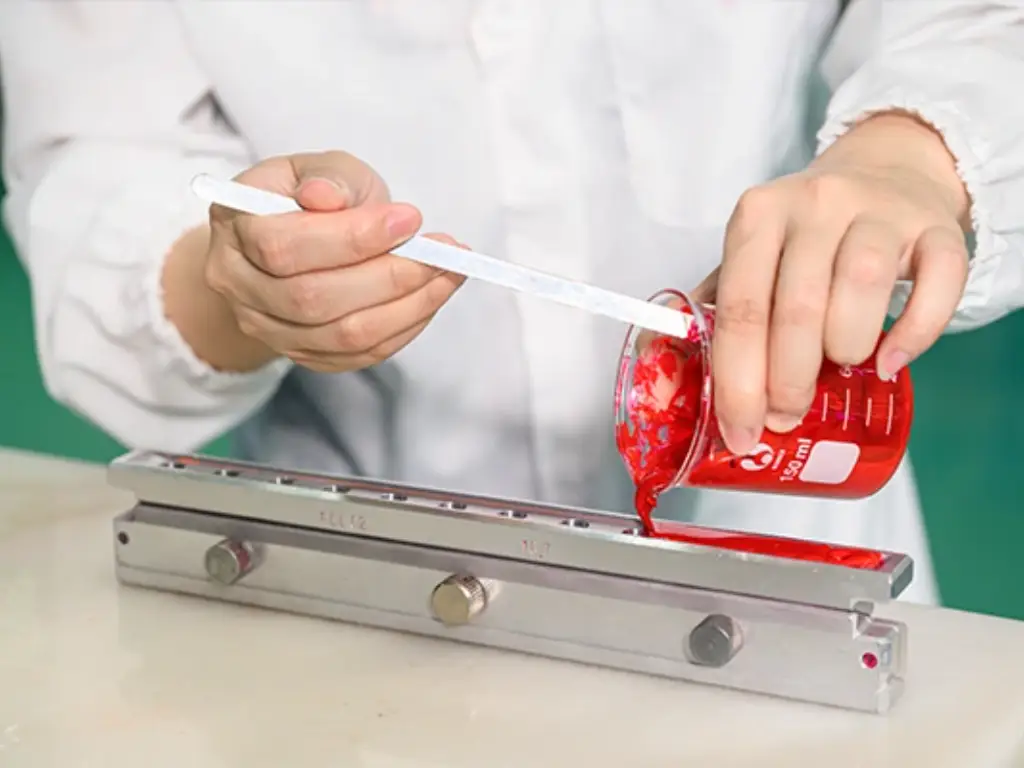
Choosing the right sustainable packaging involves balancing environmental performance, brand identity, and regulatory compliance. The key is to define your sustainability goals first, then select materials and designs that align with those goals while ensuring product safety and a positive end-of-life outcome.
Establish Your Brand’s Sustainability Goals
Before picking a material, it’s important to define what sustainability means for your brand. This could mean focusing on reducing landfill waste, lowering your carbon footprint by using recycled materials, or ensuring all your paper comes from ethically managed forests. These goals shape every decision that follows.
Your packaging should also reflect your brand’s identity and meet customer expectations. For many beauty brands, the package is a key touchpoint. Using visibly sustainable features, like a refill system or a paperboard tube, can build trust and support a premium feel.
Finally, all material and design choices must comply with cosmetic safety regulations. You need to ensure the packaging is inert, meaning it won’t react with your lipstick formula, and that it meets all labeling laws in the markets where you sell.
Evaluate Materials and End-of-Life Strategies
Once your goals are set, you can evaluate different packaging systems. Refillable lipstick cases, for example, dramatically cut waste by allowing customers to reuse a durable outer shell. Alternatively, you can design single-use tubes from a single recyclable material (monomaterial) or use certified biodegradable components.
You can then assess specific materials. Aluminum offers a premium feel and is highly recyclable. Post-consumer recycled (PCR) plastic reduces reliance on new fossil fuels. FSC-certified paper ensures responsible sourcing for outer cartons. The best choice depends on performance needs, aesthetics, and local recycling capabilities.
We also recommend designing for disassembly. When consumers can easily separate a plastic mechanism from a metal case, it increases the chances that each part gets recycled correctly. Providing clear instructions on the package or online helps guide customers on how to properly dispose of each component.
Reflexiones finales
Choosing sustainable packaging is a commercial decision, not just an ethical one. While generic options seem cheaper, they expose your brand to regulatory penalties and retailer rejection. The certified, strategically chosen materials outlined here are your defense against these risks and the foundation for long-term brand value.
Don’t guess on compliance or material performance. We recommend a direct consultation to match these packaging solutions to your specific carbon reduction targets and brand identity. Contacte con nuestro equipo to review material certifications and request a sample kit.
Frequently Asked Questions
What are some sustainable lipstick packaging ideas for eco brands?
Key ideas include refillable systems with durable outer cases, mono-material designs using all-PP or all-PET for easier recycling, and using materials with better environmental profiles like aluminum or PCR plastics. Reducing material use through lightweighting and eliminating secondary boxes also improves sustainability.
Can a lipstick tube be made entirely from biodegradable paper?
A lipstick case can be made mostly from paperboard, but a precise twist-up mechanism is mechanically challenging for paper alone. Most existing paper tubes use a small internal plastic component for durability and a barrier liner to prevent oils from weakening the structure.
What is PCR plastic and what is the maximum percentage safe for makeup?
PCR (post-consumer recycled) plastic is made from recycled consumer waste. There is no single legal maximum percentage for its use. Non-contact parts like caps can often use 100% PCR, while formula-contact parts may use a lower percentage to ensure cosmetic-grade safety and performance.
Do eco-friendly lipstick containers affect the shelf life of the formula?
Not if they are designed correctly. Shelf life depends on the barrier against oxygen, light, and moisture. While some eco-materials like uncoated paper offer less protection, all packaging must pass stability testing to ensure the formula remains safe and effective through its intended life.
How do you recycle a multi-material cosmetic component after use?
First, empty the product completely. Since small, mixed-material items like lipsticks are often rejected by curbside recycling, brand take-back programs are the best option. These schemes send components to specialized facilities that can properly separate and process the different materials.
Does Siloran provide third-party environmental certifications for its packaging?
Obtaining documentation directly from any supplier is the only way to confirm specific certifications. Brands should always request current certificates for claims related to recycled content (PCR), responsible sourcing (FSC), or environmental management systems (ISO 14001) to verify sustainability credentials.


 Spanish
  English
  Arabic
  Dutch
Dutch  French
  Portuguese
  Russian