
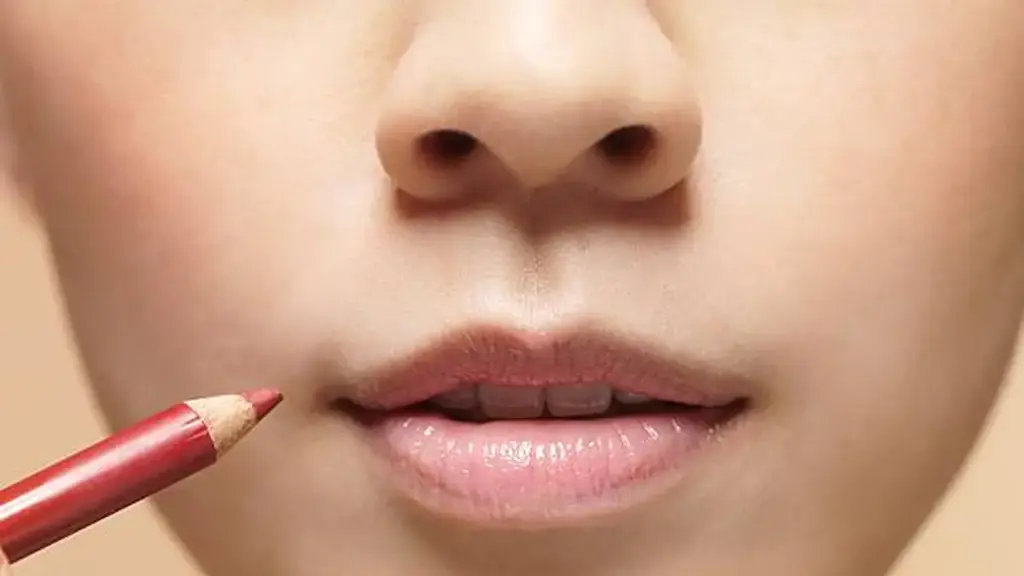
When you build a lipstick brand, lip liner texture needs to work with your lipstick formulas and the looks you want to create. A liner that is too firm may feel uncomfortable with a drier lipstick, while a very soft liner may not provide enough definition for glossy or creamy formulas.
The guide compares pencil, gel, and cream textures and explains how each one works with different lipstick finishes. We evaluate how a firm, wax-based pencil provides barrier control for creamy formulas versus when a softer texture is needed for modern, diffused looks. The goal is to help you build a cohesive, high-margin lip kit where every product works together.
Why Lip Liner Texture Matters
Texture affects how a crayon à lèvres applies, how precisely it defines the lip, and how well it wears throughout the day. A firmer texture locks in color and creates sharp lines, while a softer texture offers comfort and blendability.
How Texture Controls Definition and Longevity
A firmer, more structured liner can provide greater control around the lip edge and help reduce lipstick migration or feathering. This can be particularly useful with glossy, satin, or creamy formulas that are more likely to move during wear.
For sharp, clean lines, a firmer pencil can provide greater control and make precise lip shaping easier. It allows for precise application needed to define a cupid’s bow, correct an uneven lip shape, or create the illusion of fullness. Softer pencils simply can’t achieve that level of architectural precision.
A firmer texture can improve wear by giving the liner more structure and resistance to movement, but staying power also depends on the overall formula, including waxes, oils, pigments, and film-forming ingredients. The goal is to balance wear with enough slip for comfortable application.
How Texture Affects Application and Comfort
Softer, creamier textures are easier to blend and are well suited to diffused lip looks. They are far easier to blend, smudge, or fade toward the center of the lip. Many people also use these softer formulas as an all-over base color because of their comfortable feel.
Harder pencils give you precision, but softer liners feel more comfortable and glide on with less effort. This smooth application experience is a huge selling point for daily wearers.
A quality liner, regardless of hardness, should apply smoothly. It shouldn’t drag, skip across the skin, or create an uneven buildup of product when you re-apply. Users can spot a cheap, poorly formulated texture almost instantly.
Traditional Pencil Lip Liners
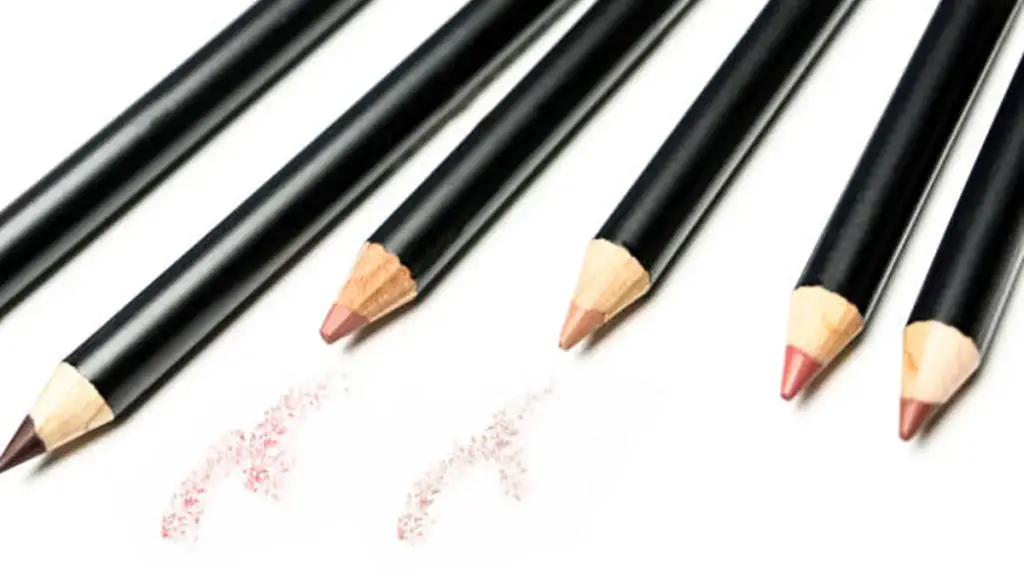
Traditional pencil liners offer precise application and can help define the lip edge, but sharpenable formats require a sharpener and firmer formulas may feel drier than softer liner textures.
Advantages and Disadvantages
- Advantages: These pencils deliver sharp precision for defining or correcting lip shape. They help define the lip edge, reduce feathering, and can improve the wear of lipstick applied over them.
- Disadvantages: You always need a separate sharpener, which is inconvenient for travel and creates product waste. Their firmer, wax-based formula can also feel dry or drag on the lips compared to newer gel liners.
Best Applications
Traditional pencils are particularly useful when precise definition is the main priority.
- They are ideal for creating a crisp, clean lip border. This is especially useful when working with bold or creamy lipsticks that tend to bleed or feather.
- When you apply a pencil over the entire lip, it acts as a long-wearing base. This grips any lipstick or gloss layered over it, making the color last much longer.
- Pencils can also work well for techniques such as subtle overlining, lip contouring, and ombré effects. A slightly deeper shade can be used to add definition or create a gradient effect.
Scale Your Brand with Custom Lip Liners
Gel Lip Liners
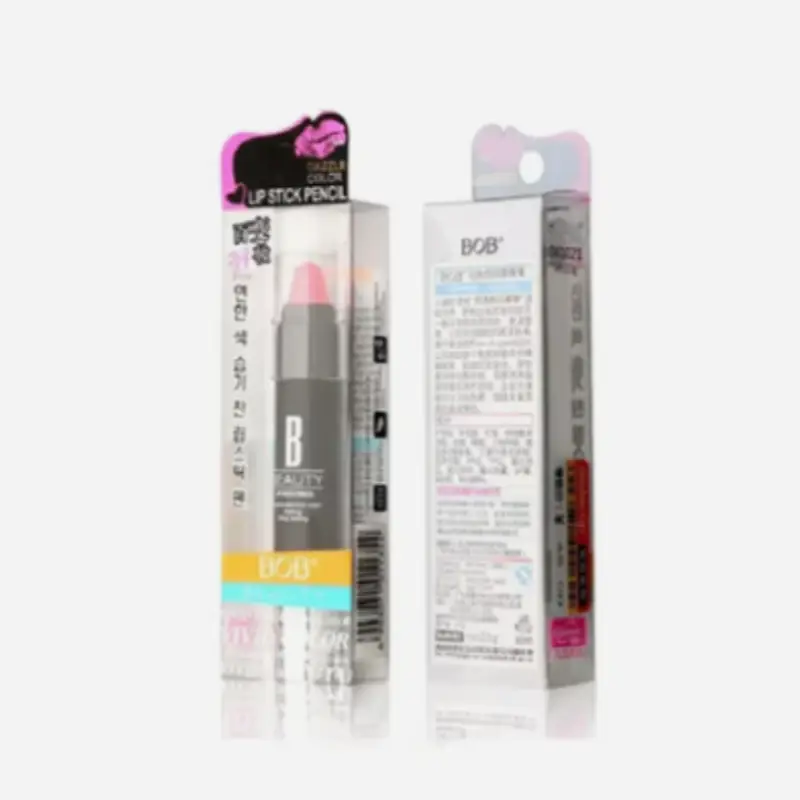
Gel liners are known for a smooth glide and strong color payoff. They are often offered in retractable formats, although packaging choices depend on the formula, product design, and dispensing system.
Advantages and Disadvantages
Gel liners offer a noticeably smoother, glide-on application with intense color payoff. This can improve the wear of lipstick applied over them while helping define the lip edge and reduce feathering. They also carry a modern, premium perception compared to traditional wood pencils, which can support higher price points.
A softer gel-type formula may be more vulnerable to breakage or deformation, particularly in retractable formats when too much product is advanced at once. It can also be less precise for creating ultra-fine lines than a freshly sharpened wood pencil. For a brand, the development cost depends more on the formula, dispensing mechanism, component selection, decoration, and testing requirements than on the word “gel” itself. Retractable components can add cost, but they are not required for every gel liner.
Best Applications
Gel liners are best suited for specific jobs where their texture is a clear advantage.
- They can work well for sharp, defined, and dramatic lip looks. When paired with bold or creamy lipsticks, they can help define the lip edge and reduce color bleeding or feathering.
- For long-wear makeup, filling in the entire lip with a gel liner creates a durable base. This base can improve adhesion and may help extend the wear of lipstick applied over it.
- Their smooth, blendable texture is also ideal for advanced techniques. This includes creating ombré lips with a gradient effect or contouring the edges to make lips appear fuller.
Cream Lip Liners
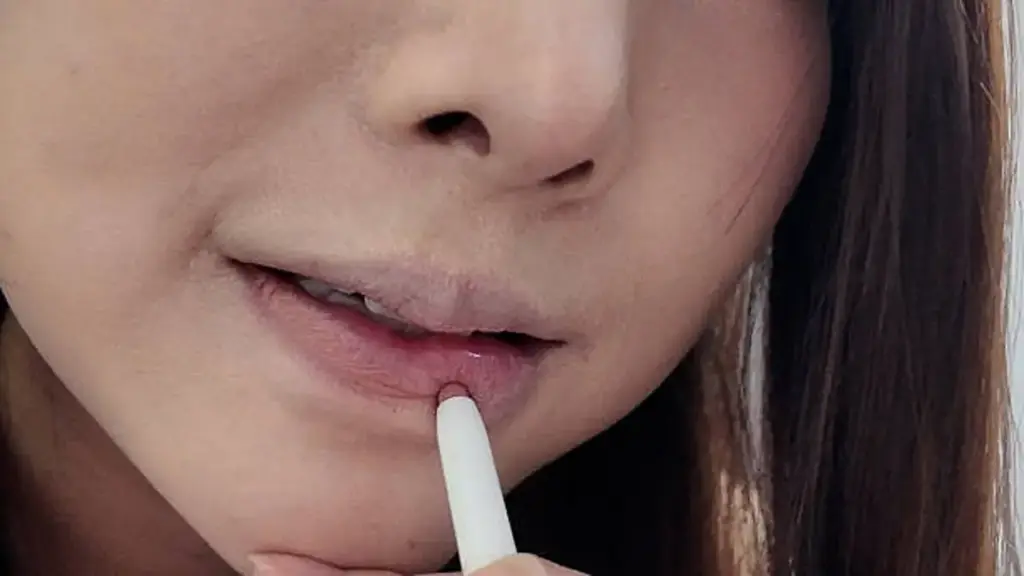
Cream liners generally prioritize glide and blendability, although wear time depends on the specific formula. They provide a smooth, comfortable base for blending and all-over lip application, while firmer formulas may offer more edge definition and resistance to movement.
Advantages and Disadvantages
Cream liners are defined by their soft, user-friendly texture. This creates a clear set of pros and cons that dictate how they perform and where they fit in a product line.
- Advantages: The main benefit is a smooth, low-drag application that feels comfortable on the lips and is easy to blend. This makes them extremely easy to use, even for beginners. The soft line they create is easy to blend, making them perfect for natural looks or for filling in the entire lip as a color base under lipstick.
- Disadvantages: Their softness is also their weakness. Cream liners provide a much weaker barrier against lipstick feathering compared to firm, waxy pencils. Some softer cream formulas may have shorter wear times and can be more prone to smudging if they are not designed with strong adhesion or film-forming properties. The soft tip blunts very quickly, which reduces precision for sharp lines, and the formula is more sensitive to heat during shipping and storage.
Best Applications
Because they are easy to blend, cream liners are well suited to softer lip looks and applications where comfort is more important than maximum precision.
- Everyday Definition: They are ideal for subtly shaping the lips for natural or nude looks where a harsh, obvious outline would look out of place.
- Lipstick Primer: Their creamy texture makes them excellent for filling in the entire lip. This creates an even, comfortable base that can intensify the color of a lipstick applied on top, especially for cream and satin finishes.
- Soft Contouring: The blendable formula is perfect for gently overlining the lips. The soft edge can be smudged inward to create a shadow that gives the illusion of fuller lips without looking artificial.
- Comfort-Focused Wear: For users with dry or mature lips, comfort is key. Cream liners provide definition without the tight, drying feeling of a waxier pencil, making them the preferred choice.
How to Match Lip Liners with Lipstick Formulas
Matching a liner to a lipstick involves both shade and texture. The best combination depends on the lipstick formula, finish, slip, wear characteristics, and the look the brand wants to create.
Pairing by Lipstick Texture and Finish
| Lipstick Formula | Recommended Liner & Rationale |
|---|---|
| Cream/Satin Lipstick | A firmer, more structured liner can help define the edge and reduce the tendency of creamy or satin color to migrate into fine lines. |
| Rouge à lèvres mat | For drier matte formulas, a smoother, creamier liner can make application more comfortable and reduce the risk of skipping or tugging. |
| Liquid Matte Lipstick | A thin, precise liner with good wear resistance is often a practical choice. An exact shade match gives a cleaner result, while a slightly deeper liner can be used for definition or contouring. The goal is to create a clean, sharp border without heavy layering, which can cause the liquid formula to crack or crumble as it dries. |
| Sheer/Glossy Formulas | A firmer liner or clear anti-feathering liner can help control migration, particularly with glossy formulas that remain more mobile during wear. A firmer liner can help define the lip edge and reduce the tendency of color to migrate outside the lip line. |
| Teintes et colorants pour les lèvres | Match with soft, blendable pencils. Stains create a diffused look, so a soft liner that can be smudged inward complements the finish instead of creating a harsh, contrasting border. |
Pairing by Liner Type and Function
| Liner Type | Best For & Function |
|---|---|
| Traditional Wooden Pencil | Offers high precision from a sharp tip. It’s ideal for creating a crisp, defined lip edge and helping reduce feathering with cream, sheer, and glossy lipsticks. |
| Retractable Mechanical Liner | Often has a creamier texture. This makes it a good fit for matte and satin formulas, where a smooth glide is more important than an ultra-rigid barrier. |
| Clear/Invisible Liner | Provides an invisible edge that can help reduce feathering and color migration, making it particularly useful for glosses and bold lip colors where a visible liner is not desired. |
| Long-wear/Waterproof Liner | Designed for extended wear, these liners are often paired with liquid mattes and other long-wear lip products when resistance to transfer and movement is a priority. |
Choosing the Right Lip Liner for Your Target Market
Lip liner choice should align with both your lipstick formulas and your target customer. The texture and shade range you choose will influence how the liner is positioned and how easily customers can use it with your lipstick collection.
Matching Product Attributes to Consumer Needs
Lip liner texture affects definition, wear, blendability, and comfort, so the formulation should reflect how the product is expected to be used. It dictates definition, wear time, and comfort. A harder, waxier pencil creates a sharp barrier to stop lipstick from bleeding—essential for bold or creamy formulas. A softer, creamier texture is easier to blend for a modern, diffused look or to wear as an all-over base color.
Start with the intended use, then select the texture and performance characteristics that support it. Don’t sell a super-soft, blendable liner as a precision tool for a liquid matte lipstick; it won’t provide the control needed. The formula should deliver the performance claims made on the product page and packaging. Your liner assortment should be segmented by who you’re selling to, as different customers have different priorities that demand specific attributes.
- The “Natural Look” Buyer: This customer wants comfort and blendability. They need soft, creamy pencils in nude or neutral tones that blend seamlessly with their natural lip color and sheer lipsticks. Precision is usually less important than easy application and blendability.
- The “Bold Lip” Buyer: This segment requires performance. They need liners with a firmer texture to create a crisp, clean edge that prevents feathering, especially for reds and plums. An exact or closely coordinated shade is useful for hero lipstick pairings, while slightly deeper options can support contouring and definition.
- The “Contouring & Definition” Buyer: These users want to reshape or visually enlarge their lips. They need liners that are one shade deeper than their lipstick but still easy to blend. The formula must offer both control for overlining and blendability for a subtle gradient effect.
- The “Long-Wear” Buyer: Performance is everything here. This customer uses liner as a full-lip base to extend wear time. The formula must be durable and comfortable enough for all-over application without feeling dry or heavy.
Developing a Market-Driven Shade and Launch Strategy
Your liner shade strategy should be developed alongside your lipstick range so the two assortments support each other. Developing the liner range separately from the lipstick collection can make shade coordination and merchandising more difficult. They need to be developed and marketed as part of a complete system from day one.
Start by building your liner range around the lipstick families that are central to your assortment, such as nude, pink, red, and brown shades. These are the shades customers actually look for. A core range of versatile neutrals can give customers more options across different lipstick shades and skin tones. When selecting shades, compare the liner and lipstick after application rather than relying only on how they appear in the packaging.
- Match Undertones: Warm-toned lipsticks generally pair well with liners that share a similar undertone, while cool reds are often easier to coordinate with cooler, blue-based liner shades. A noticeable undertone mismatch can make the pairing look less cohesive and may affect how polished the final lip look appears.
- Offer Depth Options: For each core lipstick, you ideally need an exact match for a clean look and a slightly deeper option for contouring. This creates an easy upsell opportunity.
- Avoid Extreme Contrast: Unless your brand is specifically targeting a 90s revival or an edgy look, avoid high-contrast pairings in your core marketing. It’s a niche trend, not a mass-market strategy.
From Lip Liner Strategy to Product Development
Once you have defined the texture, shade range, and performance goals for your lip liner, the next step is turning those specifications into a consistent finished product. Siloran supports cosmetic brands through formulation design, package design, sample testing, and mass production, so product decisions can be evaluated before moving into full-scale manufacturing. Its production setup includes dedicated lip makeup and powder workshops, automatic lipstick filling and cooling lines, multi-color filling equipment, and automatic filling, sealing, and packaging systems. The factory operates a GMP 100,000-grade clean workshop and holds GMPC and ISO22716 certifications. Siloran also provides a structured development process, from quotation and formulation review through sampling, customer confirmation, production, and delivery. For brands developing coordinated lip products, this allows texture, color, packaging, and production requirements to be considered together rather than handled as separate steps.
A practical launch plan is essential. Merchandise your products by the look they create (“Natural Nudes,” “Power Reds”) to make choices easy for the customer. Use clear on-pack and online marketing to show specific pairings. And test every nude and neutral liner on a wide range of skin tones—a “universal nude” that only suits a narrow range of skin tones can limit the usefulness of the shade and create frustration for customers.
Frequently Asked Questions
How do you launch a lipstick brand with matching lip liners?
Launching a brand with matching lip liners requires a coordinated strategy. Focus on positioning the products as convenient, perfectly matched pairs. Start with a private label manufacturer to keep initial costs and order quantities low. Develop a small, inclusive range of shades in popular families like nudes, reds, and mauves. Your branding, packaging, and marketing should all highlight the benefit of eliminating the guesswork in finding a matching liner.
What is the difference between wooden and plastic lip liner pencils?
Wooden pencils are common in sharpenable formats and can provide a precise tip after sharpening. Plastic components can be used in both sharpenable and retractable formats, giving brands more flexibility in dispensing and packaging design. The environmental impact of either option depends on the materials, manufacturing process, and end-of-life considerations rather than the component material alone.
What ingredients make a lip liner long-lasting and smudge-proof?
Long-wear lip liners typically rely on a carefully balanced combination of waxes, oils, pigments, and film-forming or adhesion-promoting ingredients. Increasing wax content can improve structure and resistance to movement, but too much wax may reduce glide and comfort. The final wear profile depends on the entire formula rather than the wax-to-oil ratio alone.
How do factories match colors between a cream lipstick and a gel liner?
Factories typically use the lipstick as the color standard when developing a matching gel liner. Lab technicians can measure the reference shade with a spectrophotometer and then develop a pigment blend for the liner formula. Because the two products may use different bases, textures, and finishes, the pigment system may need to be adjusted to achieve a visually consistent result after application. Color is usually checked through both instrumental measurement and physical swatches before the final shade is approved.
What are the packaging component options for mechanical twist-up liners?
Mechanical twist-up liners have several component options. The main parts are the outer barrel, the inner twist mechanism, and the cap. Barrels can be made from various plastics, including recycled materials, or even paper composites. Mechanisms can be one-way (advance only) or two-way (retractable). Caps are typically friction-fit to keep the formula from drying out. Brands can customize the shape, material, finish, and decoration to fit their product.
What is the standard minimum order quantity (MOQ) for custom lip kits?
MOQ varies by product type, formula, packaging, and the level of customization. At Siloran, lip liner MOQ is 720–3,600 units for wholesale orders and 12,000 units for private-label orders. For a full custom lip kit, the final MOQ should be confirmed based on the selected formulas, components, and packaging requirements.
Réflexions finales
Building a cohesive lip category requires more than just color matching; it demands a deliberate texture strategy. The wrong liner doesn’t just fail to perform—it actively undermines the lipstick it’s paired with, leading to customer complaints and lost sales. A performance-based texture strategy gives your brand a better chance of creating lip products that work well together and meet customer expectations.
The most reliable way to validate your texture strategy is to test the liner alongside your target lipstick formulas. We recommend ordering formulation samples to pair against your hero lipstick shades. Contact our development team to discuss your brand’s specific technical and color-matching requirements.