
A reliable custom lipstick packaging cost analysis should consider more than the unit price of materials. Sustainable materials, tooling requirements, finishing options, and regulatory considerations can all influence the final packaging cost and overall product profitability.
This guide explores five sustainable lipstick packaging options, including refillable systems, recycled materials, paper-based solutions, bamboo components, and mono-material designs. It also explains the factors that influence packaging costs, such as material choices, manufacturing processes, and finishing options.
Why Sustainable Lipstick Packaging Matters
Sustainable lipstick packaging isn’t just a trend; it’s a core business strategy to manage regulatory risks, secure retailer access, and align with modern consumer expectations.
Reduces Environmental and Regulatory Risk
The beauty industry produces a massive amount of packaging waste—over 120 billion units annually—and about 95% of it gets thrown away. This isn’t just an environmental problem; it’s a direct business liability. Sustainable packaging choices directly cut down on that waste volume.
Governments are tightening the rules with plastic taxes, Extended Producer Responsibility (EPR) fees, and mandates for recyclable packaging. Shifting to more sustainable materials can help brands prepare for evolving packaging regulations and meet increasing expectations from retailers and consumers. It also helps avoid negative press and public criticism for contributing to the plastic pollution problem.
Aligns with Consumer and Retailer Demands
Consumers now expect brands to be responsible. They connect “clean beauty” with sustainable packaging and actively seek out options that are recyclable, refillable, or use less plastic. This is no longer a niche preference; it’s a standard expectation.
Major retailers have their own sustainability targets and prioritize brands that help them meet those goals. The right packaging improves your chances of getting on the shelf, while outdated, wasteful packaging can get you delisted. Finally, smart packaging choices reinforce a premium brand position, aligning the product story with clean, ethical, and modern luxury trends.
Top 5 Sustainable Lipstick Packaging Ideas
The best sustainable lipstick packaging depends on your goal. Brands choose from refillable, recycled, paper, bamboo, or mono-material options to cut waste and engage customers differently.
| Idea | Key Focus Areas |
|---|---|
Idea 1: Refillable Lipstick Packaging |
Waste Reduction: The core concept is a durable outer case that consumers keep, paired with small, replaceable lipstick bullets. This drastically cuts down on single-use packaging and total material consumption over the product’s lifetime. Long-Term Consumer Engagement: Refill systems create a built-in repeat purchase model. Once a customer invests in a case, they are more likely to return for refills, fostering brand loyalty and a higher lifetime value. |
Idea 2: Recycled Plastic Packaging |
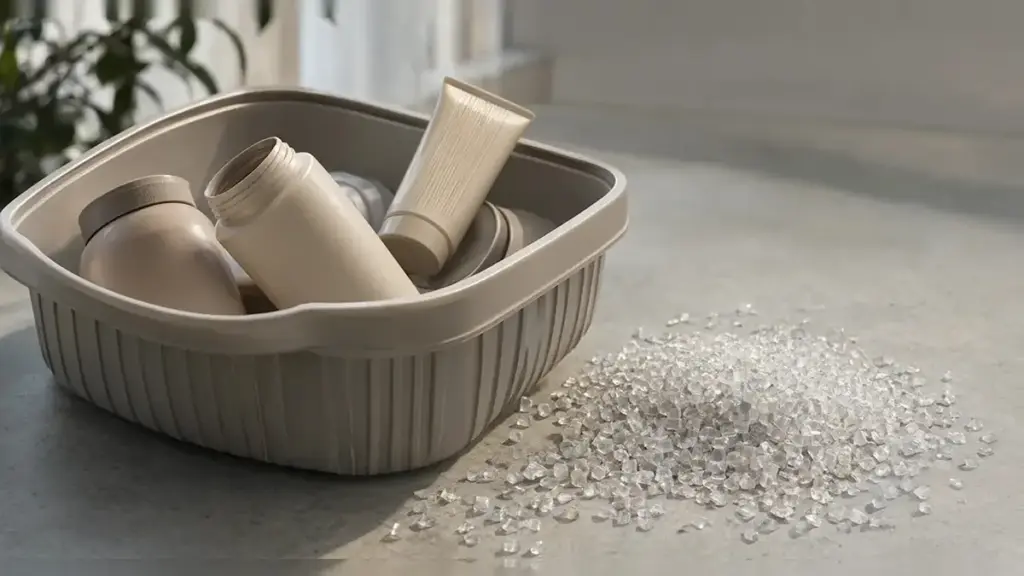
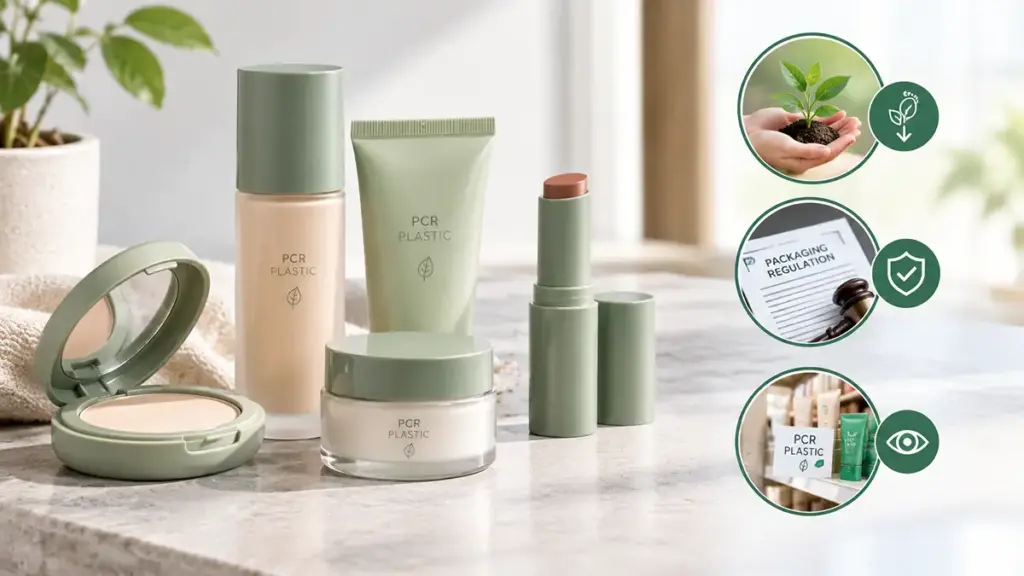
PCR Materials: This involves using post-consumer recycled (PCR) plastics like rPET or rPP instead of virgin, fossil-based resins. It diverts waste from landfills and typically has a lower carbon footprint, helping brands meet recycled-content targets. Ocean-Bound Plastic Solutions: A specific type of PCR using plastic collected from coastal areas before it enters the ocean. This approach offers a powerful brand story around active environmental cleanup and resonates strongly with conscious consumers. |
Idea 3: Paper-Based Packaging |
FSC-Certified Paper: Using paper from responsibly managed forests provides a verifiable sustainability claim. The FSC logo on cartons or paper tubes is a clear, trusted signal to consumers that the material is sourced ethically. Lightweight Designs: Moving to minimalist paper or paperboard structures reduces material intensity. This not only cuts resource consumption but also lowers weight, which decreases transport emissions and costs throughout the supply chain. |
Idea 4: Bamboo and Renewable Materials | Natural Appearance: Bamboo’s unique grain and texture create a strong visual link to nature. It immediately communicates an eco-friendly and organic positioning, which aligns well with clean or vegan lipstick formulas. Sustainability Benefits: Bamboo is a rapidly renewable resource that grows quickly with minimal inputs. |
Idea 5: Mono-Material Packaging |
Improved Recyclability: This is the most practical path to real-world recycling. By making the entire lipstick component—cap, base, and mechanism—from a single material like polypropylene (PP), you eliminate the need for disassembly, making it compatible with existing recycling streams. Simplified Material Recovery: Mono-material designs make life easier for recycling facilities. They reduce contamination from mixed materials (like metal springs in plastic tubes), which improves the quality and value of the recycled output. |
Launch Your Custom Lipstick Line Faster.
How to Choose Sustainable Packaging for Your Brand
Choosing the right sustainable packaging is a balancing act. You have to weigh material performance against your brand strategy, design goals, and compliance with retailer standards.
Assessing Sustainable Materials and Components
The easiest place to start is with materials that have high recycled content. This immediately lowers your use of virgin resources. Prioritize Post-Consumer Recycled (PCR) plastic for your components and look for certified paperboard (like FSC or PEFC) for any boxes or inserts.
You should also evaluate more innovative options based on what fits your brand story, budget, and performance needs. Some of the most common alternatives include:
- Bioplastics, like algae-based thermoplastic
- Metals, particularly aluminum for its high recycling rate
- Plant-based materials like bamboo or molded fibers
Don’t just focus on the outer box. Analyze every part of the package. This includes the primary packaging—the lipstick tube and its internal mechanism—and the secondary packaging, which is the box and any inserts. Both offer opportunities for improvement.
Integrating Strategy, Design, and Compliance
A clear strategy makes your choices coherent. Build your plan around a few core principles that actually move the needle:
- Reduce: Use less material overall. Thinner walls, smaller boxes, and no unnecessary inserts.
- Reuse: Design for refillable systems. A durable outer case with a simple, replaceable inner cartridge is a proven model.
- Recycle: Maximize recyclability by choosing mono-materials. An all-PP or all-PET component is far easier for recycling facilities to process than a mixed-material mess.
Your package design needs to match your sustainability goals. Minimalist aesthetics often align perfectly with material reduction. Use clear on-pack communication to tell customers exactly how to dispose of the packaging when they’re done.
Finally, you have to balance the numbers with the real world. The packaging must protect the product through the entire supply chain. It also needs to meet the specific standards of key retailers you work with, all while fitting into your cost structure. Getting this balance right is the key to a successful transition.
Frequently Asked Questions
What are the best materials and design choices for sustainable lipstick packaging?
Sustainable lipstick packaging centers on materials that are recyclable, refillable, or reusable. Aluminum, bamboo, and FSC-certified paperboard are excellent choices. Effective designs include refillable cases, which reduce waste, and mono-material components, which make recycling much simpler. A minimalist approach that avoids extra layers and uses soy-based inks also helps reduce both material use and cost.
Can a lipstick tube be made entirely from biodegradable paper?
Yes, a lipstick tube can be made entirely from biodegradable paper. These tubes are already commercially available and use paperboard for the entire structure. Instead of a plastic twist-up mechanism, they use a simple paper push-up disk at the base. This plastic-free and metal-free design makes the tube fully biodegradable and compostable.
What is PCR plastic, and what percentage is safe for lipstick packaging?
PCR stands for Post-Consumer Recycled plastic, which is made from recycled consumer waste. There is no single maximum safe percentage for all parts. A smart approach is to vary the PCR content based on product contact. For external parts that don’t touch the lipstick, like caps, using 70–100% PCR is practical and safe. For internal components that do touch the formula, a more cautious range of 0–50% is typical, and this requires thorough safety testing.
Do eco-friendly lipstick containers shorten a product’s shelf life?
No, an eco-friendly container does not automatically shorten shelf life. Performance is what matters. A well-designed sustainable package made from paper or recycled plastic will protect the lipstick just as effectively as a conventional one, as long as it provides a solid barrier against air, light, and moisture. Since lipstick is oil-and-wax-based, its formula is naturally stable. Any risk to shelf life would come from a poor seal or design, not the sustainable material itself.
How do I dispose of multi-material lipstick components?
These components can’t go into your standard curbside recycling bin because they are too small and contain mixed materials. The correct way to dispose of them is through specialized take-back programs. After cleaning out any remaining product, you can drop them off at in-store collection bins, often found at beauty retailers, or use mail-back programs offered by brands or services like TerraCycle.
Does the supplier Siloran have third-party environmental certifications for its packaging?
Siloran states that it uses sustainable materials like recycled aluminum and bamboo, but public information does not show specific third-party environmental certifications for its packaging itself. The company holds general manufacturing certifications for quality and safety, like ISO and GMP, but these are different from environmental credentials like FSC for paper. Brands should directly ask Siloran for specific certificates to validate any packaging-related sustainability claims.
Considerações finais
Choosing lipstick packaging based only on unit price may overlook other factors, including durability, compliance requirements, sustainability goals, and long-term brand positioning. A well-engineered sustainable solution isn’t an expense. It is a strategic defense for your market access and margins.
Don’t speculate on material performance or finish quality. The next step is to get physical prototypes in your hands to validate these options against your brand standards. Entre em contato com nossa equipe to discuss your project specs and request a curated sample kit.