

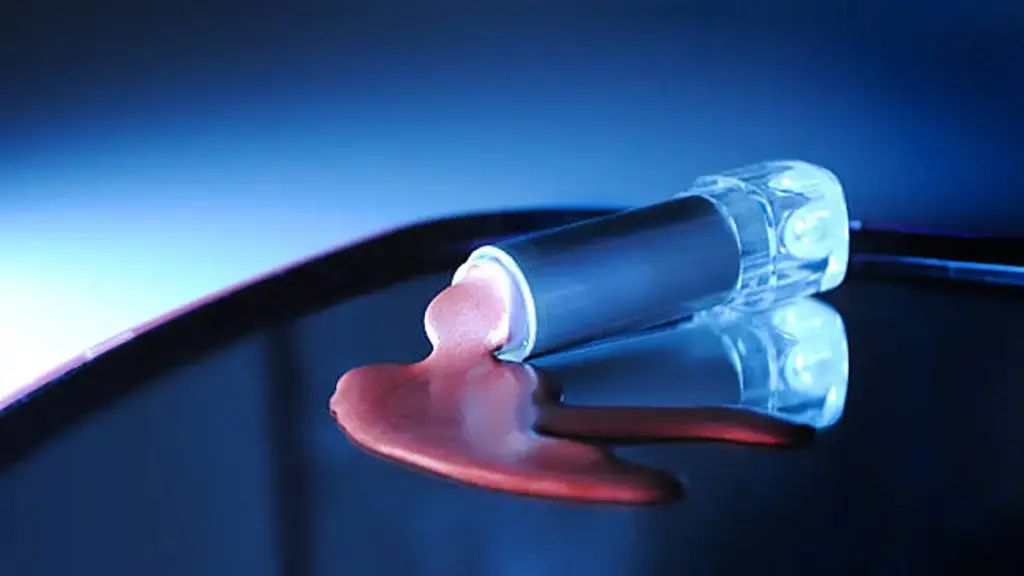
Lipstick is one of the most heat-sensitive color cosmetics during transportation. Exposure to excessive heat during shipping can cause softening, deformation, or oil separation, leading to product losses and customer complaints. Hot delivery trucks, warehouses, or long transit times can place an entire shipment at risk if proper formulation and packaging measures are not in place.
This article examines the main causes of lipstick failure during transportation by comparing formula stability with real-world shipping conditions. We evaluate how wax blends with melting points of 55–75°C react when exposed to transit temperatures that often exceed 50°C, providing a clear model for preventing heat-related damage.
Why Lipsticks Melt During Shipping
Lipsticks contain wax and oil systems designed to provide smooth application on the lips while maintaining solid structure at room temperature. However, excessive heat during shipping can weaken this structure and cause softening, sweating, or deformation.
Formulation and Low Melting Point
Most lipsticks are a simple blend of waxes, oils, and pigments. To achieve smooth application and comfortable payoff, formulators balance waxes and oils carefully. This balance gives lipsticks the right texture while keeping enough structural strength for storage and transportation. This makes them inherently vulnerable to heat. Creamy or high-oil formulas feel great but have a lower softening point than very matte sticks, which use more hard, high-melting waxes. This heat sensitivity isn’t a flaw; it’s an intentional trade-off for performance and feel.
High Temperatures in Shipping Environments
During transportation, lipsticks may encounter multiple high-temperature environments that challenge formula stability. The inside of a dark delivery van parked in the sun can easily exceed 50–60°C. Many sorting hubs and regional warehouses aren’t climate-controlled, so pallets can sit for hours in 30–40°C+ ambient heat. Even a short dwell time on a sun-baked airport tarmac or a final delivery to a hot metal mailbox provides enough thermal stress. Extended exposure to these conditions can cause some lipstick formulas to soften, sweat oil, lose shape, or in severe cases, melt completely.
Common Causes of Lipstick Melting
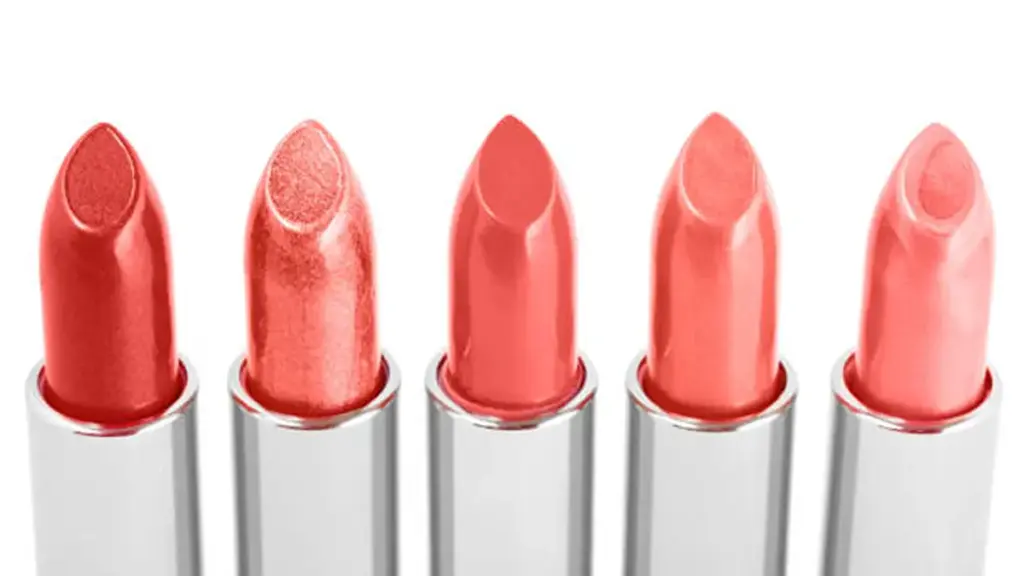
Lipstick melts when high shipping temperatures meet a formula’s heat limits, and the packaging fails to protect it. It’s a chain reaction of heat, chemistry, and packaging failure.
High Temperatures During Transportation
The most direct cause is exposure to excessive heat during shipping. Delivery vans, warehouses, and shipping containers can get incredibly hot, especially during summer months. A lipstick sitting in a dark, poorly ventilated truck can easily reach temperatures that cause it to soften, “sweat” oils, or lose its shape entirely.
This vulnerability is baked into the product. During manufacturing, lipstick formulas are typically heated to melt and combine waxes, oils, and pigments before cooling into their final solid structure. Understanding the lipstick manufacturing process also helps brands identify how cooling methods, formula balance, and production controls affect final product stability. However, the finished product does not have the same protection during uncontrolled temperature spikes in transportation, making heat stability testing essential before shipment.
Formula Heat Resistance Limitations
Not all lipsticks are created equal when it comes to heat. A formula’s stability depends entirely on its blend of waxes and oils. Formulations with softer wax systems or higher oil levels may provide better glide and comfort, but they can require additional stability optimization to withstand elevated temperatures. The trade-off is that they are far more likely to soften or collapse under heat stress.
Brands can improve heat resistance by using heavier waxes or emollients with higher viscosity. This creates a stronger internal structure that holds up better in warm conditions. But this can affect the texture, making the product feel less comfortable on the lips. It’s a constant balancing act between performance and stability.
Packaging Protection Failures
Even a well-formulated lipstick can fail if the packaging doesn’t do its job. If the lipstick bullet doesn’t fit snugly within its tube, it can shift and rub against the sides during transit. If the formula softens even slightly, this movement results in a smeared, damaged product.
Weak closures or flimsy outer boxes only make things worse. Once a lipstick softens, any pressure can cause it to leak. The packaging should protect the lipstick from physical damage by securing the bullet within the tube, while the outer packaging can provide additional protection during transport by reducing physical impact and, when required, incorporating specialized insulation materials for temperature-sensitive shipments.
Create Heat-Stable Lipstick Products
How Lipstick Formulas Affect Heat Stability
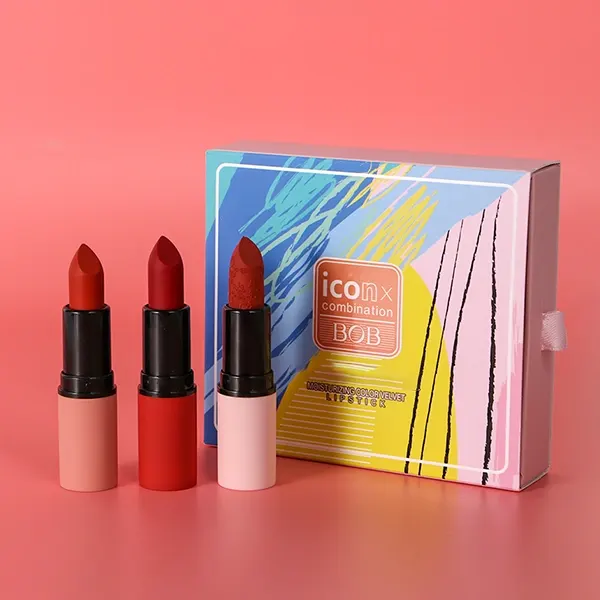
A lipstick’s heat stability depends on its wax blend providing structure, a balanced oil phase for feel, and a controlled manufacturing process creating a strong, stable crystal network.
Wax Selection
Waxes are the backbone of a lipstick. They create the solid structure that holds the formula together, controls its melting behavior, and locks in oils. Many commercial lipstick formulas are optimized within a range that balances melting behavior, hardness, and application feel, with higher heat resistance typically requiring stronger wax structures.
No single wax does the job. Formulators use a blend. High-melting point waxes like carnauba or microcrystalline wax are added to increase hardness and heat resistance. Lower-melting waxes like beeswax improve the glide and feel, but using too much can compromise the stick’s stability in the heat. Some newer formulas use advanced organogels, which can form networks that are more thermally stable than wax-only systems. This gives them better resistance to bending or deforming during shipment through hot climates.
Oil and Ester Balance
The liquid part of a lipstick—the oils and esters—must be effectively trapped inside the wax matrix. If the oil load is too high for the wax network to bind, the lipstick will “sweat” or soften under heat. This is a common failure point.
Everyone wants a lipstick that glides on smoothly. Low-viscosity oils and certain emollient esters create that great sensorial feel. But they also make the formula softer and more likely to slump or deform in a hot delivery truck. Achieving stability means balancing the feel of these oils with the structural needs of the formula. The wax system has to be tough enough to contain all the liquids, even at temperatures up to 45°C.
Melting Point Optimization
A lipstick’s stability isn’t just about its final melting point. It’s about its mechanical strength at those intermediate high temperatures it will see during shipping. The stick has to remain solid and not bend or warp at 40°C, even if its final melting point is 65°C.
The manufacturing process plays a huge role here, especially the cooling rate. Rapid cooling may affect wax crystallization, which can influence hardness, texture, and stability. A controlled, gradual cooling process creates a fine, uniform network that is much more stable, both mechanically and thermally.
To verify this, formulators use thermal cycling tests. They move finished products between cold and hot chambers repeatedly to simulate real-world transport conditions. This helps identify potential failures like sweating, cracking, or misshaping before a product gets anywhere near a customer.
Packaging and Logistics Solutions
Preventing lipstick damage during shipping requires a combination of stable formulation, protective packaging, and effective logistics management. It’s a system of smart packaging, controlled shipping, and regional awareness working together to manage temperature.
Lipsticks are fundamentally temperature-sensitive. Their wax-and-oil formulas are designed to provide smooth application while maintaining solid structure at normal storage conditions. However, prolonged heat exposure during shipping can weaken this structure. A hot delivery truck, a sun-baked tarmac, or a warehouse in July can easily push them past their structural limits. You can’t just throw them in a standard box and hope for the best. Success requires a coordinated strategy that addresses the product’s entire journey.
| Insulated Packaging | Temperature-Controlled Shipping | Regional Shipping Considerations |
|---|---|---|
|
|
|
How Manufacturers Test Lipstick Heat Resistance
Laboratories evaluate lipstick heat resistance through controlled temperature storage tests and transportation simulation testing.
High-Temperature Storage Tests
The most common method is placing finished lipsticks into stability ovens set at high temperatures, like 42–45°C. This simulates the conditions inside a hot warehouse or shipping container. Products are left in the heat for anywhere from a few hours to several weeks for accelerated aging. After the lipstick cools back to room temperature, technicians perform a full inspection, looking for defects like melting, bullet slumping, oil sweating, or changes in color and hardness. Some protocols also include freeze-thaw cycles, alternating between hot and cold, to ensure the lipstick’s structure can handle the temperature swings common during transit.
Transportation Simulation Testing
Static oven tests are good, but they don’t capture the physical reality of shipping. Transportation simulations combine high heat with mechanical stress like vibration and shock. Packaged lipsticks are placed on vibration tables inside a heated chamber to see if a warmed, softened bullet can survive constant shaking without deforming or breaking. Technicians also perform drop tests on these heat-conditioned units. This checks if a softened lipstick bullet will shear off at the base from the impact of being dropped by a handler or customer, which is a common failure point.
Choosing a Reliable Lipstick OEM Manufacturer for Heat-Stable Products
For brands developing lipstick products for global markets, selecting an experienced OEM manufacturer is essential to reducing heat-related shipping risks. Siloran specializes in color cosmetics manufacturing, providing OEM and ODM services for lipstick, lip gloss, eyeshadow, foundation, and other makeup products.
With a modern 40,000-square-meter production facility, Siloran operates GMP and ISO22716 certified manufacturing systems to ensure consistent product quality and production control through strict cosmetics manufacturing quality control procedures. The company supports customized lipstick development, including formula design, packaging solutions, and product testing based on customer requirements.
Siloran’s production capabilities include advanced filling and packaging equipment, professional R&D support, and strict quality inspection processes. By combining formulation expertise, customized packaging options, and efficient production management, Siloran helps cosmetic brands develop lipstick products that are better prepared for international transportation and changing market demands.
How to Reduce Shipping Risks for Lipstick Brands
Lipsticks melt because their formulas can’t handle real-world shipping heat. Fixing this requires a layered defense: tougher formulas, smarter packaging, and climate-aware logistics.
Physical Protections: Formulation and Packaging
The first line of defense is the product itself. Lipsticks are designed to soften near body temperature, which creates a narrow safety margin. Temperatures inside a delivery van or a sun-baked mailbox can easily hit 40–60°C, pushing many formulas past their softening point. A more robust formulation is the foundation of a shippable product.
Formulators can increase heat resistance by using a blend of waxes with higher melting points, like carnauba wax. Adjusting the oil-to-wax ratio is also critical when developing a custom lipstick formula to prevent the bullet from slumping or “sweating” oil when it gets warm. Before a formula is approved, it needs to survive stability testing that mimics shipping conditions—this means extended storage at 40-45°C and thermal cycling tests that simulate day-and-night temperature swings.
Packaging provides the next layer of protection. The right lipstick packaging has to do two jobs: insulate from heat and prevent physical damage if the bullet softens. A flimsy lipstick case will warp, and a loose cap will pop off, smearing product everywhere. The best components are rigid, have tight-fitting caps, and fully retract the bullet to minimize contact.
Secondary packaging is where you can make the biggest impact on survivability.
- Thermal Insulation: Use insulated mailers, foil-lined pouches, or box liners. Standard cardboard boxes and poly mailers offer almost no protection from heat.
- Movement Control: Custom foam inserts or molded trays are essential. They lock the lipstick in place, preventing a softened bullet from bending, breaking, or shearing off during transit.
- Shock Absorption: Wrapping individual units in bubble wrap absorbs the shocks from sorting machines and rough handling that can easily deform a warm lipstick.
- Leak Containment: Applying shrink-wrap or a tamper-evident band to each lipstick contains any mess if the worst happens and reassures the customer that the product is untouched.
Procedural Safeguards: Logistics and Operations
Even the best-packaged lipstick will fail if it sits on a hot tarmac for hours. Your logistics and fulfillment operations must treat lipstick as the temperature-sensitive product it is. This means moving beyond standard “ship it and forget it” processes.
The goal is to minimize the duration and intensity of heat exposure. Using climate-controlled trucks for line-haul shipments and storing inventory in temperature-managed warehouses establishes a baseline of control. For high-risk routes or seasons, adding gel packs to insulated shippers can actively cool the interior, buying more time. Choosing express services over economy ground reduces the total time spent in uncontrolled environments.
Operational policies are just as important. Smart brands implement rules based on real-world conditions.
- Seasonal Shipping Rules: Automatically upgrade to insulated packaging or faster shipping when the destination forecast exceeds a set threshold, like 32°C. Communicate this to the customer so they understand why.
- Warehouse Procedures: Store lipstick stock in the coolest part of the warehouse, away from exterior walls and loading dock doors. During fulfillment, pick and pack heat-sensitive items last to reduce staging time.
- Carrier Management: Schedule carrier pickups for the morning to avoid having packages sit in a hot truck all afternoon. For B2B shipments, using thermal pallet covers can shield entire pallets from radiant heat during loading.
- Customs Readiness: For international shipments, delays are a huge risk factor. Ensure all documentation—commercial invoices, packing lists, and ingredient information—is perfect to avoid having your product sit in a hot customs warehouse for days.
Finally, tracking damage rates by SKU, shipping lane, and season provides the data needed to justify these investments. When you can show that a $0.50 insulated mailer prevents a $20 product loss and a negative review, the decision becomes simple.
Frequently Asked Questions
Why do lipsticks melt so easily during cross-border shipping?
Lipsticks may melt during cross-border shipping because their wax-oil structure can lose stability when exposed to prolonged heat, especially when transportation conditions exceed the formula’s heat tolerance. Trucks, planes, and customs warehouses may expose products to uncontrolled temperatures without temperature-controlled packaging or fast clearance.
At what temperature does a standard lipstick start to melt and deform?
A standard lipstick generally begins to soften and deform between 35–45 °C. Its formal melting point is typically in the 60–65 °C range, though some high-temperature formulas can reach 75 °C.
How do cosmetics suppliers protect lipstick shipments from summer heat?
Suppliers use a mix of heat-resistant formula design, thorough stability testing, temperature-controlled logistics, and protective, insulated packaging to keep lipsticks from melting in summer heat during storage and shipping.
Can a melted lipstick be saved by putting it in a refrigerator?
Yes, if the lipstick is only softened or partially melted, refrigeration can re-solidify it and make it usable again. If it is broken or badly deformed, you may need to repot it into a small container after chilling it.
What testing checks if a lipstick can survive hot container transit?
To check if a lipstick can survive hot transit, suppliers use a combination of tests. These include bulk thermal tests like dropping point analysis, environmental conditioning tests on the packaged product, and transport simulation tests that apply real-world temperature and vibration profiles.
Is thermal shipping insurance required for overseas cosmetic sourcing?
Thermal shipping insurance is not legally required for cosmetics. Yet, it is commercially essential when sourcing heat-sensitive products like lipsticks, especially for shipments passing through hot climates or during summer months.
Considerações finais
Relying on standard shipping for a heat-sensitive product is a direct gamble against your brand’s reputation. While cheaper upfront, a single failed shipment of melted lipstick erodes profit, market trust, and customer loyalty. A tested system of formulation, packaging, and logistics isn’t an expense—it’s essential insurance for your product’s integrity.
Working with an experienced lipstick manufacturer and using validated shipping strategies, including responsible sustainable lipstick manufacturing practices, can help brands reduce heat-related failures and protect product quality throughout the supply chain. Let our team analyze your product specs and shipping lanes to engineer a cost-effective thermal protection strategy. Contact us to schedule a technical consultation and safeguard your inventory.


 Portuguese
  English
  Arabic
  Dutch
Dutch  French
  Russian
  Spanish