
Developing a stable waterproof formulation requires balancing extreme hydrostatic resistance with a flexible lash feel. Pushing chemical matrices past standard threshold limits without targeted plasticizers results in rigid polymer films that crack under pressure, damaging natural lashes and driving up negative consumer feedback.
This analysis breaks down the chemical architecture needed to meet strict testing requirements like ASTM D751. We evaluate hydrostatic barriers exceeding 10,000 mmH2O alongside precise volatile solvent ratios to help you engineer a resilient emulsion that survives severe physical stress without premature phase separation.
What Makes Mascara Waterproof? Core Formulation Principles
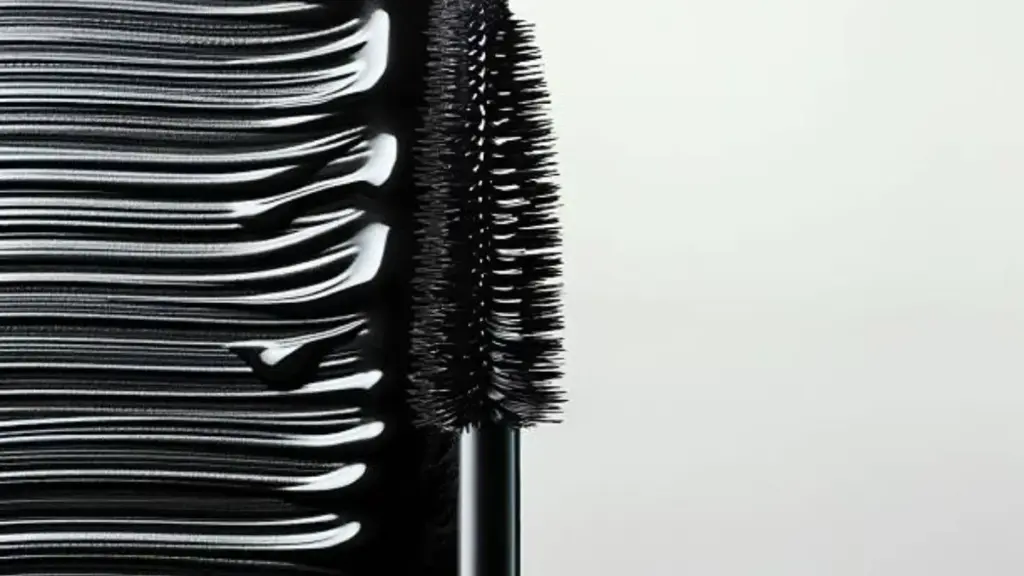
Водонепроницаемый тушь для ресниц relies on inverted water-in-oil emulsions or anhydrous formulas. Volatile solvents, waxes, and film-forming polymers create a lipophilic shield that actively repels moisture and humidity.
The Inverted Emulsion Strategy
Standard mascaras typically use oil-in-water (O/W) emulsions, which feel light but dissolve easily when they come into contact with moisture. To achieve waterproof performance, formulators flip this structure into a water-in-oil (W/O) emulsion.
- Lipophilic Shield: This “inverted” structure places a water-resistant oil phase on the outside.
- Moisture Block: The external layer acts as a physical barrier, protecting the internal water and pigments from tears, sweat, and humidity.
Anhydrous (Water-Free) Systems
For maximum durability, many high-performance formulations remove water entirely. These anhydrous formulas rely on dense wax dispersions suspended in non-aqueous, volatile solvents.
- Zero-Water Stability: Without water, there is no risk of bacterial growth or premature evaporation from the core, ensuring the formula remains stable in extreme conditions.
- Maximum Resistance: These systems provide the highest level of resistance against external fluids because they lack any hydrophilic components that could trigger smudging.
The Phase-Transition Mechanism
The transition from a liquid product to a waterproof coating occurs through a rapid phase-transition:
- Carrier Evaporation: Upon application, volatile carriers begin to evaporate immediately.
- Film Locking: As the solvents vanish, the waxes and resins “lock” together to form a continuous, hydrophobic film that adheres tightly to the lash shaft.
Key Waterproof Mascara Ingredients
Waterproof mascara performance hinges on a precise balance of volatile solvents, structural waxes, and flexible resins to create a durable, non-soluble barrier against moisture.
| Ingredient Category | Primary Examples | Function in Formula |
|---|---|---|
| Volatile Solvents | Isododecane, Isoparaffins | Evaporates rapidly to set the formula without tackiness. |
| Structural Waxes | Carnauba, Beeswax, Tribehenin | Forms the moisture-resistant backbone and adheres pigments. |
| Film-Forming Resins | VP/Eicosene Copolymer, Polyurethane-35 | Creates a flexible, breathable shield that extends wear time. |
Role of isododecane in quick-dry systems
Isododecane serves as the primary volatile solvent in high-performance waterproof formulas. It evaporates rapidly upon application, setting the mascara instantly without absorbing into the lashes or surrounding skin. This rapid evaporation prevents smudging during the critical seconds right after you apply the product.
Chemists rely on this solvent because it easily dissolves non-water-soluble film formers and pigments. It stabilizes the mixture, allowing the wand to distribute color evenly. By formulating with high concentrations of isododecane, manufacturers completely eliminate sticky residue, leaving behind a lightweight, non-oily finish that holds up under pressure.
Wax structures and their impact on adhesion
Natural and synthetic waxes form the structural backbone of any waterproof mascara. They build a thick, protective coating around each lash that actively repels moisture. Different waxes serve distinct mechanical functions within the blend.
- Carnauba Wax: Delivers a high melting point and a glossy finish, stabilizing the mascara while providing intense smudge resistance.
- Beeswax and Microcrystalline Waxes: Coat the hair shafts heavily to prevent water dissolution and maintain the physical shape of the curl.
- Synthetic Waxes (e.g., Tribehenin): Thicken the overall consistency, allowing pigments to adhere smoothly without clumping.
Film-forming resins for durability and flexibility
Waxes repel water, but film-forming resins ensure the mascara survives a full day of blinking, sweating, and eye movement. These resins cure into a permeable, non-tacky shield on the lashes. They resist water penetration while retaining enough physical flexibility to prevent the dried formula from cracking or flaking.
- VP/Eicosene Copolymer: Entraps dense pigments and drastically boosts water resistance to extend the total wear time.
- Trimethylsiloxysilicate: Adds a breathable silicone barrier that locks the product in place without adding heavy stiffness.
- Polyurethane-35: Delivers a sleek, fluid application while adhering the product firmly to the lash surface.
Launch High-Margin Custom Mascara Lines
Balancing Waterproof Performance and Lash Feel
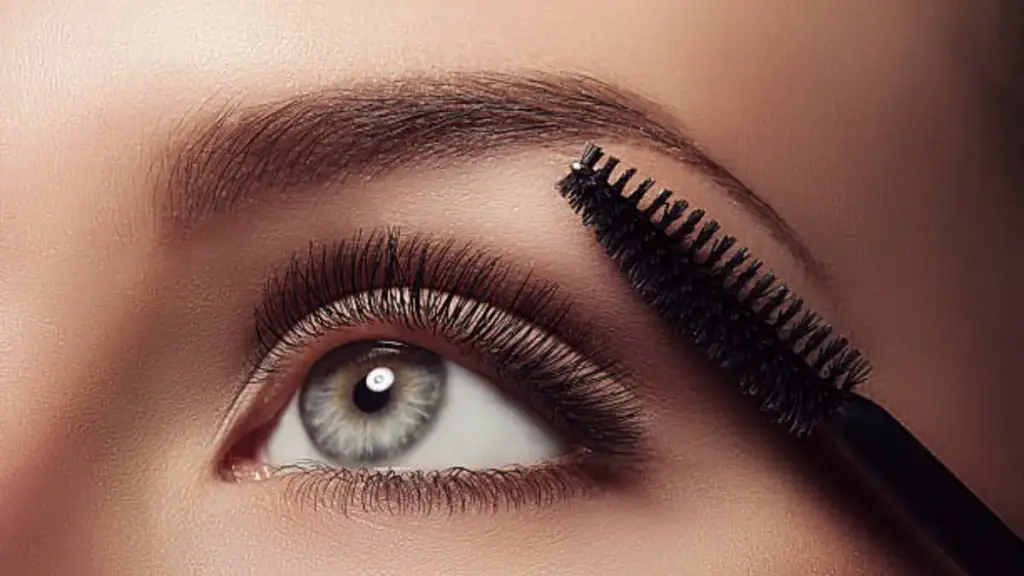
Balancing mascara durability and lash softness requires precise hydrostatic ratings and targeted emollients to prevent cracking while maintaining a flexible feel.
Hydrostatic Resistance and Testing Standards
Formulators measure waterproof efficacy using exact hydrostatic resistance metrics. We adapt standardized tests like ASTM D751 and EN 20811 to quantify how well the mascara film withstands water pressure without compromising lash integrity.
- Baseline Performance: 1,500 to 3,000 mmH2O provides reliable water resistance while keeping lashes soft and flexible.
- Extreme Ratings: Pushing past 10,000 mmH2O delivers maximum durability but risks stiff, brittle lashes if left unbalanced.
Pushing for extreme ratings requires chemical trade-offs. When developers target hydrostatic limits over 10,000 mmH2O, they must incorporate targeted emollients to prevent the rigid polymer film from stiffening or cracking on the user’s lashes.
Formulation Strategies for Lash Flexibility
Achieving a flexible lash feel in high-concentration waterproof systems relies on precise ratio control. Chemists select film-forming polymers with low glass transition temperatures to ensure the coating bends naturally.
- Natural Waxes: 20 to 30 percent loading builds structural volume and adhesion.
- Silicone Integration: 5 to 10 percent dimethicone repels water while maintaining a smooth surface texture.
- Plasticizers: 2 to 5 percent additions, such as castor oil derivatives, counter the inherent brittleness of heavy waterproofing agents.
These targeted plasticizer ratios ensure the mascara formula bends without flaking during all-day wear. By balancing heavy film-formers with conditioning agents, formulators consistently achieve high softness scores in blind sensory panels without sacrificing the waterproof baseline.
Formulation Strategies for Long-Lasting (24H) Smudge Resistance
Achieving 24-hour smudge resistance requires a strategic matrix of hydrophobic polymers, hard waxes, and oil-absorbing powders. To ensure the formula survives both moisture and natural sebum, formulators prioritize three core pillars:
- Triple-Action Barriers: High concentrations of Carnauba and Candelilla waxes provide heat-resistant structure, while acrylate copolymers form a flexible, sweat-proof shield. Kaolin clay or magnesium stearate is integrated to actively absorb skin oils, preventing pigment transfer.
- Surface Tension Control: Advanced systems lower surface energy to approximately 22.72 mJ/m². This physical mechanism causes water and oils to bead and slide off the lash rather than penetrating the pigment layer.
- Kinetic Setting & Removability: Rapid-dry volatile systems set the barrier in seconds to prevent initial smudging. Finally, strategic emollient blending ensures that while the film withstands humid climates, it remains compatible with biphasic removers for safe, non-abrasive removal.
Manufacturing Process Control for Waterproof Mascara Stability
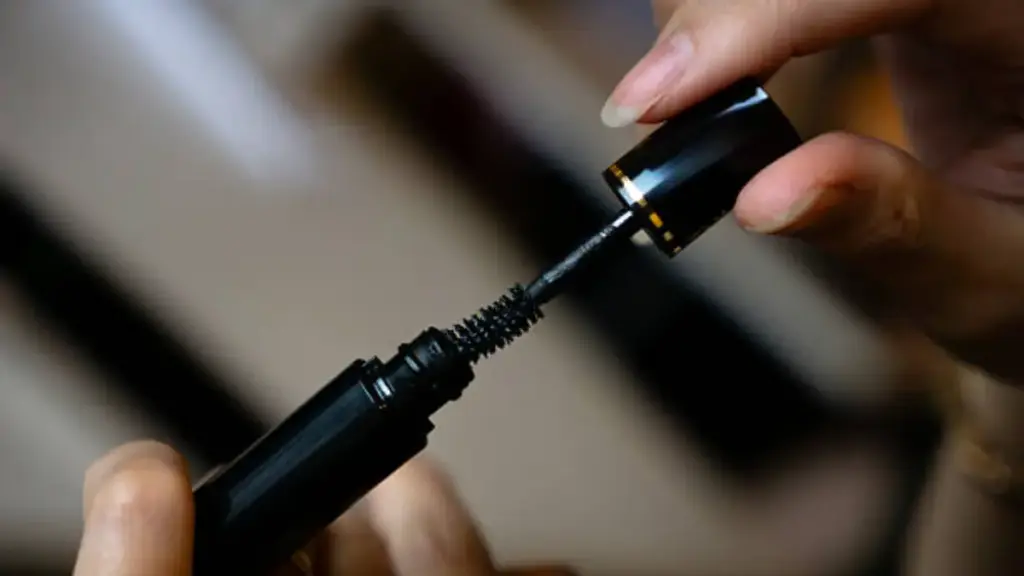
Precision in the mascara manufacturing process is critical to preventing phase separation and ensuring long-term shelf stability. Controlling the cooling phase is the most vulnerable window; mixing speeds must be precisely synchronized with wax crystallization to prevent shear stress from fracturing the emulsion. Continuous homogenization and rigid temperature regulation are mandatory to stabilize both W/O and anhydrous systems.
To maintain integrity during packaging, we utilize positive displacement fillers equipped with pressurized systems. This setup eliminates air pockets and prevents highly volatile solvents from evaporating before the final seal.
Stability is validated through aggressive mechanical stress protocols:
- Thermal Cycle Testing: Alternating samples between -10°C and 45°C to simulate extreme environmental fluctuations.
- Centrifugal Stress: Centrifuging heated samples at 3000 rpm to detect early-stage creaming or oil separation.
- Evaporation Tracking: Monitoring weight loss over three months, ensuring total evaporation remains strictly below 1% per month to guarantee a consistent consumer experience and extended shelf life.
Testing Methods: Stability, Water Resistance, and Wear Performance
To validate high-performance durability, our testing protocols bridge the gap between laboratory chemistry and real-world exposure through three critical metrics:
- Water Resistance (Hydrostatic & Surface): We quantify impermeability using ISO 811 and AATCC 127 standards. By measuring the hydrostatic head and ensuring water contact angles exceed 90 degrees, we verify that the lipophilic barrier actively repels moisture at a microscopic level.
- Stability (Mechanical Stress): Formulations undergo rigorous immersion and splash simulations to track core weight gain. Samples are subjected to aggressive abrasion and flexing cycles to ensure the polymer film maintains its structural integrity without flaking or losing adhesion under physical abuse.
- Wear Performance (Environmental Endurance): Utilizing sensor-equipped mannequins and long-term field trials, we capture real-world permeability data. Post-wear metrics involve re-evaluating the hydrostatic head after mechanical degradation to guarantee the mascara retains its original repellent properties throughout extended 24-hour wear.
Regulatory and Safety Requirements for Waterproof Eye Makeup
The FDA regulates waterproof eye makeup post-market, demanding rigorous safety testing, comprehensive ingredient labeling, and the strict exclusion of banned toxic substances to protect ocular health.
FDA Oversight and Ingredient Restrictions
The US FDA classifies waterproof eyeliner and mascara as cosmetics. Manufacturers carry the legal burden to guarantee product safety before market release, operating without mandatory pre-approval from the agency.
To maintain market access, formulators must actively exclude prohibited substances that pose severe risks to ocular health. The FDA enforces strict bans on several chemical profiles.
- Industrial Chemicals: Chloroform, vinyl chloride, and aerosol zirconium.
- Hazardous Pigments: Non-eye-safe color additives, specifically permanent eyelash tints.
- Toxic Minerals: Traditional kohl formulations linked to lead poisoning.
Safety Testing and Labeling Mandates
Brands execute strict eye irritation testing to categorize formulations as corrosive, irritant, or non-irritant. These testing protocols verify the safety profile of common high-performance ingredients, including silicones like dimethicone, petroleum waxes, and synthetic dyes, ensuring they do not trigger ocular damage or severe allergic responses.
Packaging and labeling laws dictate exact compliance measures for cosmetic companies before their products hit shelves.
- Complete Disclosures: Companies must print all ingredients directly on the primary packaging.
- Mandatory Warnings: Brands must display explicit warning statements if they lack substantiated safety data for the product.
- Protective Packaging: Formulas containing high levels of low-viscosity hydrocarbons require child-resistant closures to prevent accidental ingestion or exposure.
Заключительные мысли
While generic производители косметики offer lower upfront costs, investing in precise volatile solvent and structural wax ratios is the only way to safeguard your brand against stiff lashes and smudging. Relying on cheap film-forming polymers directly causes phase separation on the shelf and disastrous customer reviews. A balanced, FDA-compliant waterproof formulation guarantees 24-hour endurance while protecting ocular safety and user comfort.
Stop guessing on formula stability and verify the performance yourself. We recommend requesting a lab sample of our quick-drying, high-resistance mascara base to evaluate the superior lash lift and wear time firsthand. Contact our formulation team to discuss your specific OEM requirements and secure a reliable manufacturing partner.
Часто задаваемые вопросы
What makes mascara waterproof?
The secret lies in water-in-oil (W/O) emulsions or anhydrous bases. High concentrations of volatile solvents like isododecane evaporate quickly, leaving behind a hydrophobic shield of waxes and film-forming polymers that actively repel moisture and humidity.
Is waterproof mascara bad for eyelashes?
The formula isn’t inherently toxic, but its rigid coating can make lashes brittle. Most damage occurs during improper removal. Aggressive rubbing to break down hydrophobic polymers causes lash breakage; using oil-based removers is essential to maintain lash health.
Why does waterproof mascara smudge on oily lids?
While waterproof formulas repel water, they remain lipophilic (oil-soluble). Natural sebum, eye creams, or moisturizers act as solvents, dissolving the polymer film and causing pigment transfer. Setting eyelids with oil-absorbing powder can physically block this migration.
What are the best solvents for waterproof mascara?
Chemical “like dissolves like” principles apply here. During manufacturing, petroleum distillates dissolve heavy waxes. For removal, hydrophobic solvents—such as jojoba oil, olive oil, or professional bi-phase removers—efficiently penetrate the polymer shield without requiring harsh scrubbing.
How do manufacturers test waterproof performance?
Labs quantify durability using hydrostatic pressure tests (mmH2O) and ISO 811 standards. Performance typically ranges from 1,500mm to over 10,000mm. Additional protocols include rotating rain spray chambers and timed immersion testing to simulate extreme environmental stress.
Are there natural waterproof ingredients?
Yes. Formulators utilize bio-based alternatives like beeswax, lanolin, and carnauba wax to build hydrophobic barriers. Drying plant oils, including jojoba and linseed, provide natural water repellency while maintaining a breathable, flexible layer on the lash surface.