

The evolution of blush manufacturing reflects a global demand for sophisticated finishes, ranging from weightless mists to velvet-pressed powders. Achieving a stable, high-pigment formula requires a rigorous balance of stabilizers and fine-milling processes. This analysis provides an insider’s view of the production floor, covering the critical steps of ingredient integration and quality testing that ensure every batch maintains professional-grade consistency.
The History and Importance of Blush
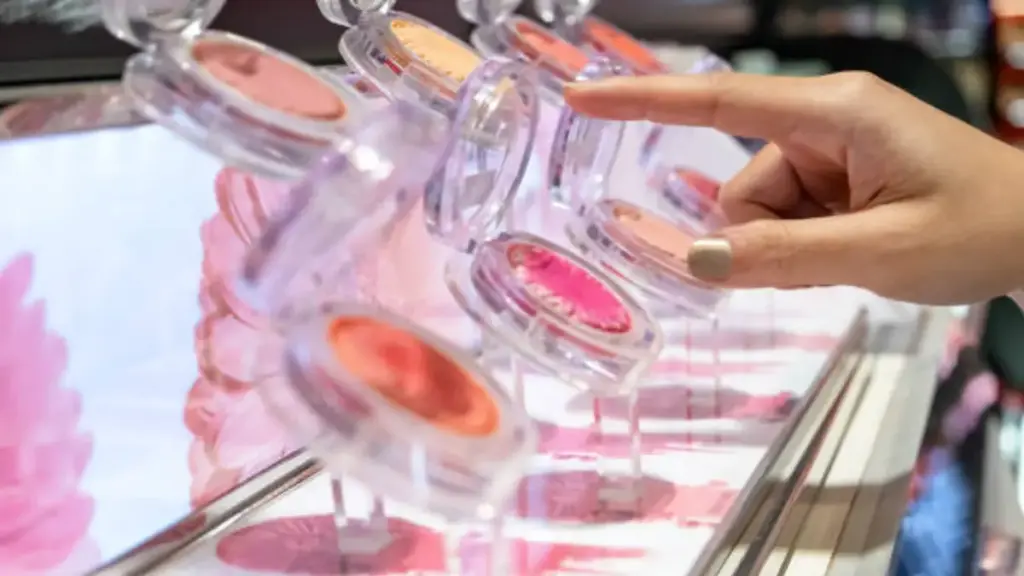
Blush traces its origins to ancient Egypt, where both men and women utilized ground minerals like red ochre and carmine to enhance their complexion. Applied with fingers or rudimentary tools, these early pigments laid the technical foundation for mineral-based cosmetics. Over centuries, the industry transitioned from raw crushed minerals to sophisticated synthetic and plant-derived formulations, focusing on safety, grind fineness, and adherence to the skin’s surface.
Beyond a mere pop of color, modern blush serves as a versatile tool for facial structural correction. A strategically applied shade can visually shorten the mid-face, recede the cheekbones for a sculpted look, or create an “atmosphere” that harmonizes the entire makeup palette. By manipulating light and shadow, the right formula lifts the face and counteracts dullness. Modern custom manufacturing enables brands to fine-tune these textures, ensuring the pigment interacts perfectly with varying skin undertones for a natural, healthy glow.
How Is Custom Blush Formulated?
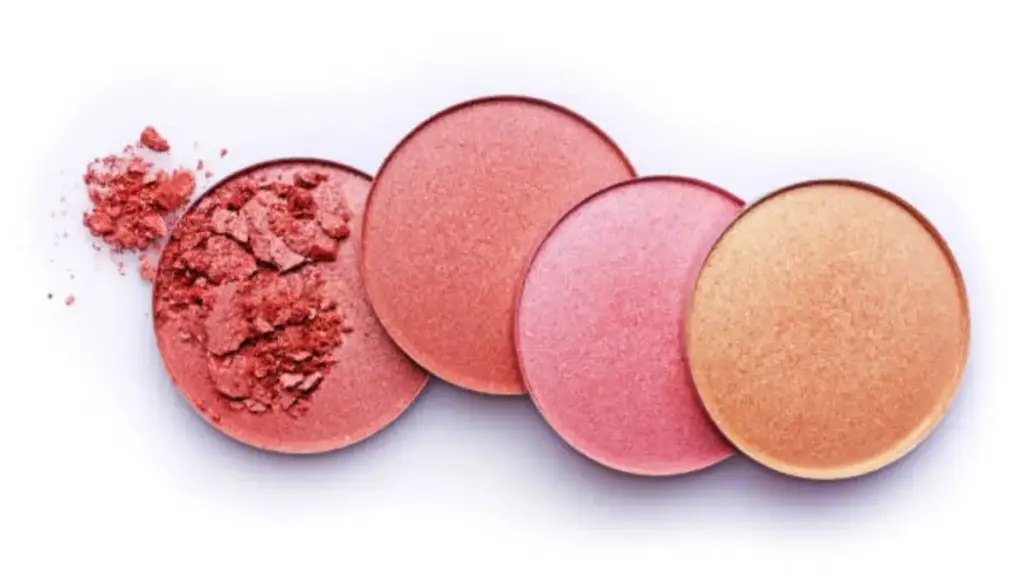
El fabricación de maquillaje journey for custom blush involves a systematic technical workflow to ensure skin compatibility and color precision. Below is a technical breakdown of the formulation and production sequence
Ingredient Selection
Formulation begins with blending high-purity pigments, binders, and functional fillers. Iron oxides provide color depth, while mica or talc optimizes skin feel. Selecting skin-compatible stabilizers ensures product longevity and safety. Choosing the right raw materials directly dictates the final color payoff and the formula’s adherence to various skin types.
Mixing and Milling
Once selected, ingredients undergo high-speed blending and milling to achieve a uniform consistency. This stage ensures pigments and binders distribute evenly, preventing oxidation or color streaks. Fine milling results in a smooth, velvety finish, whereas controlled coarser grinds produce a specific matte effect, determining how the powder glides upon application.
Pressing and Shaping
The mixture is pressed into metal pans or molded into cream and gel formats. Precise pressure control prevents the product from crumbling while ensuring it remains soft enough for brush pickup. This balance is what distinguishes a high-end pressed powder from a budget formula, ensuring structural integrity during transit and daily use.
Quality Control and Testing
Every batch undergoes stability and dermatological testing to verify hypoallergenic properties. Testing protocols simulate different environmental conditions to ensure the texture and shade remain consistent over time. Wear tests evaluate longevity and skin performance, identifying potential formula adjustments before moving to the final assembly line.
Packaging Preparation
The final product is housed in containers ranging from traditional compacts to eco-friendly, refillable designs. Packaging serves to protect the formula from humidity and impact while reflecting the brand’s aesthetic. Technical considerations include airtight seals for cream formulas and drop-test durability for pressed powders to ensure a premium user experience.
How Do Cost and Scale Impact Custom Blush Manufacturing?
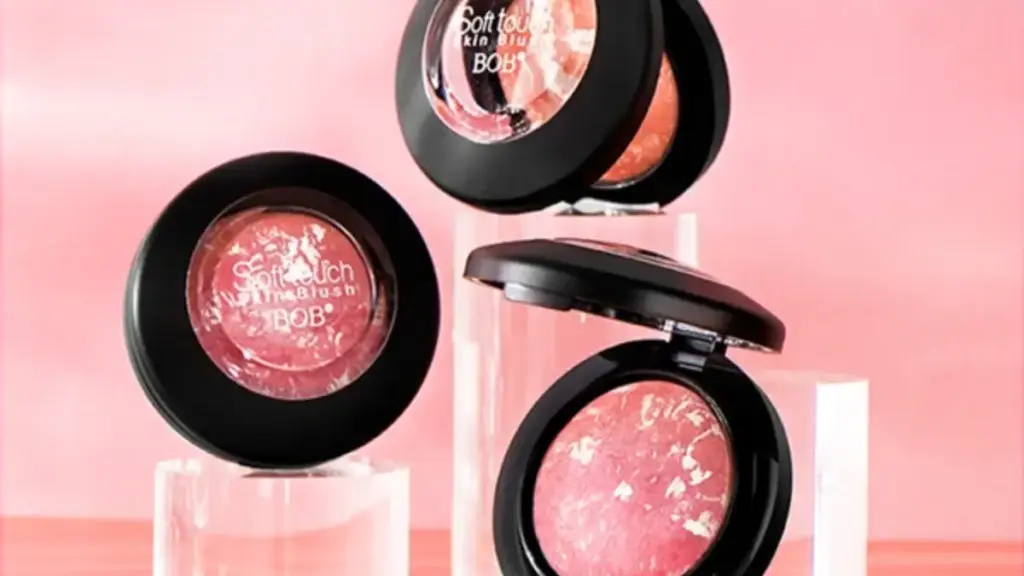
The financial blueprint of blush production depends on the equilibrium between technical complexity and volume. Navigating the costs requires a detailed understanding of how formula sophistication and batch size dictate the final unit price.
Total Cost Calculation
Manufacturing costs are categorized by material grades, labor intensity, and structural complexity of the packaging. Below is a breakdown of the primary cost drivers in a professional production line:
- Formulation & Raw Materials ($0.50 – $2.50 per unit): Standard iron oxide pigments are cost-effective, while premium mineral-based pigments, organic fillers, or specialized sun-protection additives (SPF) increase the per-unit price.
- Packaging & Tooling ($0.30 – $5.00+ per unit): Basic plastic compacts represent the lower end. Custom-molded palettes, eco-friendly bamboo, or magnetic refillable systems require higher upfront investment in tooling and assembly.
- Labor & Quality Assurance (15% – 25% of total cost): This includes precision mixing, manual pressing for artisanal finishes, and multi-stage stability testing to ensure global market compliance.
- Regulatory & Certification Fees: Costs vary based on the requirement for organic, vegan, or clinical dermatological certifications requested by the brand.
Small Batch vs Mass Manufacturing
Production scale dictates the manufacturing methodology and the level of accessible customization. Understanding these differences allows brands to align their inventory strategy with market positioning:
Small Batch Production (MOQ 500 – 2,000 units): This scale prioritizes agility and exclusivity. It allows for niche “hero” products and limited-edition seasonal shades. While the cost per unit is higher due to less automation and smaller material procurement, it minimizes inventory risk for emerging brands or high-end boutiques.
Mass Manufacturing (MOQ 10,000+ units): High-volume production leverages automated pressing and high-speed assembly lines, significantly reducing labor costs through economies of scale. This approach is optimized for mass-market distribution where price competitiveness is paramount, though it typically requires standardized packaging and established formula bases to maintain efficiency.
Trends and Innovations in Blush Manufacturing
Blush manufacturing is shifting toward higher formulation precision and faster product development cycles. Several key directions are shaping this evolution:
Clean and Skin-Compatible Formulas
Formulators now focus on ingredient transparency and skin tolerance. Talc-free systems, micronized mineral pigments, and silicone-treated powders improve adhesion and reduce irritation risk. This approach supports stable blush color performance while meeting stricter regulatory and consumer standards.
Vegan and Performance-Driven Alternatives
Replacing traditional animal-derived components is no longer just ethical—it is technical. Advanced plant-based waxes and synthetic mica provide comparable payoff, slip, and wear time. In many cases, lab-engineered pigments deliver more consistent color dispersion than natural sources.
Precision Shade Development
Shade customization has moved from manual adjustment to data-supported formulation. By controlling pigment ratios at ±0.1% accuracy, manufacturers can replicate exact blush color targets across batches. This is critical for brand consistency, especially in large-scale production.
Multi-Functional Formats
Products like blush and lip tint hybrids require balanced viscosity, transfer resistance, and skin feel. These hybrid systems often rely on dual-phase emulsions or gel networks to perform well on both lips and cheeks.
Process and R&D Innovation
Modern factories invest heavily in Investigación y desarrollo to shorten development cycles. Automated dispersion, vacuum pressing, and real-time stability testing improve efficiency and reduce variation. At the same time, package design is developed in parallel with formulation to ensure compatibility, durability, and brand differentiation.
How to Partner With a Custom Blush Manufacturer for Your Brand
For buyers, the process should be clear and efficient. A typical workflow includes:
1. Define Product Brief
Confirm target blush color, texture (matte, shimmer, cream), ingredient standards (vegan, talc-free), and price range. Clear specs reduce sampling time.
2. Lab Sampling and Adjustment
Request 2–3 formula options. Focus on pigment payoff, blendability, and stability. Most professional labs can finalize a shade within 7–14 days.
3. Cost and MOQ Alignment
Check unit cost at different volumes. Typical MOQ ranges from 3,000–12,000 units depending on formula and package design.
4. Compliance and Testing
Ensure the factory supports stability tests, microbial tests, and regulatory documentation (FDA/EU compliance if needed).
5. Production and QC Control
Confirm lead time (usually 30–45 days) and in-line quality checks to avoid batch variation.
In custom blush manufacturing, success comes from tight control over formula, cost, and execution. That’s where Silorán stands out. As a specialized private label cosmetics manufacturer, Siloran offers strong R&D, precise shade matching, flexible MOQ, and reliable scale-up from sampling to mass production. If you are planning your next blush line, now is a good time to connect with Siloran and turn your concept into a market-ready product.

 Spanish
  English
  Arabic
  Dutch
Dutch  French
  Portuguese
  Russian