

When a new lipstick brand enters the market, the first big decision often sounds simple: liquid or solid lipstick?
As a manufacturer, I can say this clearly: there is no universal “better” option. There is only the option that fits your brand goals, audience, and cash flow strategy. Liquid lipstick feels modern and bold. Solid lipstick feels stable and timeless. Each brings different risks and returns.
In this article, I’ll break down both and focus on one key question: which one gives a higher return on investment (ROI) for a new brand? We’ll look at costs, margins, audience behavior, and 2026 market trends, using real production logic instead of theory.
What Is Solid Lipstick: The Timeless Classic
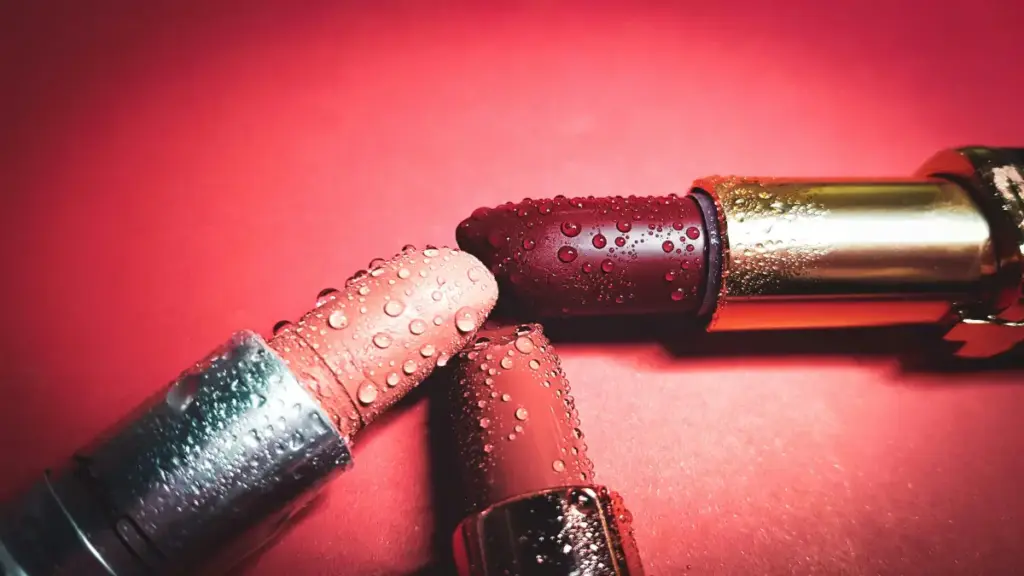
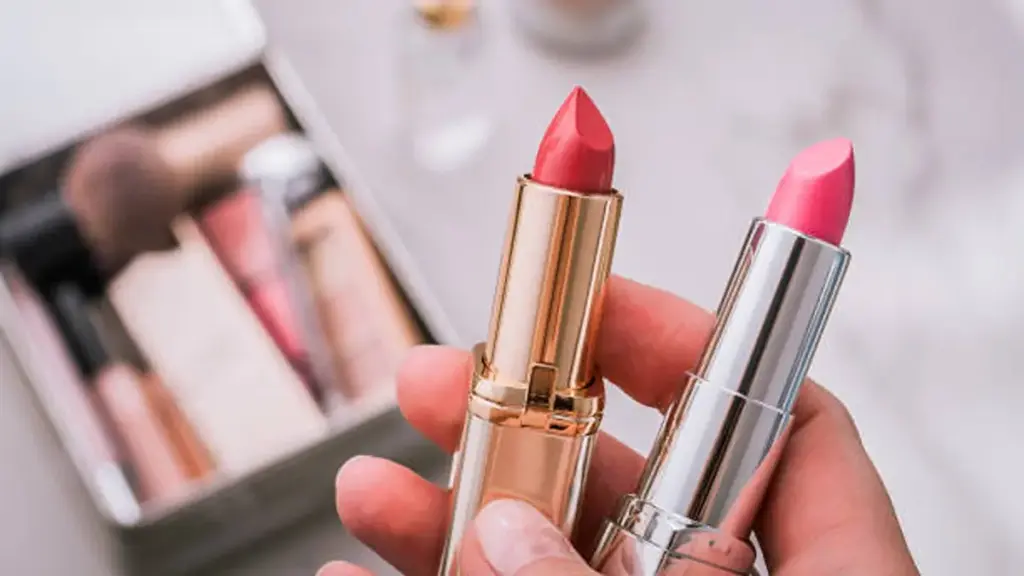
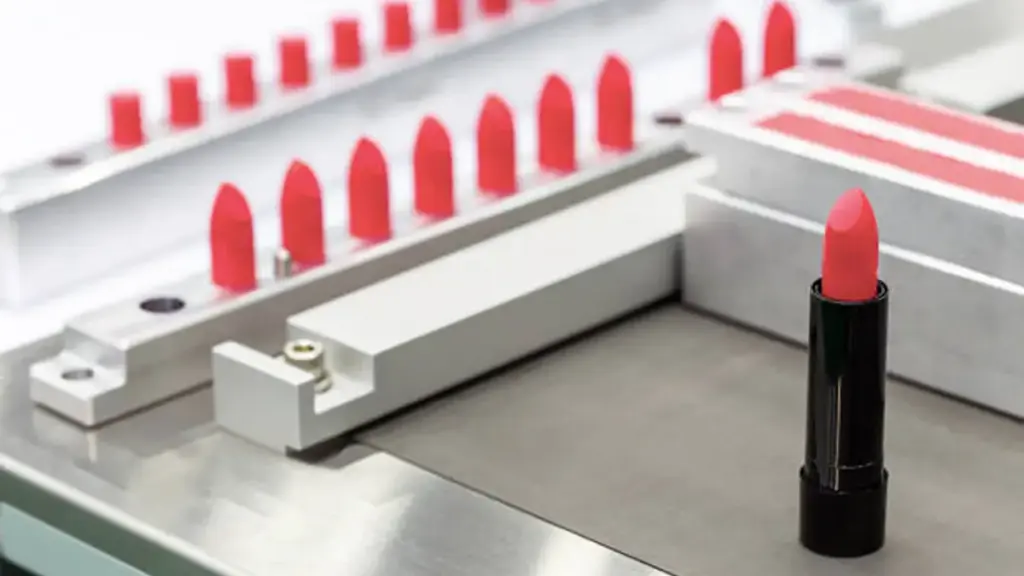
Solid lipstick is a wax-based stick formula that has defined the lip makeup market for decades. Its structure is stable and reliable, formed through pouring or molding, then cooled and set into a tube for daily use.
Most formulas contain 25–35% waxes for shape and 45–55% oils for glide and comfort. By adjusting this balance, manufacturers can create finishes ranging from smooth glossy lipstick to soft matte lipstick, making solid lipstick a long-term core product for many brands.
Pros of solid lipstick
- Lower and more predictable production costs
- High formula stability and long shelf life
- Easy to adapt into matte, satin, or glossy finishes
- Familiar usage experience that encourages repeat purchase
Cons of solid lipstick
- Shorter wear time compared with long-wear liquid formulas
- Less visual impact for trend-driven or bold launches
From a manufacturing standpoint, solid lipstick offers control, efficiency, and dependable performance—key factors for new brands building their first product line. It may not look “new,” but it rarely feels risky.
What Is Liquid Lipstick: The Long-Wear Innovator
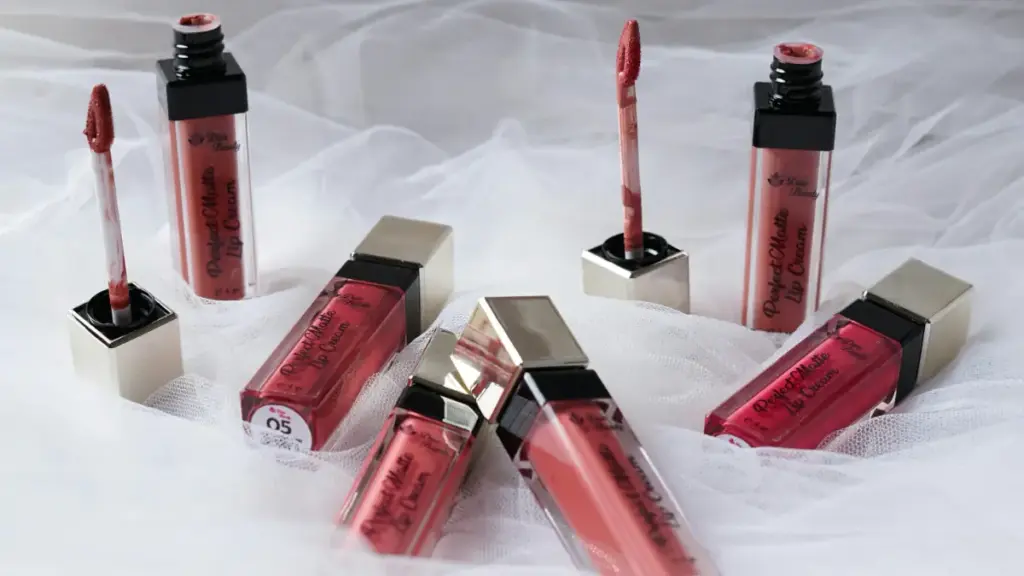
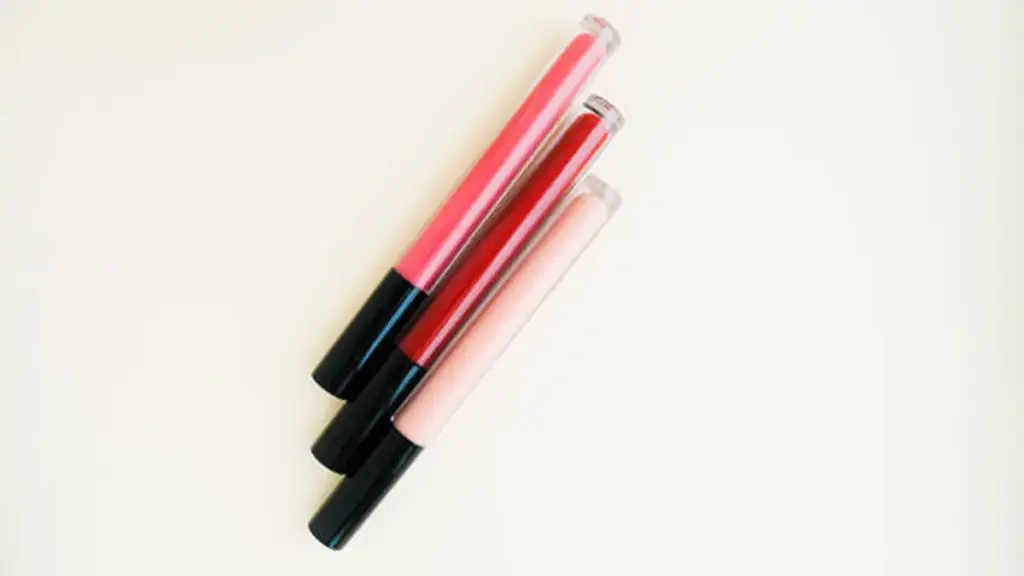
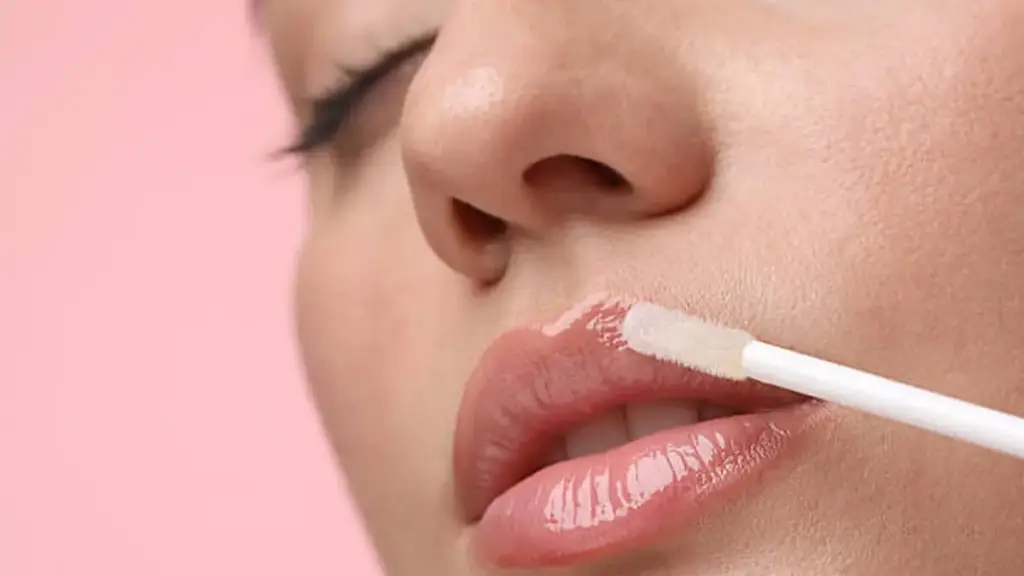
Liquid lipstick developed to meet a clear demand for longer wear and stronger color payoff. It is applied as a fluid and then sets into a thin, even film on the lips, creating a more defined and lasting finish.
Its performance depends on precise formula balance. Most long-wear liquid lipsticks contain 10–20% volatile solvents and 5–10% film-formers, supported by dispersants and treated pigments that help lock color in place.
Pros of liquid lipstick
- 6–8 hours long-wear and transfer resistance
- High color payoff with strong visual impact
- Well suited for bold shades and trend-led launches
Cons of liquid lipstick
- Higher formula and production costs
- Greater risk of dryness if the formula balance is off
- More complex filling and stability control
From a product strategy view, liquid lipstick delivers performance and attention—but it requires precise formulation and tighter quality control to protect brand ROI.
Which Lipstick Type Delivers the Best ROI for Your Brand?
ROI is not just about selling price. It is about how much you invest before the product reaches the customer—and how fast that investment comes back.
Market Pricing Benchmarks from Leading Brands
Looking at how established brands price solid and liquid lipsticks gives a useful reference.
| Brand | Market Tier | Tipo de produto | Format | Typical Lipstick Price |
|---|---|---|---|---|
| e.l.f. | Entry-level | Cream Lipstick | Solid | $5–7 |
| Maybelline | Entry-level | SuperStay Matte Ink | Líquido | $9–11 |
| MAC | Mid-range | Matte / Satin Lipstick | Solid | $22–25 |
| MAC | Mid-range | Retro Matte Liquid Lipcolour | Líquido | $24–27 |
| Chanel | Premium | Rouge Allure | Solid | $45–48 |
| Dior | Premium | Rouge Dior Forever Liquid | Líquido | $42–48 |
The pattern is consistent: liquid lipstick often commands a higher price, but the gap is usually modest. Price alone does not define ROI.
Production Costs and Efficiency
Solid lipstick wins on efficiency. Production speed is faster. Equipment downtime is lower. MOQ requirements are easier to meet.
Liquid lipstick needs more testing. Stability tests take longer. Packaging components like wands and stoppers add complexity. A small mistake in filling can lead to leaks or air bubbles.
For a brand testing the market, solid lipstick allows faster iteration. You can launch, collect feedback, and adjust shades with less financial pressure.
Profit Margins
Because of lower production risk, solid lipstick often delivers more predictable margins. Packaging options are flexible, from basic tubes to premium metal cases. You can scale price without changing the core formula.
Liquid lipstick usually sells at a higher retail price, often 10–20% higher than solid lipstick in the same brand tier. However, higher retail does not always mean higher margin. Formula cost, filling loss, and defect rates eat into profits.
In practice, we can see:
- Solid lipstick gross margin: 60–70%
- Liquid lipstick gross margin: 55–65%
The difference looks small, but for a new brand with limited volume, it matters.
Repeat Purchase and Lifecycle Value
ROI is not just about the first sale. Solid lipstick benefits from higher repeat purchase rates, especially among daily users who value comfort and ease. Shades stay relevant longer, and product lifecycles are more stable.
Liquid lipstick attracts attention fast, but trends move quickly. Colors and textures can date faster, which shortens the product lifecycle. Without strong brand loyalty, repeat rates may be lower.
In the long run, solid lipstick often delivers steadier ROI, while liquid lipstick offers higher upside only when supported by strong execution and demand.
Target Audience and Brand Positioning
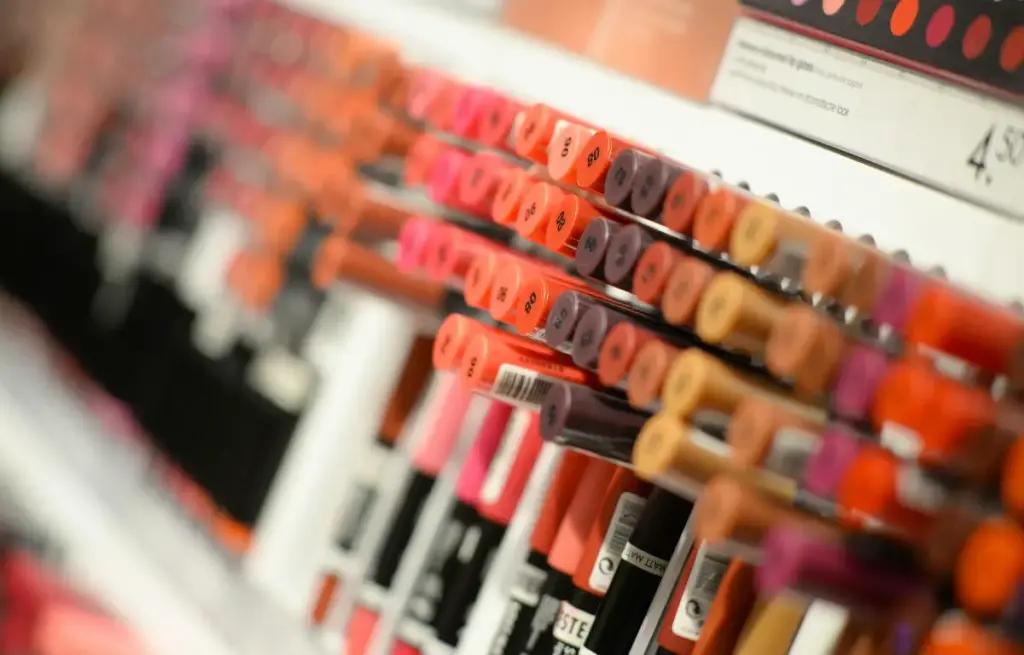
ROI improves when the product fits the buyer. This is where many brands misjudge the market.
Who Prefers Liquid Lipstick?
Liquid lipstick attracts:
- Younger consumers (often 18–35)
- Trend-focused buyers
- Users who value long wear and bold color
- Social-media-driven shoppers
They accept some dryness in exchange for performance. They also respond strongly to visuals and claims.
However, this group is also quick to switch brands. Loyalty is lower. Marketing costs tend to be higher.
Who Loves Solid Lipstick?
Solid lipstick appeals to:
- Daily makeup users
- Office professionals
- Mature consumers
- Buyers focused on comfort and ease
They value smooth glide, lip care, and a natural finish. They repurchase more often and stay loyal longer when satisfied.
From a lifetime value view, this audience is quieter but more stable.
How Audience Preferences Influence Product Strategy
If your brand relies on fast traffic and viral content, liquid lipstick fits better. If your brand aims for repeat orders and steady growth, solid lipstick often delivers better ROI over time.
Many successful brands start with solid lipstick to build cash flow, then add liquid lipstick as a second step. This sequence reduces risk.
Lipstick Market Trends in 2026
Looking ahead to 2026, several trends are shaping ROI decisions.
First, comfort is back in focus. After years of extreme matte trends, consumers are asking for balance. Even liquid lipsticks are shifting toward flexible films and softer wear.
Second, cost pressure is real. Raw material prices for specialty polymers and treated pigments remain unstable. This affects liquid lipstick more than solid formats.
Third, hybrid products are rising. Cream-to-matte sticks and soft-matte liquids blur the line between the two categories. Brands that understand both formats gain an advantage.
Finally, regulatory scrutiny is increasing. Simpler formulas with fewer volatile components are easier to manage globally. This again favors solid lipstick for new brands entering multiple markets.
How to Choose the Right Lipstick for Your Product Line
If you’re asking which lipstick offers higher ROI, start by asking yourself three simple questions.
First: How much risk can you carry in the first 12 months?
If the answer is “very little,” solid lipstick is safer.
Second: What does your brand promise?
If you promise performance and boldness, liquid lipstick aligns better. If you promise daily comfort, solid lipstick supports that story.
Third: How fast do you need feedback from the market?
Solid lipstick gives faster learning cycles.
From a manufacturer’s view, we honest advice is this:
New brand + limited budget → solid lipstick
Start with what is easiest to control. Control cost. Control quality. Control user experience. For most new brands, that is solid lipstick.
Trend brand + influencer-driven → batom líquido
Liquid lipstick is powerful, but it demands precision and strong marketing support. When done right, it pays off. When rushed, it hurts ROI quickly.
Siloran supports both solid and liquid lipstick development, offering an all-in-one solutions—from formula selection to packaging customization.
If you’re ready to turn your lipstick idea into a scalable product, now is the time to talk to Siloran and start building with confidence.
FAQS
Which is better, liquid or solid lipstick?
Neither is universally better. Solid lipstick offers lower risk and stable margins, while liquid lipstick delivers stronger visual impact and long wear when backed by precise formulation and marketing support.
What is the Healthiest Lipstick Formula to Use?
Healthier lipstick formulas rely on balanced oils, approved pigments, and low-irritation systems. At Siloran, both solid and liquid lipsticks are developed with vegan and cruelty-free standards to support safer daily wear.
What Are the Advantages of Solid Lipstick Packaging Design?
Solid lipstick packaging is durable, easy to use, and cost-efficient. It supports a wide range of designs, from basic tubes to premium cases, without increasing production complexity.
How to Price Liquid Lipsticks for Optimal Profit?
Liquid lipsticks should be priced to reflect higher formula and filling costs. Premium positioning works best when long-wear performance and color payoff are clearly communicated to consumers.
How to Customize Liquid or Solid Lipstick with Siloran?
Siloran offers trend-driven R&D, vegan and paraben-free formulas and full customization options. Brands can develop liquid or solid lipsticks that match their positioning. Contact Siloran to create a safe, market-ready product line.

 Portuguese
  English
  Arabic
  Dutch
Dutch  French
  Russian
  Spanish