

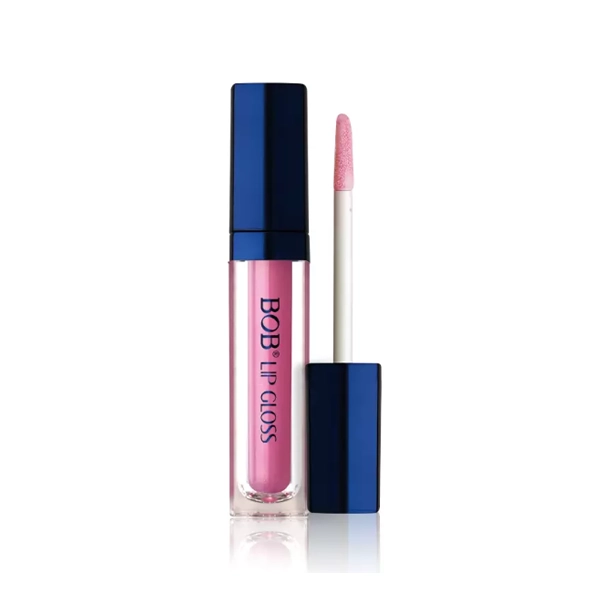
Avoiding common mistakes when starting a lip gloss brand can improve the efficiency and reduce potential risks during the launch process. Many new founders invest in formulas, packaging, or inventory before fully evaluating product performance, packaging compatibility, and market demand, which can increase costs and create unnecessary operational challenges.
This article explores common operational and financial challenges faced by new lip gloss brands, covering areas such as formula stability testing, packaging selection, cost planning, and working with experienced cosmetic manufacturers.
Why Many Lip Gloss Brands Struggle at Launch
Many new lip gloss brands face challenges because they enter a competitive market without clear product positioning or a well-defined target audience. They often misallocate their budget by focusing too much on inventory and not enough on marketing, and launch without building an audience first. Skipping crucial steps like product sampling also leads to quality issues that can damage a brand’s reputation from the start.
Product and Market Misalignment
The lip gloss market is highly competitive, and many new brands find it challenging to establish a clear product position and target audience. Without a clearly defined target customer, products may lack differentiation and have difficulty competing with established brands.
A quality product alone may not be enough to build a strong market position. Brands need to clearly define their product advantages, target customers, and overall brand identity to differentiate themselves in a competitive category.
Rushing to launch without thoroughly sampling the product is another common pitfall. This often results in inconsistent quality, poor texture, or packaging defects that disappoint early customers and harm the brand’s credibility.
Weak Business and Marketing Execution
Founders frequently misjudge their budgets, putting too much capital into product creation while underfunding marketing and customer acquisition. A great product can’t sell itself if no one knows it exists.
Launching without sufficient market research and preparation can make it harder for new brands to understand customer expectations, define their product positioning, and build early market awareness.
First impressions are critical in beauty. Poor branding, illegible labels, or cheap-looking packaging can make a high-quality formula seem less credible and significantly lower its perceived value.
10 Common Mistakes When Starting a Lip Gloss Brand
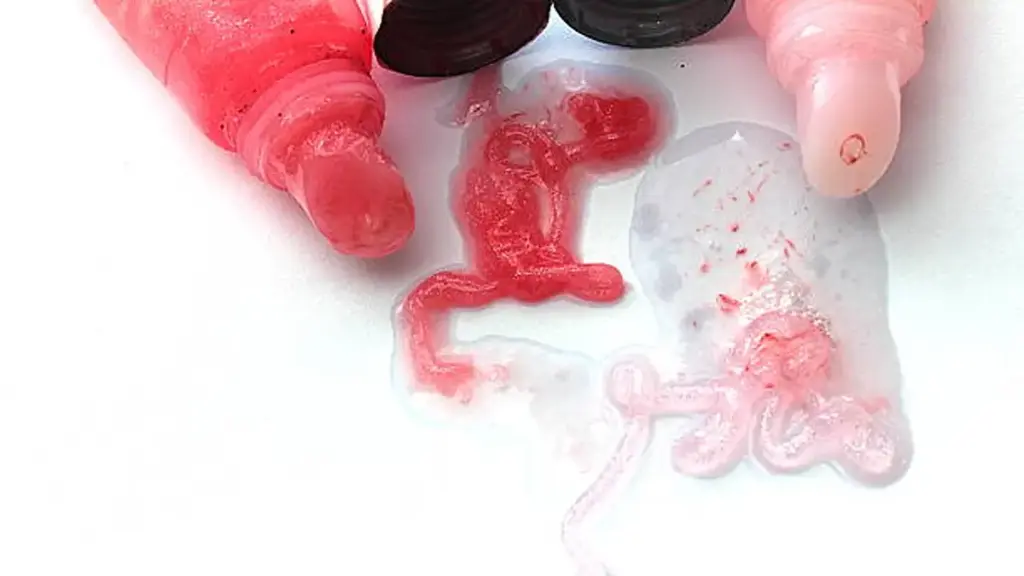
Starting a lip gloss brand often falters when new founders prioritize aesthetics over function, underfund key areas like marketing, and underestimate the complexities of manufacturing, compliance, and cost planning. Successful launches are built on a foundation of rigorous testing, clear brand positioning, and solid supply chain partnerships.
Mistake 1: Choosing a Manufacturer Based Only on Price
Selecting a manufacturer solely on the lowest per-unit price is a significant risk. This approach often leads to compromised formula quality, poor service, and compliance gaps that can damage your brand’s reputation and create safety liabilities. The cheapest option frequently comes with hidden costs from higher defect rates and shipping delays.
A suitable lip gloss manufacturer should have experience with cosmetic formulations and provide proper quality documentation throughout the development process. This may include ingredient information, product testing reports, stability testing results, and batch quality records. Brands should also consider manufacturers with established quality systems, such as GMP-compliant production practices, to support consistent product performance.
Mistake 2: Skipping Formula Stability Testing
Launching a lip gloss without testing its stability is a recipe for customer complaints and returns. An unstable formula can separate, change color, develop an unpleasant smell, or even grow microbes, creating potential safety issues. While a gloss might look perfect right after it’s made, its true performance is only revealed over time and under various conditions.
Proper testing involves checking the formula’s integrity over several months at different temperatures, including elevated heat and freeze-thaw cycles to simulate shipping. This process helps evaluate product stability and support shelf-life determination based on the formula, packaging, testing results, and applicable market requirements. It also ensures the formula is compatible with its packaging, preventing leaks or degradation of the tube.
Mistake 3: Focusing on Packaging Before Product Quality
Many new brands invest heavily in custom tubes and boxes before finalizing the lip gloss formula. This can lead to wasted money and a product that doesn’t live up to its beautiful exterior. Ordering large quantities of packaging too early means you might be stuck with components that are unsuitable for your final formula’s viscosity or that react poorly with the ingredients.
The correct sequence is to develop, refine, and test the formula first. Once you have a stable, high-performing product, you can then select and test packaging that complements it.
Premium packaging can enhance product presentation, but it cannot replace a stable and well-developed formula. Product performance should always be validated before investing heavily in large-scale packaging production.
Mistake 4: Ignoring Regulatory Requirements
Failing to comply with cosmetic regulations can result in your product being considered misbranded or adulterated. This could lead to forced relabeling, product seizures, or legal liability. Key compliance areas include product safety, ingredient labeling, and the use of approved color additives.
For example, in the U.S., color additives used in lip products must comply with FDA requirements for cosmetic use. Brands selling internationally should also review the regulations of each target market.
Labels must list all ingredients in descending order of predominance and include the business name and location. Beyond the product itself, you also need to handle business compliance, such as securing a seller’s permit to collect sales tax and obtaining any required local business licenses.
Mistake 5: Ordering the Wrong MOQ
Minimum Order Quantity (MOQ) is a delicate balance. Ordering an MOQ that is too high can strain your cash flow, tying up funds in inventory that may not sell before its shelf life expires. This is especially risky for a new brand that hasn’t yet validated which shades or finishes will be popular.
An MOQ that is too low can also be a problem. It often results in a much higher cost per unit, which squeezes your profit margins and makes it harder to price competitively.The goal is to select an MOQ that matches your expected sales volume, available budget, and growth plan while maintaining enough flexibility for future product adjustments.
Mistake 6: Underestimating Product Development Time
Rushing the product development process often leads to poor performance and launch delays. Creating a great lip gloss takes time and involves multiple stages, from formula iteration and ingredient sourcing to stability testing and packaging trials. Locking in a launch date before these steps are complete is a common error that disrupts marketing plans and cash flow.
A realistic timeline should include buffers for sourcing delays and multiple rounds of testing. Documenting every formula and process with Standard Operating Procedures (SOPs) is also crucial, as it reduces errors and makes it easier to scale production later. While the formula is being finalized, you can work on parallel tasks like building a social media audience and setting up your website.
Mistake 7: Poor Brand Positioning
In a crowded market, a lip gloss brand with generic claims like “high-quality shine” will struggle to get noticed. Poor positioning makes it difficult to justify your price and build a loyal customer base. Many new brands make the mistake of copying competitors’ pricing without understanding their own costs or defining a unique value proposition.
Strong positioning starts with defining a specific niche. This could be based on ingredients (vegan, clean), a target audience (deeper skin tones, sensitive lips), or a unique aesthetic (Y2K, minimalist). Your product features, price, packaging, and marketing must all align to tell a consistent and compelling story to that specific audience.
Mistake 8: Overcomplicated Product Lines
Launching with too many shades, finishes, or scents at once can be overwhelming for a new business. A large initial SKU count increases costs, complicates inventory management, and dilutes your marketing focus. You risk tying up capital in slow-moving shades while your bestsellers go out of stock.
A practical approach is to begin with a focused collection of core shades that matches your target customers and available resources, then expand based on market feedback.
This lineup should be strategic, perhaps including a universal nude, a trendy color, and a unique signature shade. You can then use sales data and customer feedback to make informed decisions about which new variants to add later.
Mistake 9: Inaccurate Cost Planning
Underestimating the true cost of business leads to underpricing, cash shortages, and an inability to grow. Many founders calculate their Cost of Goods Sold (COGS) based only on ingredients and tubes, forgetting crucial expenses like labels, shipping supplies, payment processing fees, and website subscriptions.
A proper budget should account for all startup costs and include an operating reserve for the first six months. When setting prices, aiming for a gross margin of 70-80% is a common target in cosmetics, which typically requires a 4x to 8x markup on your fully-loaded COGS. This ensures you have enough profit to reinvest in marketing and new inventory.
Mistake 10: Choosing the Wrong Supply Chain Partner
Your business is only as strong as its supply chain. Unreliable suppliers for ingredients, packaging, or fulfillment can disrupt production, cause costly delays, and damage your customers’ experience. An ingredient supplier who changes a formula without notice or a packaging vendor who delivers leaky tubes can bring your operations to a halt.
You should thoroughly vet all partners, testing samples of their products before committing to large orders. It’s also wise to establish backup vendors for critical components like your gloss base or tubes. Clear communication, transparent lead times, and a commitment to quality are just as important as price when selecting your supply chain partners.
Launch Your Next Bestselling Lip Collection
How to Successfully Launch a Lip Gloss Brand
Successfully launching a lip gloss brand depends on a strong foundation. You need a clear brand identity for a specific audience, a quality formula that delivers on its promise, and a solid business plan that covers everything from manufacturing to marketing before you sell a single tube.
Product and Brand Foundation
Your first step is to define your brand. Decide who you are selling to and what makes your gloss different. This could be a unique value like a non-sticky feel, vegan ingredients, or a shade range designed for a specific customer.
Next, research the market to find your opening. Analyze what successful brands are doing and, more importantly, what customers complain about in their reviews. Fixing common problems like leaking tubes or a gritty texture can become your unique selling point.
With a concept in place, you can develop your core formula. You can work with an experienced cosmetic manufacturer for a custom or private-label product. The focus should be on developing a formula, texture, and product positioning that match your brand requirements and target market.
Finally, select packaging that is both functional and on-brand. It’s critical to run compatibility tests with your final formula. This step ensures the tubes don’t leak and the applicator works well with your gloss’s viscosity, preventing customer complaints down the line.
Go-to-Market Strategy and Operations
Before you can sell, you must meet all regulatory requirements for your market. This includes product safety, correct ingredient labeling, and keeping proper documentation. Making unsupported cosmetic or medical claims on product labels or marketing materials may create compliance concerns and affect market approval.
A detailed business plan is essential. You need to map out your startup costs, calculate your cost per unit, and set a price that gives you a healthy profit margin. You also need a budget for marketing to attract your first customers.
Start your marketing long before you launch. Build an email list and create buzz on social media platforms like TikTok and Instagram. Showing behind-the-scenes content or revealing shades can build an audience that is ready to buy on day one.
You also need to decide where you will sell your products. Starting with a direct-to-consumer website is a common strategy. It allows you to control the customer experience, build direct relationships, and keep a larger share of the profit from each sale.
Laatste gedachten
Choosing a manufacturer based on the lowest price is a direct trade-off for higher risk. The critical mistakes in product stability, compliance, and cost planning can permanently damage your brand’s reputation. Working with an experienced cosmetic manufacturer can help brands reduce development risks and maintain consistency across formula, production, and quality management.
Before placing a large production order, brands should evaluate product samples to review formula performance, packaging compatibility, and overall product requirements. Contact our team to discuss your custom private label requirements.
Frequently Asked Questions
What are the common mistakes when launching a lip gloss line?
The most common mistakes are weak product validation, choosing packaging before testing formula compatibility, incomplete compliance documentation, and underestimating total launch costs. A successful brand validates its product with a clear target audience and builds a solid launch plan before ordering large quantities of inventory.
How much money does it cost to start a custom lip gloss brand?
Costs vary widely based on formula customization, packaging quality, and order size. You must create a budget that covers samples, initial inventory, packaging, branding, compliance documentation, and marketing. These expenses occur before you can place a large bulk order with a manufacturer.
Can I buy stock packaging without testing my specific lip gloss liquid first?
It is not a safe practice. Your lip gloss formula must be tested with the actual packaging components to prevent compatibility issues like leaking, separation, or poor application. Always run stability tests with samples before committing to a large packaging order to avoid product failure.
How do I calculate unit margins and retail markups for lip gloss?
Calculate your fully loaded product cost, including formula, packaging, labels, manufacturing, shipping, and other operational expenses. When working with a manufacturer, understanding each production cost component helps brands set realistic pricing and maintain healthy margins.
What cosmetic certifications do I need to sell lip gloss legally?
Requirements depend on the country where you sell. Generally, you need a product safety assessment, a complete Product Information File (PIF), and accurate ingredient labeling that complies with local cosmetic regulations. For example, the UK requires a Cosmetic Product Safety Report.
Why do many custom makeup brands fail within their first year?
Many brands fail because they don’t validate customer demand, buy too much inventory too soon, or skip crucial compatibility testing between their formula and its packaging. Other common reasons are underbudgeting for marketing and compliance and failing to build brand awareness before launch.

 Dutch
Dutch  English
  Arabic
  French
  Portuguese
  Russian
  Spanish