

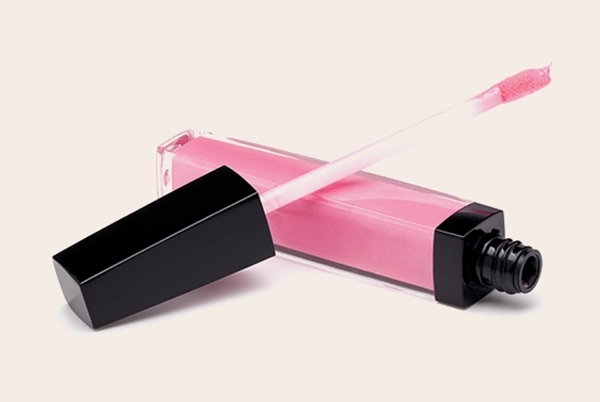
Understanding why lip gloss gets bubbles is the first step in improving product appearance and manufacturing consistency. In clear packaging, visible air pockets can affect the perceived quality of the product and may lead to additional inspection, adjustment, or rework during production.
This article explains the main causes of bubbles in lip gloss manufacturing, including air entrapment during mixing, filling turbulence, and packaging interactions. It also explores practical production controls such as vacuum deaeration, bottom-up filling, and optimized mixing methods to improve filling quality.
What Causes Bubbles in Lip Gloss?
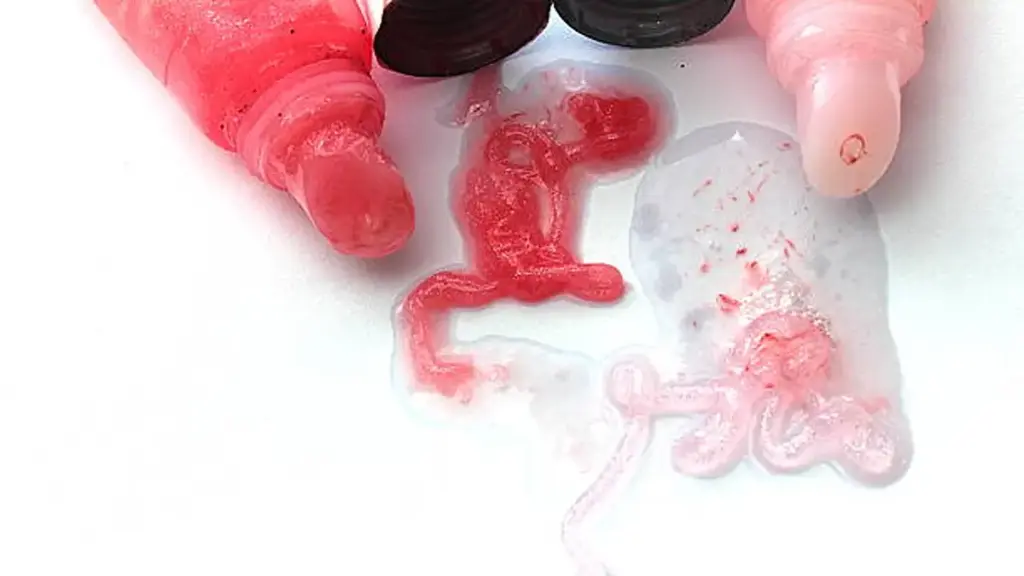
Bubbles in lip gloss come from air trapped by thick formulas during mixing, turbulence from filling equipment, and air pumped in by the applicator wand and stopper.
High-Viscosity Entrainment During Mixing
High-viscosity lip gloss formulas can retain air more easily during mixing. Instead of naturally escaping, the trapped air may remain suspended as visible bubbles. Emollient-rich formulas require careful processing, as ingredients such as shea butter or cocoa butter may also form crystals during improper cooling, creating a texture that can be mistaken for air bubbles.
Piston and Nozzle Geometry Effects
The design of your filling equipment is a major culprit. Narrow flow paths, sharp turns, or tight nozzles create turbulence. This turbulence pulls air directly into the gloss and holds it there. Better equipment with smooth, consistent flow paths and few dead zones is the fix for keeping bubbles out of thick products.
Wand and Stopper Clearance Dynamics
The wand and the stopper in the vial are constantly pumping air into your product. A fit that’s too tight or too loose is a problem. Every time the wand is pulled out and pushed back in, it forces air into the gloss. If the formula is thick, it churns the product at the opening, creating bubbles that never seem to go away.
Manufacturing Controls to Prevent Bubbles
To prevent bubbles in lip gloss, manufacturers use vacuum deaeration to pull air out, bottom-up filling to avoid trapping it, and controlled mixing to stop it from getting in.
| Control Method | Core Principle | Key Parameters |
|---|---|---|
| Vacuum Deaeration Systems | Applies negative pressure to the bulk gloss, forcing dissolved and entrapped air bubbles to expand, rise, and escape the viscous formula. | Vacuum level, temperature (to lower viscosity), and holding time must be balanced to ensure effective air removal before filling. |
| Bottom-Up Filling Architecture | The filling nozzle starts at the container bottom and retracts as the product level rises, smoothly displacing air instead of trapping it. | Requires precise synchronization between the nozzle retraction speed and the product fill rate to keep the nozzle tip just below the surface. |
| High-Shear Mixing Adjustments | Prevents the formation of a surface vortex that sucks air into the batch, which becomes permanently trapped in the thick gloss. | Uses staged shear speeds (low-high-low) and specific mixer configurations (e.g., offset impellers) to minimize air intake. |
Vacuum Deaeration Systems
The most direct way to remove bubbles is with a vacuum deaeration system. This process applies negative pressure to the bulk lip gloss before it ever reaches the filling line. The vacuum causes any trapped or dissolved air bubbles to expand, forcing them to rise through the thick formula and escape.
These systems can be integrated directly into mixing vessels, set up as separate deaeration tanks post-mix, or installed as inline modules for continuous production. Their effectiveness depends on getting the parameters right: the vacuum level, how long the product is held under pressure, and the temperature, which can lower viscosity just enough to help bubbles break free.
Bottom-Up Filling Architecture
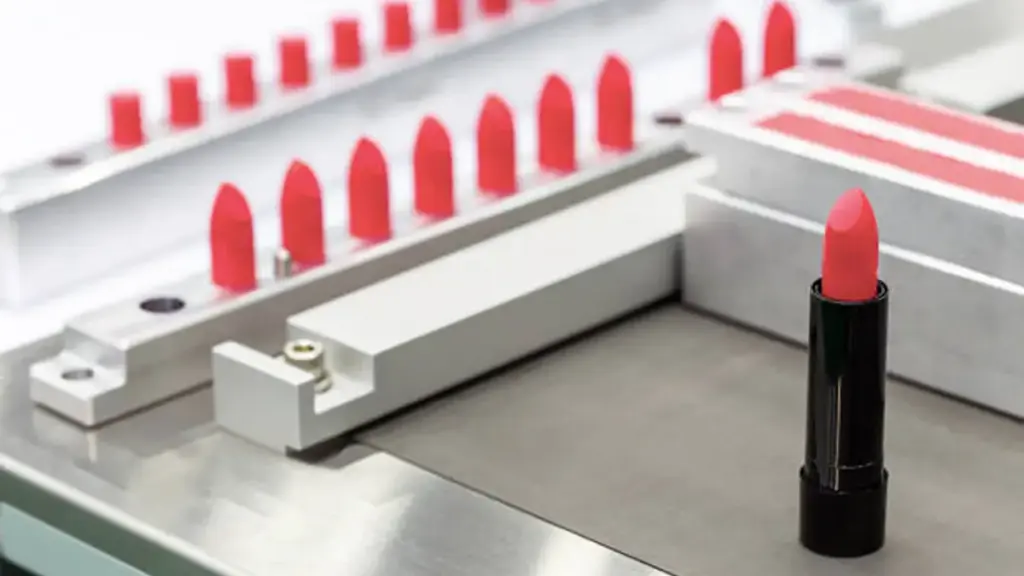
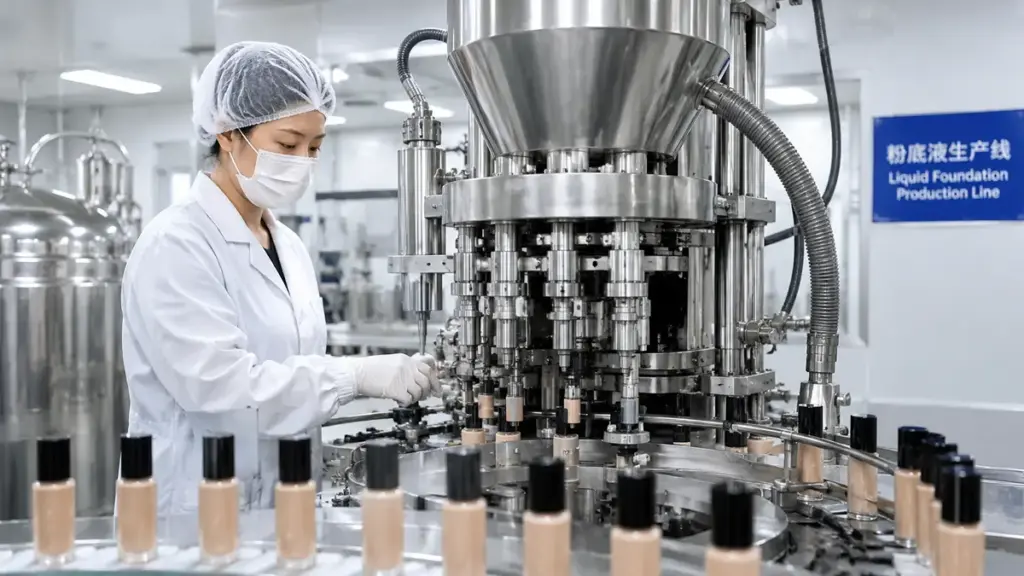
Bottom-up filling is a mechanical strategy to avoid re-introducing air at the last second. Instead of dropping high-viscosity gloss from the top of the container—which may causes splashing and traps air pockets—the filling nozzle starts near the bottom.
As the gloss fills the tube, the nozzle slowly retracts, keeping its tip just below the rising surface. This method smoothly pushes the air up and out of the container. It helps minimize turbulence and product folding that can contribute to trapped air pockets. The process requires precise, synchronized control between the nozzle retraction speed and the product fill rate to work correctly.
High-Shear Mixing Adjustments
Bubbles often get their start during the mixing phase. Uncontrolled high-shear mixing creates a surface vortex, a whirlpool that efficiently pulls air down from the surface and disperses it into the batch. Once those bubbles are in a high-viscosity gloss, they aren’t going anywhere.
The fix is to use a staged approach to shear: low speed for wetting out powders, high speed to get a uniform dispersion, and a reduced speed for finishing the batch. Equipment setup also plays a big role. Using submerged return lines or offsetting the impellers can disrupt vortex formation and minimize the amount of air that gets pulled in from the start.
Launch Your Custom Cosmetics Line, Faster.
Cost and Quality Implications of Bubble Defects
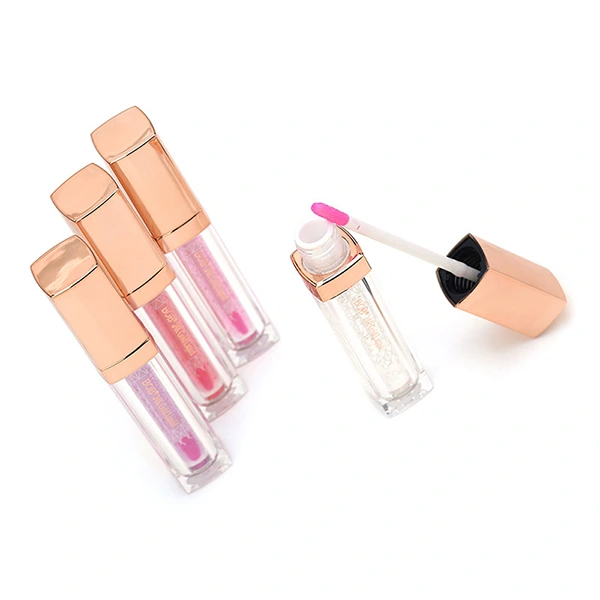
Bubble defects aren’t just cosmetic. They create real costs through scrap and rework while eroding brand trust and perceived value with every visible air pocket.
Direct Financial Costs from Manufacturing Defects
Visible bubbles directly impact your bottom line. They aren’t a minor aesthetic issue; they represent tangible losses in materials, labor, and production capacity. Every unit that fails a visual inspection due to air pockets translates into higher costs and lower margins.
- Rejected batches and discarded filled units mean a direct loss of raw materials and packaging components. You pay for the formula and the tubes, then throw them away.
- Reprocessing the bulk formula or refilling units adds unplanned labor and equipment hours. These are costs that standard production models don’t account for, eating directly into profitability.
- Production lines stop to make adjustments, increasing downtime. Extra quality control checks add to operational overhead without producing more sellable goods.
For emerging brands with limited production budgets, even a small increase in scrap or rework rates can raise the effective cost per unit and affect overall production efficiency.
Brand Damage and Perceived Value Reduction
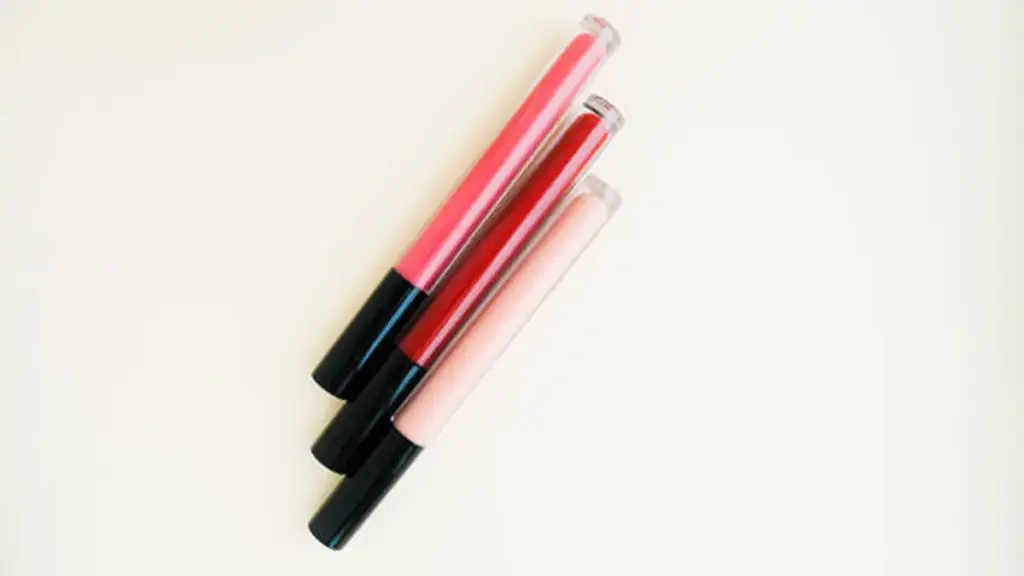
The financial hit from scrap is only part of the problem. The long-term damage happens when a bubbly product actually reaches the customer. In a transparent tube, there is nowhere to hide manufacturing flaws.
- Consumers see bubbles and think poor quality, old stock, or underfilled product. This undermines brand trust from the moment they see it on the shelf.
- Air pockets near the wiper interfere with the applicator, causing inconsistent product pickup. This leads to a poor, streaky application and a frustrating user experience.
Customers may associate visible air pockets with inconsistent product quality or poor manufacturing control, which can influence their overall perception of the brand.
- For premium-priced products, a flawless appearance is non-negotiable. Visual defects like bubbles directly contradict the value proposition and make a high price point impossible to justify.
How Brands Can Ensure Bubble-Free Lip Gloss
Achieving bubble-free lip gloss requires a dual focus: optimizing the formula to release air and tightly controlling manufacturing to prevent trapping it in the first place.
Visible bubbles are a common appearance issue in lip gloss manufacturing, often caused by air retention during mixing and filling. For brands that use transparent packaging, maintaining a clean visual appearance requires coordination between formulation design, processing conditions, and filling control.
Formulation and Ingredient Strategies
The first line of defense is the formula itself. How the ingredients are chosen and balanced dictates how easily the gloss will trap or release air bubbles. Smart formulation makes the entire manufacturing process much more forgiving.
- Balance base viscosity. An overly thick base holds onto bubbles tenaciously. Blend different molecular-weight polybutenes with lighter emollients to achieve the desired shine and cushion without creating a formula that’s too stiff to release air.
- Select smart rheology modifiers. Use shear-thinning agents. These create a gloss that appears thick in the tube but thins out under movement, allowing trapped air to rise and escape during holding periods before filling.
- Incorporate deaerating additives. At very low levels, lip-safe defoamers can be added to the oil phase. You must screen these additives carefully to ensure they don’t impact the final product’s clarity, taste, or odor.
- Control batch temperature. Moderate heat can reduce the coating’s viscosity, allowing entrained air bubbles to rise and escape more easily during a controlled mixing and holding process before filling.
Process and Filling Controls
A well-designed formula can still develop bubbles if the lip gloss filling process is not properly controlled. The goal is to minimize air entrainment during mixing and remove trapped bubbles before final packaging.
- Use low-air mixing equipment. The goal is to blend, not whip. Use equipment like anchor or helical impellers that move the material without creating a deep surface vortex, which is a primary way air gets sucked into the batch.
- Implement vacuum deaeration. This is the most direct way to remove trapped air. Processing the bulk gloss in a vacuum-rated vessel pulls dissolved air out of the solution and forces existing bubbles to expand, rise, and break.
- Optimize filling parameters. How the gloss enters the tube is critical. Use slower filling speeds, bottom-up nozzle insertion (where the nozzle starts low and rises with the product), and well-designed wipers to prevent air from getting trapped during the fill.
- Establish clear quality standards. Define what’s acceptable. Create visual inspection standards for bubble size and count. Also run transport simulations to confirm that shipping and handling won’t create new bubbles in the finished product.
Frequently Asked Questions
Why are there tiny air bubbles in my clear lip gloss tubes?
Tiny air bubbles are very common in thick, clear lip gloss. They get trapped during the manufacturing process when the viscous formula is mixed and then quickly filled into tubes. Because the gloss is transparent, these small bubbles are much more visible. The design of the tube’s wiper can also push small amounts of air into the product during use.
Are tiny bubbles in lip gloss a sign of a bad or expired product?
Not usually. Small bubbles are almost always a cosmetic issue from the manufacturing process, not a sign that the product is bad or expired. They don’t mean the gloss is unsafe. You should only be concerned if the bubbles appear alongside other changes, like a strange smell, separated oils, or a change in color.
How do factories prevent bubbles in lip gloss?
Factories use several techniques to minimize bubbles. A key method is vacuum deaeration, where the bulk lip gloss is placed under a vacuum to pull out trapped air. They also use controlled, low-speed mixing to prevent air from getting whipped in and optimize the filling process to be as smooth as possible.
Can the lip gloss tube design itself create more bubbles over time?
Yes, the packaging can contribute to bubbles. The plastic stopper, or wiper, in the neck of the tube plays a big role. If it’s not designed well for the specific formula and applicator, it can push air into the gloss each time you pull the wand out and push it back in. This can cause more bubbles to appear over time with repeated use.
What kind of filling machine is best for preventing air pockets in lip gloss?
To prevent air pockets, manufacturers use specialized filling machines that feature a ‘bottom-up’ filling technique. The machine’s nozzle goes all the way to the bottom of the tube and fills it as it slowly retracts. This method avoids splashing and folding the product over on itself, which are major causes of trapped air. Piston-style fillers are often preferred because they handle thick, viscous formulas very well.
Laatste gedachten
Bubbles in lip gloss are a common manufacturing challenge that can influence product appearance, filling consistency, and overall quality perception. For cosmetic brands and product developers, controlling air entrapment during formulation, mixing, and filling is an important part of achieving stable and consistent production results.
A reliable lip gloss manufacturing process requires close coordination between formula development, filling technology, and packaging compatibility. As an experienced cosmetic OEM/ODM manufacturer, we help brands evaluate packaging components, optimize production processes, and develop customized lip products that meet their quality requirements. Contact our team to discuss your lip gloss project, from sample testing to large-scale production.

 Dutch
Dutch  English
  Arabic
  French
  Portuguese
  Russian
  Spanish