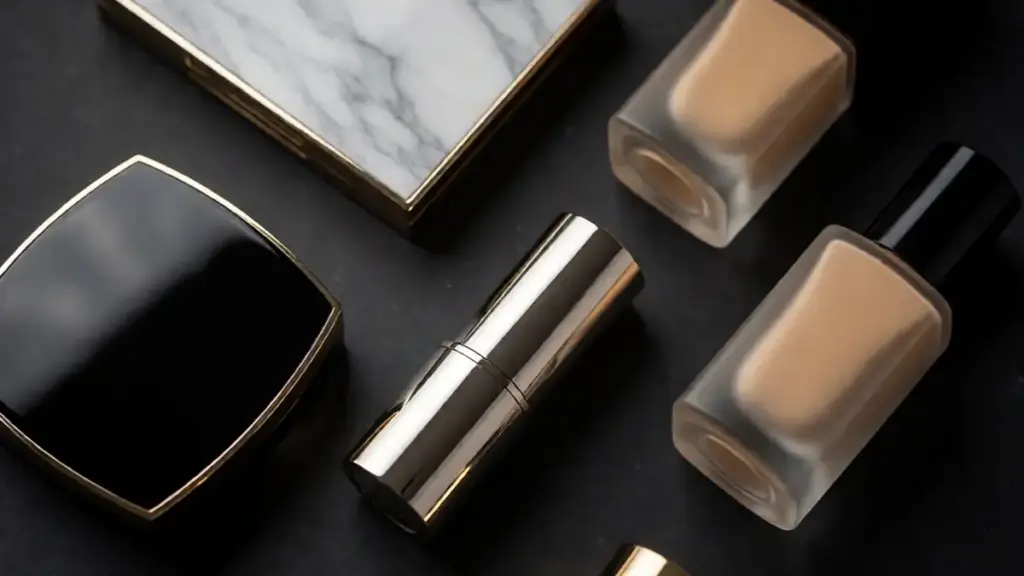

Eye makeup changes how your eyes read — wider, sharper, softer — without touching the rest of your face. Whether you want a quiet everyday look or something bolder for an evening out, the same fundamentals carry both.
If you are new to it, or your results keep smudging by lunchtime, this 101 guide walks through how to do eye makeup in the order most makeup artists actually use: prep, brows, shadow, liner, mascara. We also cover eye-shape adjustments, the mistakes behind most disappointing results, and what to look for if you are building your own eye makeup line.
Prep Your Kit and Your Eyelids
You do not need a full professional case to learn how to do eye makeup well. Six items cover every look in this guide.
- Eye primer — the item most beginners skip, and the main reason shadow creases within hours on oily lids.
- Three eyeshadow shades — one transition shade slightly deeper than your skin tone, one lid colour, one deep shade for the outer corner.
- A flat shader brush and a fluffy blending brush — pat colour on with the flat brush, soften edges with the fluffy one.
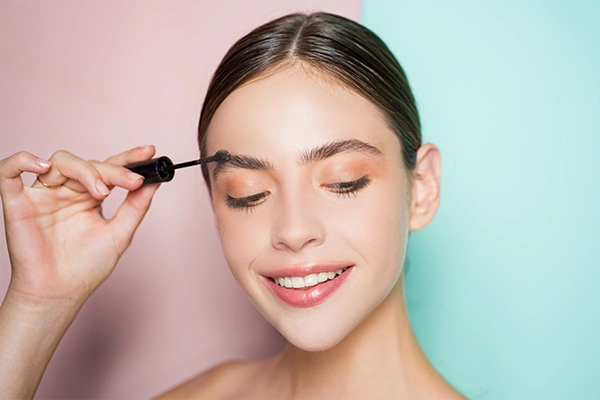
- Brow pencil, spoolie, and an angled brush — for grooming hairs and breaking up harsh lines.
- Eyeliner in one format — pencil for a soft line, liquid for a crisp one, gel for both.
- Mascara and an eyelash curler — pick the mascara by the effect you want; lengthening and volumising formulas behave differently.
Sourcing for a brand rather than a personal kit? Shade range and finish are where first palettes succeed or fail — see pressed and cream eyeshadow production.
Prepare the Lid Before Any Colour
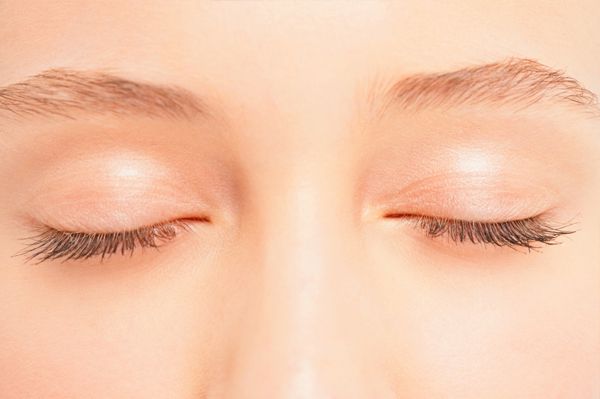
A prepped lid holds pigment longer and blends more evenly. Three steps matter most:
- Limpar: Remova qualquer sujeira ou resíduo de maquiagem anterior das pálpebras usando um removedor de maquiagem suave ou um limpador suave.
- Hidratar: Hidrate a pele delicada das pálpebras com um creme leve para os olhos ou um hidratante adequado ao seu tipo de pele.
- Primer: Apply an eye primer to create a smooth base, even out skin tone, and support the vibrancy and longevity of your eyeshadow.
Give the primer about thirty seconds to set before colour goes on — a still-tacky base grabs powder unevenly and turns a blend patchy.
How to Do Eye Makeup: Five Core Steps
Run the same sequence every time — brows, then eyeshadow, then eyeliner, then mascara. Keeping the order consistent is what makes how to do eye makeup quicker with each pass: loose shadow falls onto a finished liner line and smudges it.
How to Draw Eyebrows?
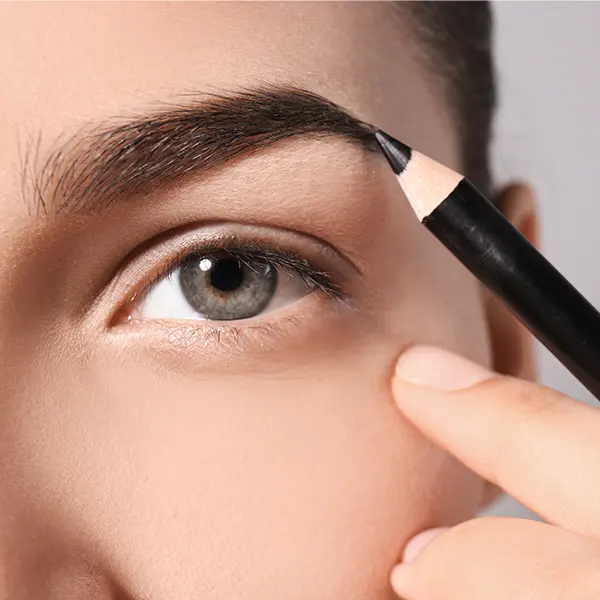
Eyebrows frame and define the eyes, and they set the proportions everything else sits inside. Here’s how to draw eyebrows:
- Determinar a formaComece avaliando o formato natural da sua sobrancelha e decida qual formato de sobrancelha você deseja que complemente seu rosto. Use uma escova spoolie ou um pente para pentear os pelos da sobrancelha para cima.
- Contorne a forma: Usando um lápis de sobrancelha Com uma caneta de ponta fina ou um lápis para sobrancelhas, contorne a borda inferior da sobrancelha. Comece pelo canto interno, seguindo o formato natural, e defina o arco e a cauda. Preencha as áreas esparsas com traços leves e delicados, imitando a aparência dos pelos.
- Preencha as sobrancelhas: Usando o mesmo lápis ou caneta para sobrancelhas, preencha as sobrancelhas com pequenos traços ascendentes. Comece pelo canto interno e trabalhe gradualmente em direção à ponta. Ajuste a pressão no lápis ou caneta para um efeito degradê natural, com um início mais suave e arco e ponta mais definidos.
- Misture e definaPara criar um visual mais natural, use um pincel spoolie para esfumar a cor e modelar as sobrancelhas. Se necessário, use um gel de sobrancelhas transparente ou com cor para fixar os pelos e adicionar textura.
- Ajustando para diferentes formatos de rosto: Lembre-se de que diferentes formatos de rosto podem exigir pequenos ajustes no formato das sobrancelhas. Por exemplo, pessoas com rosto redondo podem se beneficiar de sobrancelhas ligeiramente alongadas, enquanto aquelas com rosto angular podem optar por sobrancelhas mais suaves e curvas.
Well-defined brows support the rest of the look. If your strokes come out hard rather than hair-like, how to apply eyebrow pencil for beginners covers the angle and pressure in detail.
Como aplicar sombra?
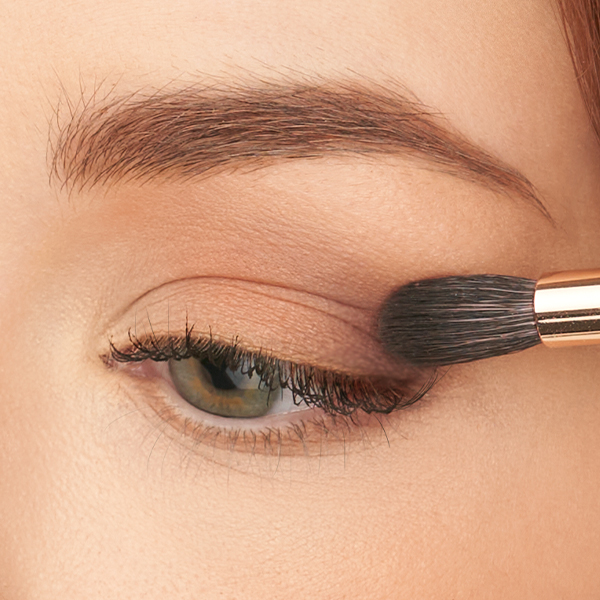
Aplicando sombra para os olhos is where a look earns its depth. Follow these steps for a defined eye:
Selecionando Tons
- Comece com um tom de transição, uma cor um pouco mais escura que seu tom de pele, para combinar com outros tons.
- Escolha uma cor para a pálpebra, que pode ser um tom fosco ou brilhante que complemente a cor dos seus olhos.
- Para adicionar dimensão, selecione um tom mais escuro para o vinco para criar profundidade e definição.
Mistura e Camadas
- Usando um pincel macio para esfumar, aplique a sombra de transição no côncavo e esfume para cima.
- Em seguida, aplique a cor da pálpebra dando leves batidinhas em toda a pálpebra, concentrando-se na parte móvel.
- Use um pincel menor para aplicar a sombra mais escura no canto externo do olho e esfumar no côncavo.
- Blend the edges of the shades together so no single line sits visibly on its own.
Como aplicar delineador?
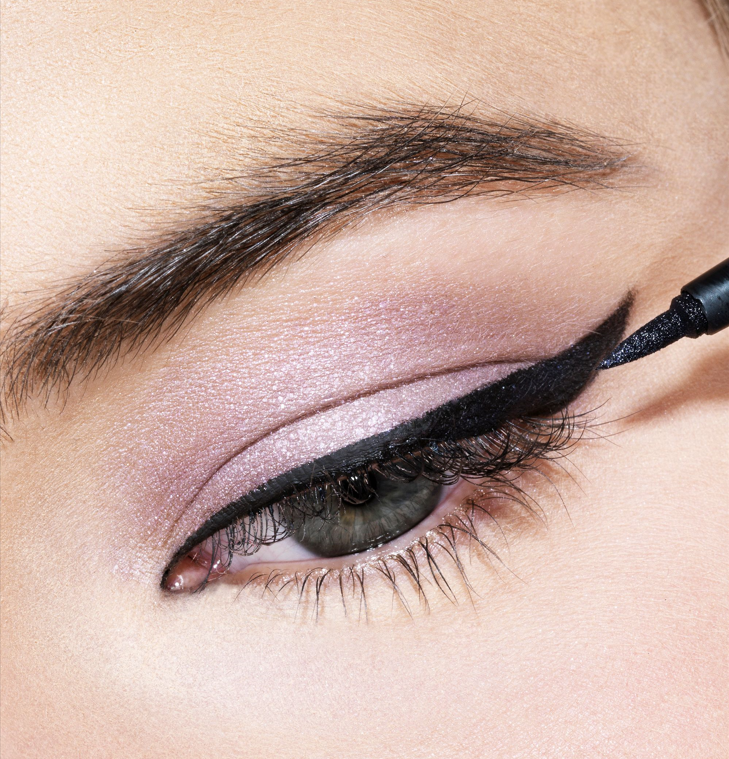
O delineador adiciona definição e drama aos seus olhos. Veja como aplicá-lo delineador efetivamente:
Técnicas de Delineador
Existem diferentes tipos de delineador para escolher, como lápis, líquido e em gel. Delineadores de lápis são ótimos para um visual suave e esfumado. Delineadores líquidos proporcionam linhas precisas e definidas. Delineadores em gel oferecem versatilidade e podem criar linhas suaves e ousadas. Escolhendo o delineador certo o formato dos seus olhos é fundamental para conseguir um visual atraente.
Aplicação nas linhas dos cílios superiores e inferiores
Para a linha dos cílios superioresComece no canto interno e vá para fora, mantendo-se o mais próximo possível da linha dos cílios. Use traços curtos e curtos para um traço suave. Estenda o traço um pouco além do canto externo para criar um delineado gatinho ou um olho de gato, se desejar. Para a linha dos cílios inferiores, apply the eyeliner sparingly to the outer two-thirds of the lash line for a more balanced look. Give liquid liner twenty or thirty seconds to set before the eye fully opens — a still-wet line transfers to the upper lid.
Como aplicar rímel?
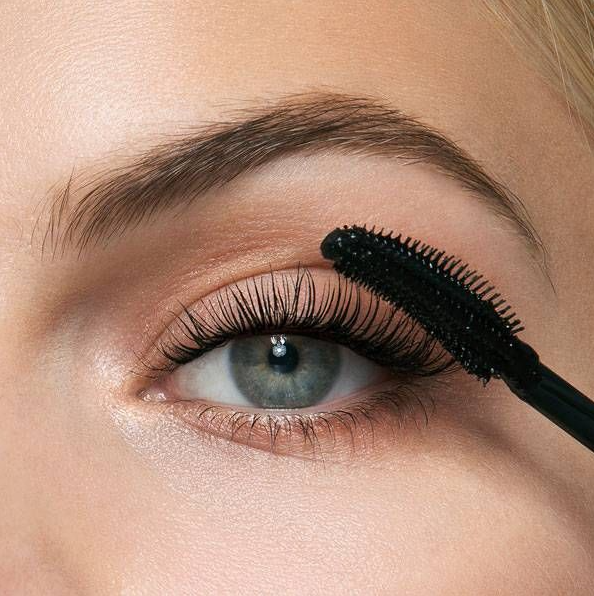
Rímel enhances lashes and opens up the eyes. Follow these steps for clean mascara application:
- Comece curvando seus cílios com um curvex.
- Então, para o superior Para aplicar nos cílios, mova o aplicador de rímel na base dos cílios e penteie-o até as pontas com um leve movimento em zigue-zague. Aplique camadas adicionais conforme desejado, deixando cada camada secar antes de aplicar mais.
- Para o mais baixo cílios, segure o aplicador verticalmente e aplique o rímel delicadamente com movimentos curtos para evitar grumos e manchas.
Escolhendo o rímel certo
Select a mascara formula that matches your desired effects.
- Alongamento As máscaras de cílios geralmente têm pontas afiladas e alongam os cílios.
- Volumização As máscaras para cílios têm aplicadores mais grossos e acrescentam volume.
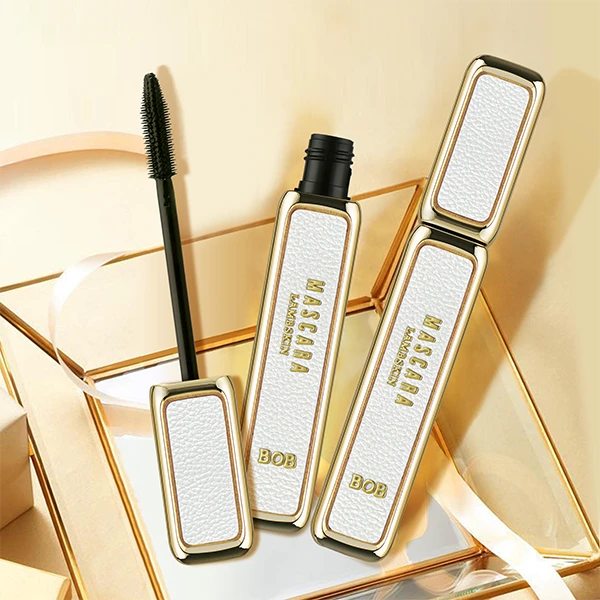
- Ondulação mascaras often have curved wands that lift and curl the lashes. The mascara types guide breaks down each formula and wand in detail.
How to Do Eye Makeup for Different Eye Shapes
The steps above assume an almond eye with visible lid space — the shape most tutorials default to. Hooded, monolid, and deep-set eyes need small placement adjustments, which is why the same tutorial can look sharp on one person and muddy on another. How to do eye makeup for your own shape comes down to where the colour sits, not how much of it you use.
- Hooded lids: Keep the crease shade slightly above your natural crease so it stays visible when the eye is open. Draw liner thin and build it upward rather than outward, and go easy on the lower lash line — a heavy line there closes the eye further.
- Monolid eyes: Matte shading along the upper edge adds depth that shimmer tends to flatten. A wing drawn with the eye open, or a smoked outer corner, usually reads cleaner than a thin sharp line.
- Deep-set eyes: A lighter transition shade keeps the colour visible instead of swallowing it. Stay close to the lash line rather than tightlining heavily, which can make the eye look smaller.
For liner styles matched to each shape, see which eyeliner suits which eye shape.
Two Looks Worth Practising: Smokey Eye and Cat Eye
Como conseguir um look de maquiagem esfumada?
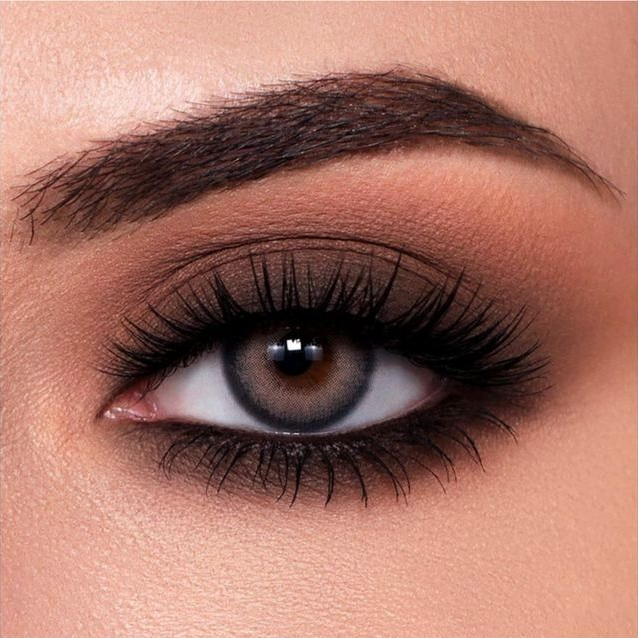
The smokey eye is a flexible technique for a softer, more dramatic effect. Here’s how to achieve a smokey eye:
Instruções passo a passo
- Comece aplicando um tom de transição neutro no côncavo para dar profundidade.
- Em seguida, aplique uma sombra mais escura no canto externo e esfume no côncavo.
- Use um tom preto ou cinza escuro no canto externo e esfume em direção ao centro da pálpebra.
- Intensifique a área externa do V com um tom mais escuro para dar dimensão.
- Blend and diffuse any harsh lines so the gradient reads continuous.
Seleção de cores e intensidade
Escolha cores que realcem a cor dos seus olhos e combinem com o seu tom de pele. Para um olho esfumado clássico, opte por tons como preto, cinza ou marrom escuroAjuste a intensidade aplicando camadas e misturando os tons. Comece com uma cor mais clara e aumente a intensidade gradualmente para não sobrecarregar o visual.
Como conseguir um look de maquiagem olho de gato?
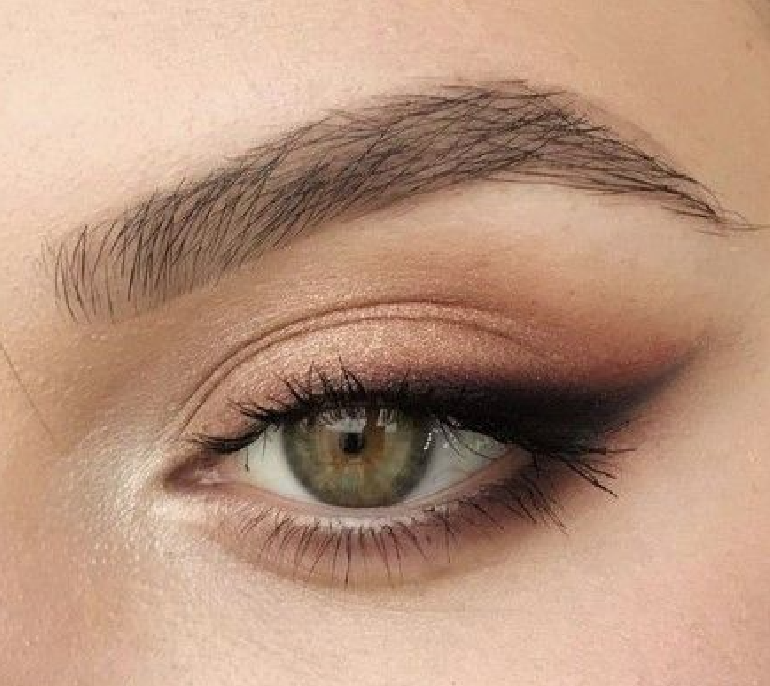
The cat eye or winged liner elongates the eyes. Here’s how to achieve a classic cat eye:
Instruções passo a passo
- Comece criando uma linha fina no canto interno da linha dos cílios superiores, engrossando gradualmente a linha conforme você se move em direção ao canto externo.
- Em seguida, a partir do canto externo, desenhe uma linha diagonal para cima e para fora, estendendo-a um pouco além do canto externo para formar a asa.
- Conecte a asa ao resto da linha desenhando uma linha fina ao longo da linha dos cílios superiores.
- Fill in any gaps and even out the line.
Dicas para iniciantes
If you’re new to the wing, tape or a business card angled along the wing line works as a stencil: apply the liner against it, then peel it away for a sharp edge.
Common Eye Makeup Mistakes and Easy Fixes
Most disappointing results come from the same handful of habits. Nearly all of them are fixed by how to do eye makeup in layers instead of in one pass.
- Dragging shadow across the lid with a dry brush. Powder pigment goes on by patting, then blending only the edges. Dragging from the start deposits colour unevenly and sends fallout under the eye.
- Reaching for the darkest shade first. A single deep colour has nowhere to gradient into. Build from the transition shade and reserve the darkest tone for the outer corner.
- Skipping primer on oily lids. Natural oil on the lid breaks the pigment’s grip, so shadow folds into the crease line within hours. This is the fix most people are actually looking for.
- Pumping the mascara wand in the tube. That pushes air into the formula and dries it out — which is why the mascara goes clumpy by week six. Twist it gently against the opening instead.
- Drawing a wing with the eye closed. The wing flattens once the lid lifts. Draw it looking straight ahead with the eye open, then check the angle in a relaxed gaze.
Eye Makeup Trends for 2026–2027
Eye looks are swinging back from quiet minimalism toward expressive colour. Judging by recent runways and this season’s beauty-editor coverage, these are the directions worth practising:
- Expressive colour is back. Blue eyeshadow and soft pastel lids have returned to editorial spreads — a clear signal that maximalist eye makeup is replacing the all-neutral “clean girl” lid of the early 2020s.
- Brown is the new black. Brown mascara and brown liquid liner are the low-commitment way into the trend: they soften most eye shapes and read more natural than pure black on fair and medium skin tones.
- The ’90s smoky eye, softened. Blurred, low-contrast smoky looks are replacing harshly cut creases. Blend with a fluffy brush and keep the darkest tone in the outer third.
- Creative liner shapes. Double wings, floating crease liner and unexpected colour liner all appeared on recent runways — the classic cat eye is now one option rather than the default.
- Deliberately undone texture. Clumpy mascara and smudged liner showed up across fall and winter shows. The lesson for application: stop over-correcting, and let a little mess live.
- Brows stay brushed-up and soft. Feathered, laminated-style brows continue to dominate, which keeps brow gels and flexible-hold pencils in every routine.
If you are building an eye line around these shifts, they translate directly into SKU decisions: coloured and brown liner ranges, tubing mascara formulas for the smudge-friendly “undone” look, and mascara wand types engineered for clump-free volume versus deliberate texture. Our formula development team can benchmark trending references against manufacturable specs.
Choosing the Right Eye Makeup Formula
A formula’s specs decide both how it wears and how it sells. The parameters that matter most:
- Pigment Loading: Professional eyeshadow formulas typically sit in the 15% to 20% pigment range. Higher loading supports intense colour payoff and reduces the number of passes needed on the lid.
- Oil-to-Powder Ratio: This balance determines texture and longevity. A precise ratio limits product fallout during application and reduces creasing across the day.
- Micronization Technology: Ultra-fine particle milling creates a silk-like texture. The process improves blendability and helps the shadow adhere evenly to the lid.
- Safety Standards: Compliance with Paraben-free and cruelty-free claims is required for most global markets, alongside the regulations of the destination country. We control this through documented raw-material sourcing, clean-room production, and batch testing.
| Product Category | Effect & Finish | Formulation Key | Manufacturing Focus |
|---|---|---|---|
| Pressed Eyeshadow | High-pigment matte or shimmer | Mica & Binder ratio | Micronization & pressing uniformity |
| Cream Eyeshadow | Metallic, dewy, or satin | Emollient-based stability | Oil-phase control & airtight filling |
| Delineador líquido | Precision sharp lines | Film-forming polymers | Viscosity testing & quick-dry balance |
| Volume Mascara | Thickness & lengthening | Wax & Fiber blend | Wiper compatibility & bulk synergy |
| Delineador em gel | Smudgeable yet water-resistant | Silicone-resin matrix | Volatile solvent sealing & texture |
Conclusão
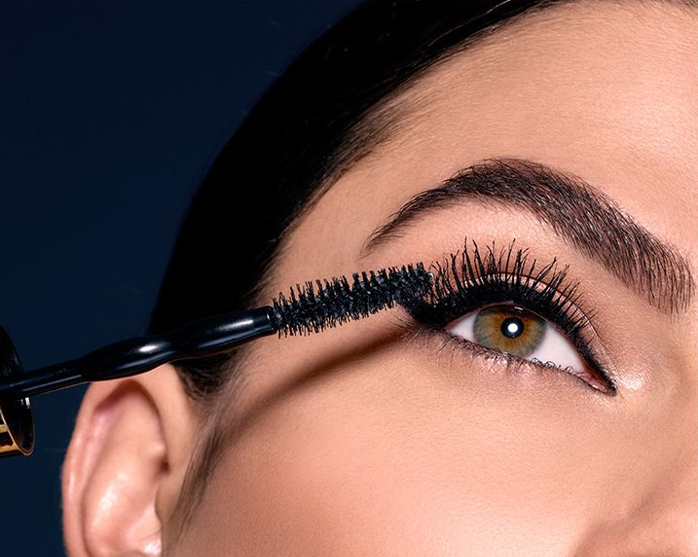
Getting good at eye makeup is mostly repetition in the right order: prep the lid, set the brows, build shadow in layers, place the line close to the lashes, and finish with two thin coats of mascara. Practise how to do eye makeup on these five steps and the muscle memory carries into every look beyond them.
If you are reading this as a brand owner, the same fundamentals shape your product brief: which finishes your market actually wears, which formats your price point supports, and which claims your dossier can defend in the country you ship to.
Perguntas frequentes
How long should eye makeup take for a beginner?
Fifteen to twenty minutes is normal while you are learning, and most of that goes on blending. Once the order is familiar — brows, shadow, liner, mascara — a everyday look typically lands around five to eight minutes.
Why does my eyeshadow crease a few hours after applying it?
Natural oil on the eyelid breaks the pigment’s grip, and the shadow folds into the crease line. An eye primer sets a barrier between the oil and the pigment; a thin layer of translucent powder over it helps on very oily lids.
What is the standard pigment concentration for professional eyeshadows?
Professional-grade eyeshadows typically contain a pigment load of 15% to 20%. That range supports stronger colour payoff and better blendability than most standard retail formulas, while keeping the powder workable on the lid.
How do you keep eye makeup products from smudging?
Smudge resistance comes from film-forming polymers balanced against the volatile solvent content. Together they set a flexible, water-resistant layer that limits pigment migration across the day — which is why a liner needs a few seconds to set before the eye is fully opened.
Are your eye makeup formulations paraben-free and cruelty-free?
Our standard eye makeup base formulas are developed without parabens, and we source raw materials that comply with the regulations of the destination market. Final claims depend on the dossier for your specific formula and country, so we confirm them with you before the stability pass.