

Sourcing reliable tubing technology dictates whether a mascara line achieves true 24-hour smudge resistance or fails under environmental stress. Formulating with outdated oil-based pigments instead of precise copolymer encapsulation exposes your brand to high flake rates and rapid consumer churn.
This analysis benchmarks water-based polymer systems against traditional wax emulsion standards. We evaluate specific film-forming polymers and extrusion cooling rates to help you secure a scalable formulation that passes strict 14-hour wear tests.
What Is Tubing Mascara and How Does It Work?
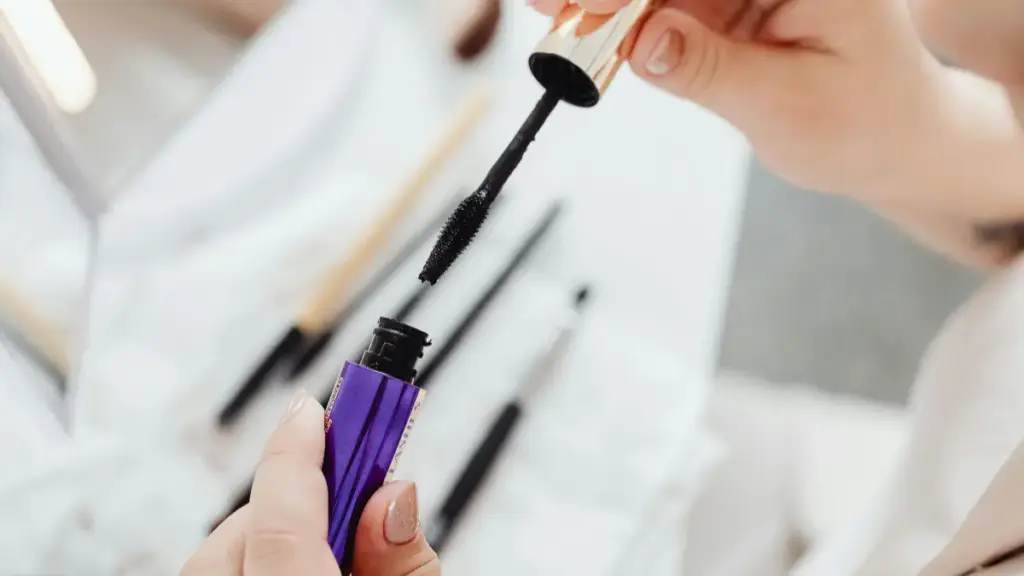
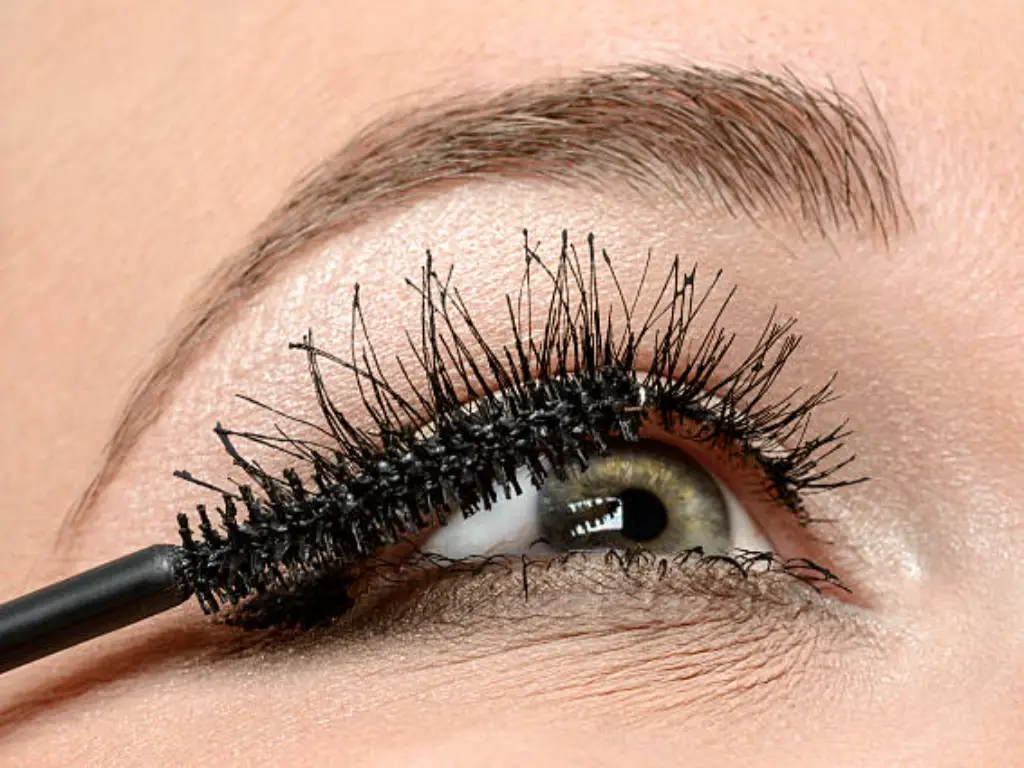
Tubing mascara is a high-performance lash coating that uses flexible, film-forming polymers to encapsulate each individual eyelash in a 360-degree, water-resistant “tube.” Since mascara was first invented, formulations relied primarily on heavy waxes to paint the hair surface. In contrast, tubing technology provides a superior eye makeup experience by shifting from simple pigment adhesion to complete mechanical encapsulation.
The primary distinction between tubing mascara and waterproof mascara lies in daily performance; while waterproof versions require harsh solvents, tubing formulas set instantly into water-resistant shields that slide off as visible “tubes” with only warm water. This ensures a smudge-proof, 24-hour wear cycle that resists oils and humidity without the irritation of traditional removal methods.
To better understand how this technology disrupts industry standards, here is a technical comparison:
| Performance Feature | Traditional Waterproof | Fiber Lash Mascara | Tubing Technology |
|---|---|---|---|
| Core Mechanism | Wax/Oil-based pigments | Adhesive glue + loose fibers | Polymer Encapsulation |
| Smudge Resistance | Prone to melting from skin oils | High risk of “flaking” debris | 100% Oil & Sweat Resistant |
| Removal Process | Solvent-based makeup remover | Standard cleansers & rubbing | Warm Water (38°C+) only |
| Lash Integrity | Frequent rubbing can pull lashes | Fibers can cause eye irritation | Zero-friction removal |
| Ideal Consumer | Active sports/swimming | Extreme length seekers | Oily eyelids & sensitive eyes |
Polymer Film Technology: How the “Tube” Effect Is Formed
The “tube” effect is a result of advanced polymer coalescence rather than simple pigment adhesion. When the water-based emulsion is applied, the evaporation of the solvent triggers a transition where discrete polymer spheres deform and fuse. This process creates a continuous, high-tensile matrix that structurally locks around the lash.
The Encapsulation vs. Adhesion Distinction
Unlike traditional mascaras that rely on surface-level adhesion (painting the lash with oils and waxes), tubing technology utilizes encapsulation.
- Molecular Entanglement: As the formula sets, long-chain polymers (like Acrylates Copolymers) intertwine to form a flexible, “memory-retention” sleeve.
- Structural Integrity: This sleeve acts as a mechanical shroud, providing 360-degree coverage. Because the film’s internal cohesive strength is higher than its bond to the lash cuticle, it resists oil-induced smearing while remaining easy to slide off intact when hydrated with warm water.
Rheology and Film Elasticity
The efficacy of the tube depends on the Glass Transition Temperature of the polymer blend. We engineer the formula to remain flexible at physiological temperatures (37°C), preventing the micro-cracking and brittleness that lead to flaking. This ensures the “tubes” maintain their shape and lift without losing structural elasticity throughout the wear cycle.
Launch Your Custom Mascara Line Fast
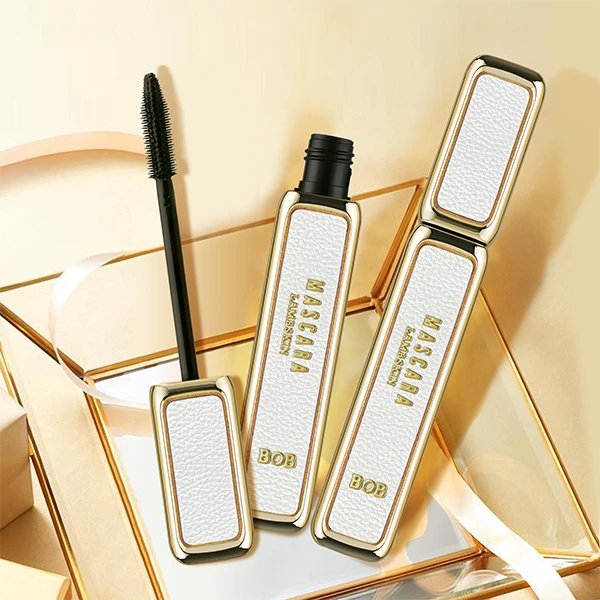
Key Ingredients in Tubing Mascara Formulations
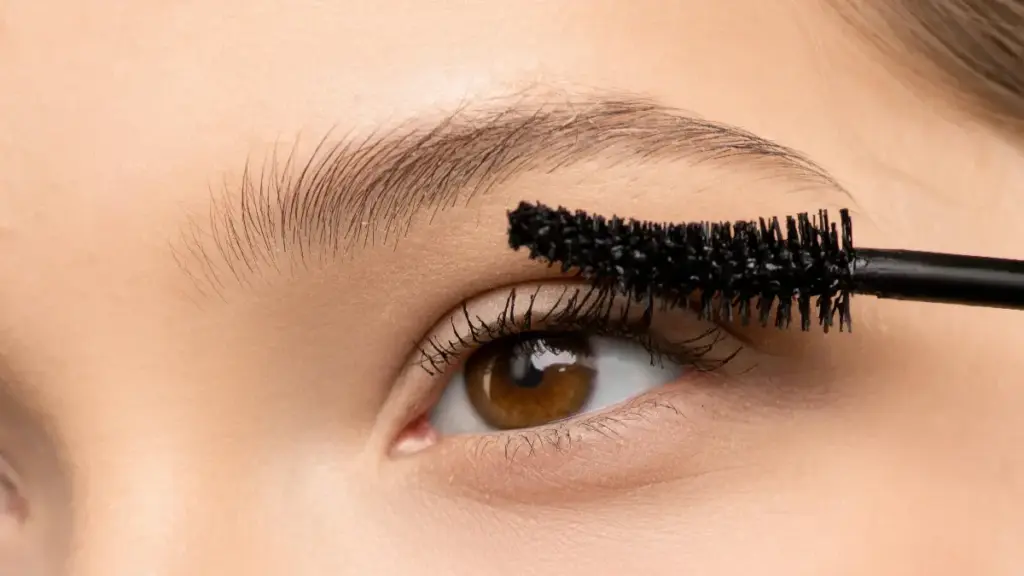
The core of tubing mascara relies on film-forming polymers, plasticizers, and water-based systems. These components work together to encapsulate lashes, ensuring long wear and easy removal.
Film-Forming Polymers and Elasticity Agents
The signature tube effect requires precise polymer engineering. Chemists rely on specific film-formers to encase each lash in a flexible, water-resistant shield.
- Acrylates copolymer and PVP: Create the primary tube structure. Chemists add these polymers at 45°C during the cooling phase to maintain formula integrity.
- Carnauba wax: Acts as a natural elasticity agent to boost stretchability and lash volume.
- VP/eicosene copolymer: Improves film adhesion to ensure long wear and resist smudges from humidity or skin oils.
Pigments, Stabilizers, and Performance Additives
A successful tubing mascara requires strict emulsion control and performance additives to maintain visual impact and shelf life.
- Iron oxides (CI 77499): Supply deep color intensity and require uniform dispersion for an even application.
- Stabilizers: Xanthan gum, trisodium EDTA, and potassium sorbate prevent phase separation and keep water-based emulsions intact.
- Performance additives: Silica and polymethylsilsesquioxane add texture, while targeted gelling agents ensure a smooth glide across the lashes.
- Preservatives: Phenoxyethanol and sodium dehydroacetate maintain microbial stability throughout the product lifespan.
Plasticizers and Flexibility Modifiers
Manufacturing processes heat these specific components to 85-90°C in the oil phase to guarantee pliable tubes that amplify length without flaking.
- Plasticizers: Glycerin, butylene glycol, and propanediol soften polymer films and prevent lash brittleness.
- Modifiers: Denatured alcohol and dimethicone enhance spreadability, reduce tackiness, and boost overall film elasticity.
- Emollients: Jojoba esters and glyceryl stearate condition lashes while keeping the tubes smooth.
Water-Based Systems vs. Solvent Systems
Formulators prefer water-based technology because it builds strong polymer films without causing irritation. This approach aligns with modern vegan lash care trends.
- Water-based systems: These formulas dominate the market. They use water as the primary solvent alongside emulsified waxes and acrylates copolymer. Humectants and thickeners create a gel-like consistency that sets easily and allows warm-water removal.
- Solvent systems: These systems occasionally incorporate denatured alcohol for faster drying and superior smudge-proofing. They offer lower emollience compared to water-based alternatives.
Manufacturing Considerations: Achieving Elasticity and Film Strength
Scaling a high-performance tubing formula requires a rigorous mascara manufacturing process within a GMPC-certified facility to ensure batch-to-batch consistency and microbial safety.
Phase 1: Emulsification and High-Shear Mixing
The process begins by heating the oil and water phases separately to 85–90°C. The critical “tube” polymers are introduced under precise high-shear mixing. This ensures that the film-forming agents are perfectly homogenized within the emulsion, preventing future clumping or phase separation.
Phase 2: Controlled Cooling and Polymer Stabilization
Unlike standard formulas, tubing mascara is highly sensitive to temperature drops. We manage cooling rates strictly; if the batch cools too rapidly, the polymers may prematurely cohere, ruining the application texture.
Phase 3: In-Line Quality Monitoring
During the final filling stage, we monitor:
- Viscosity Levels: Ensures the formula grips the wand correctly.
- Torque Control: Guarantees airtight sealing to prevent the polymer matrix from drying out.
- Vacuum De-aeration: Removes micro-bubbles that could compromise the film’s structural integrity on the lash.
Quality Testing for Tubing Mascara: Flaking, Smudge, and Wear Resistance
To ensure market success, quality control in mascara manufacturing must focus on the structural integrity of the polymer film. At our facility, we execute rigorous testing protocols to eliminate the three most common consumer complaints: flaking, smudging, and premature wear.
Anti-Flake Verification: We utilize friction-resistance testing to ensure the copolymer encapsulation remains flexible. By adjusting plasticizer ratios, we prevent the film from becoming brittle, which is the primary cause of particle shedding.
Smudge-Proof Validation: Samples are subjected to “Oil-Immersion Tests” and humidity chambers. Unlike wax formulas, true tubing mascara must remain chemically inert when exposed to sebum and sweat, ensuring zero migration across the skin.
14-Hour Wear Benchmarking: We simulate extreme environmental stress—including high heat and moisture—to guarantee the “tubes” maintain their lift and pigment intensity.
Market Applications: Why Brands Choose Tubing Mascara
Brands leverage tubing mascara to solve smudging issues for sensitive demographics, building versatile product lines that range from budget daily wear to premium evening formulas.
Targeting Specific Consumer Needs
Cosmetics brands formulate tubing mascaras specifically to serve buyers with oily eyelids, sensitive skin, and allergy-prone eyes. The core polymer technology prevents the smudging and flaking commonly associated with traditional wax-based formulas.
This encapsulation mechanism solves major pain points for consumers over 40 who demand reliable, all-day wear without eye irritation. Manufacturers leverage these non-irritating properties to successfully expand their demographic reach well beyond traditional makeup users.
Segmenting Products Across Tiers
Cosmetic companies actively differentiate their tubing offerings to maximize market penetration. Product development teams create consistent daily wear options alongside dramatic evening formulas to meet varying consumer expectations throughout the day.
The current market features both budget-friendly entry points and premium clean formulations that emphasize high-quality ingredients. This segmentation strategy allows cosmetic lines to capture diverse buyer groups while maintaining the core technical advantages of polymer construction.
Final Thoughts
While budget hybrid formulas may reduce initial costs, only authentic polymer encapsulation protects your brand from the consumer backlash of smudging and flaking. Investing in premium acrylates copolymer technology is a strategic commitment to the 14-hour wear and sensitive-skin compatibility that defines the modern beauty market.
Don’t compromise on formula stability—partner with a manufacturer that prioritizes technical precision. As a leader in high-performance eye makeup, Siloran provides the advanced OEM expertise and GMPC-certified quality needed to scale your brand with confidence. Contact our formulation team today and experience the superior elasticity of true tubing technology.
Frequently Asked Questions
What is the main ingredient in tubing mascara?
Tubing mascaras rely on film-forming polymers as their primary active ingredient. Look for Styrene/Acrylates Copolymer or Polyvinylpyrrolidone (PVP) on the label. Unlike traditional mascaras built on waxes and oils, these polymers dry into flexible, water-resistant tubes that physically encase each individual lash.
Does tubing mascara contain fibers?
No, authentic tubing mascaras omit physical fibers. Fiber mascaras use tiny nylon or rayon particles to extend lash tips. Tubing formulas rely entirely on polymer encapsulation. The polymer wraps around the lash from base to tip to provide length and volume without shedding loose particles into your eyes.
Is tubing mascara good for naturally long lashes?
Tubing formulas work exceptionally well for long lashes because they provide sharp definition and strong curl retention. The polymer tubes enhance visibility without the heavy wax buildup that causes natural lashes to droop. You just need one or two thin coats. Wait 30 to 60 seconds between layers to stop thick lashes from sticking together.
Why does my tubing mascara flake?
Authentic tubing mascara firmly resists smudging and flaking. If your mascara flakes, you likely bought a hybrid formula or an imitation lacking high-quality polymers. True tubing formulas stay completely intact through sweat and skin oils. They only slide off in visible, tube-like clumps when you apply warm water and gentle pressure.
Is tubing mascara waterproof?
Tubing mascara is highly water-resistant, not entirely waterproof. It easily holds up against sweat, high humidity, and tears, provided you avoid rubbing your eyes. Water acts as the primary removal trigger, so prolonged exposure to heavy rain, swimming, or hot steam will eventually loosen the polymer tubes.
How can I spot a true tubing formula on an ingredient label?
Check for film-forming polymers near the top of the ingredient list. The most common indicators include Acrylates Copolymer, Acrylates/Ethylhexyl Acrylate Copolymer, or PVP. A legitimate tubing product will also explicitly state that it requires only warm water for removal, completely avoiding the need for traditional oil-based makeup removers.

 English
  Arabic
  Dutch
Dutch  French
  Portuguese
  Russian
  Spanish