

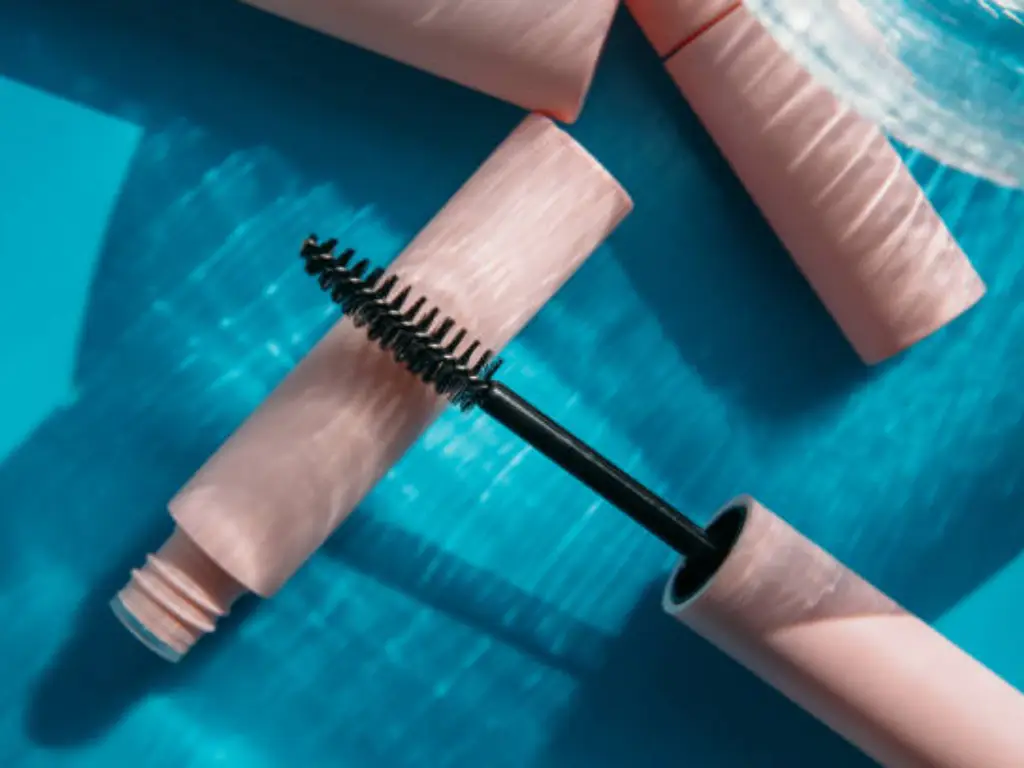
Understanding how waterproof mascara is tested helps brands verify product performance before launch. Proper validation evaluates resistance to water, sweat, and skin oils while ensuring that waterproof claims are supported by reliable test results.
This article explains the major validation methods used for waterproof mascara, including water exposure, sweat simulation, friction resistance, and removal testing. Performance metrics should be defined according to the testing protocol and claim requirements used by the target market.
What Makes a Mascara Waterproof?
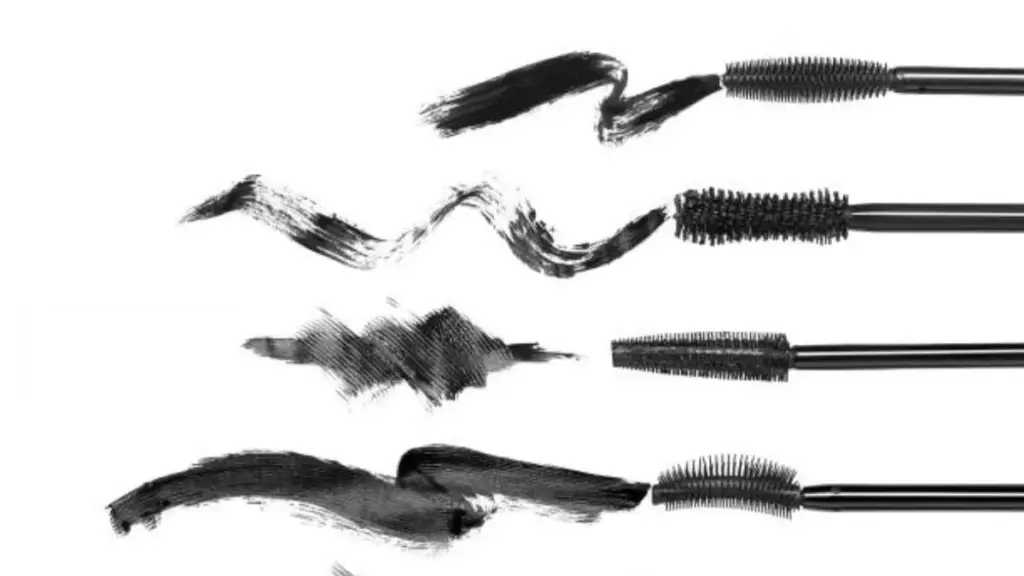
Waterproof mascara relies on a low-water formula with polymers and waxes. Volatile solvents evaporate after application, leaving a durable, water-insoluble film on the lashes.
The Role of Film-Formers and Waxes
The core of any waterproof mascara is its film-forming polymers. These are often silicone-based ingredients that create a continuous, flexible, and water-insoluble coating around each lash. Once dry, this polymer network acts like a protective shell that water can’t easily penetrate or dissolve.
To support this film, formulators use hydrophobic (water-repelling) waxes like carnauba or beeswax. These waxes add structure and bulk to the formula, but more importantly, they reinforce the film’s resistance to moisture and heat. They help raise the softening point so the mascara doesn’t deform or melt with body heat.
The color pigments, such as iron oxides, don’t run because they are physically trapped within this polymer-and-wax matrix.
The polymer and wax network helps reduce water penetration and pigment migration, improving resistance to running and smudging during wear.
The Low-Water Solvent System
Unlike regular mascaras, which are often oil-in-water emulsions, waterproof versions contain minimal to no water. This fundamental difference is key to their performance. With little or no water in the formula, there’s less to compromise the final film’s integrity.
Instead of water, these mascaras use a base of volatile solvents, such as specific silicones or isododecane. These ingredients are designed to spread the formula evenly across the lashes and then evaporate quickly after application.
This rapid evaporation leaves behind a highly concentrated, non-water-soluble film of polymers and waxes. This film adheres tightly to the lashes and simply won’t dissolve when exposed to water, tears, or sweat.
Step 1 Water Resistance Testing
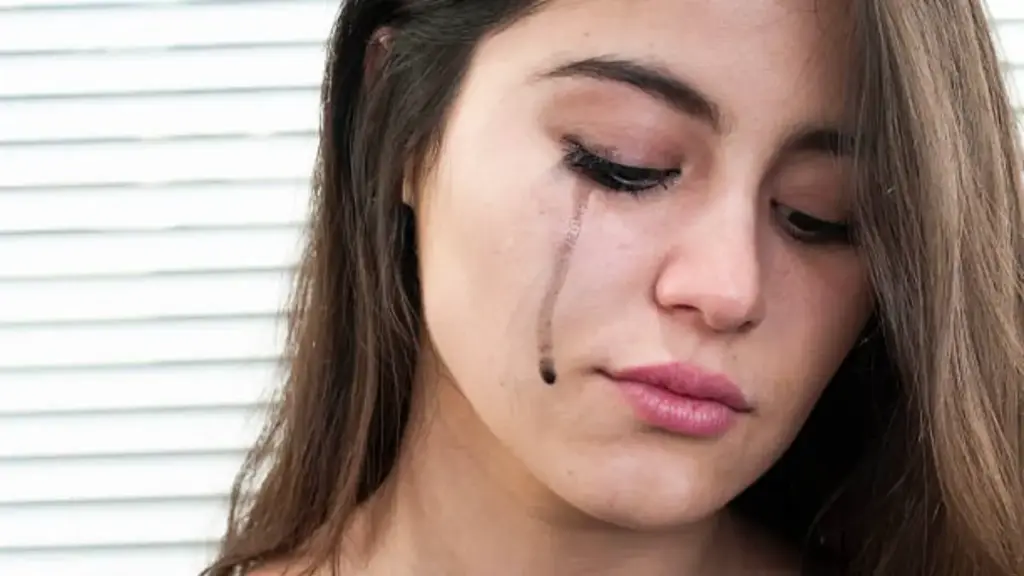
This step separates “water-resistant” from true “waterproof” claims by testing how a mascara handles full water submersion and simulated sweat exposure.
Immersion testing
Immersion testing directly evaluates how the mascara film withstands being completely submerged in water. This simulates activities like swimming or getting caught in heavy rain, pushing the formula well beyond what’s expected for a simple “water-resistant” product. The goal is to see if the film remains intact under direct, prolonged water contact.
Common test setups include static water baths and intermittent splash cycles. We’re looking for specific points of failure, which are scored visually:
- Smudging and running: Any dark streaks or pigment trails under the eye.
- Flaking: Detached particles of mascara on the skin or floating in the water.
- Pigment transfer: Color left on adjacent skin after light pressure is applied.
- Curl maintenance: Whether the initial lash curl and lift created by the mascara holds up.
Sweat simulation
This test assesses the formula’s stability against perspiration and high humidity. It’s essential for supporting any claims related to exercise, stress, or performance in hot climates. The tests are run in controlled environmental chambers that mimic heat and humidity, or by directly applying an artificial sweat solution to the skin near the eye area.
The main focus here is preventing under-eye smudging and running. This type of failure often happens when sweat mixes with natural skin oils, a combination that can quickly break down even a water-resistant mascara film. Passing this test is a strong indicator of a robust, real-world waterproof formula.
Launch Your Custom Makeup Line Faster
Step 2 Smudge Resistance Testing
This step moves past water resistance, using artificial skin oil and controlled rubbing to test how mascara really holds up against smudging from daily wear and tear.
Artificial sebum
This test uses a standardized blend of oils, waxes, and esters to simulate human skin oils. These oils, found on eyelids and lashes, are the primary cause of smudging when combined with friction. Applying a controlled amount of this artificial sebum allows labs to reproducibly verify how well a mascara formula resists breaking down when exposed to the oils it will encounter in the real world.
Friction testing
Friction testing evaluates the integrity of the dried mascara film against mechanical actions. This includes incidental eye rubbing, blinking against oily skin, or contact with clothing. These tests are performed using controlled methods, like rubbing the area with a cotton swab or an instrumental probe at a specific pressure for a set number of strokes. The degree of product transfer, smearing, or flaking is then assessed, providing the data needed to support claims like “smudge-proof” or “no-transfer.”
Step 3 Formula Performance Evaluation
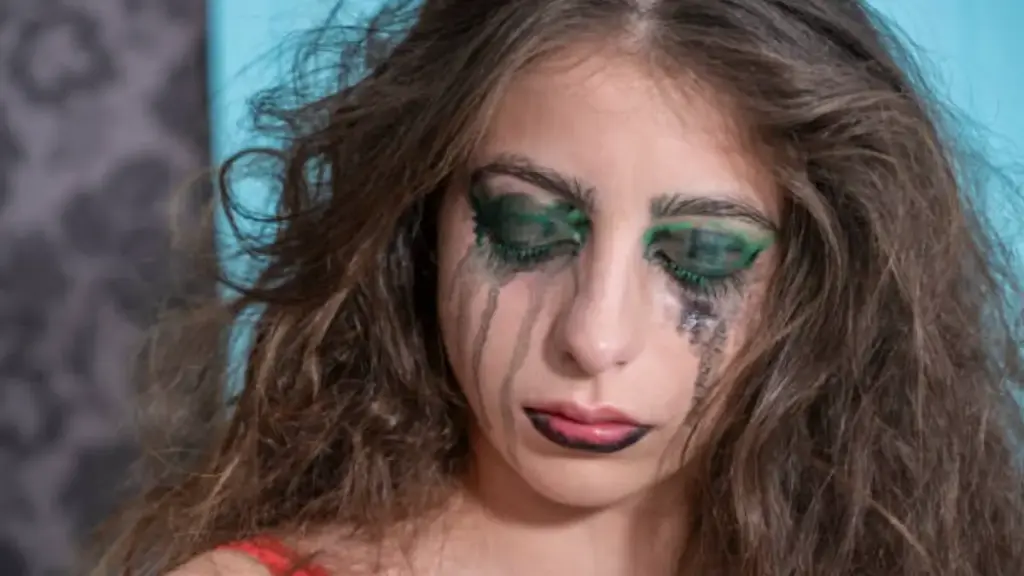
This step validates the complete formula, integrating quantitative water resistance, film flexibility to prevent flaking, and safety checks to confirm the product is both effective and non-irritating.
Film-formers
The core of a waterproof mascara is its film-formers. These ingredients create a continuous, water-repellent film that locks in pigments and resists swelling when exposed to water, sweat, or tears. Performance is measured quantitatively using the Waterproof Removal Ratio (%WPR). In a typical lab test, a formula is considered genuinely waterproof if it shows less than or equal to 50% material removal after 3 to 4 hours of water immersion. This extended duration is key for separating true waterproof formulas from those that only offer short-term resistance.
Flexibility
If the mascara coating becomes brittle, it will crack and flake as lashes naturally bend. This not only looks bad but can also cause irritation if particles get into the eye. Labs evaluate flexibility by coating fibers and subjecting them to repeated bending tests to check for micro-cracking. Optimizing the balance of polymers, waxes, and plasticizers is critical to creating a film that stays put without compromising comfort or curl.
Lash safety
A high-performance formula must also be safe for the delicate eye area. This evaluation assesses the potential for eye irritation, sensitivity, and lash breakage, particularly during the removal process. The process involves screening all ingredients, like solvents and polymers, for low irritation potential. It is then validated with ophthalmologist-supervised wear tests on human volunteers. These tests confirm the formula is gentle enough for daily use and compatible with contact lenses, minimizing risks for even the most sensitive users.
Step 4 Removal Testing
Removal testing confirms a waterproof mascara can be taken off gently without damaging lashes, balancing its on-lash durability with the end-of-day experience.
Procedure and Efficacy Metrics
A standardized removal process is key to getting reliable data. The test mimics best-practice consumer use, starting with a saturated cotton pad held over the closed eye for 20-30 seconds. This “soak phase” allows solvents and oils in the remover to start breaking down the waterproof film before any real rubbing begins.
Mechanical effort is measured by counting gentle, downward wiping strokes along the lash line. Harsh side-to-side scrubbing is avoided to prevent lash damage. We test the formula against the industry-standard removers for waterproof products, primarily oil-based cleansers and dual-phase micellar waters, to see how efficiently they dissolve the film.
Efficacy is measured by a few clear metrics: the number of cotton pads used, the total time until the lashes are clean, and a visual analysis of any leftover mascara residue on the lashes or surrounding skin.
Lash Safety and Skin Tolerance
The number one priority here is lash integrity. We monitor for any signs of damage, like lash breakage, increased fallout on the cotton pad, or a feeling of brittleness reported by panelists over time. The goal is a formula that holds on tight but lets go without a fight.
Eye and skin tolerance are checked by looking for any redness, stinging, or irritation in the delicate eye area, both during and after removal. This evaluation ensures a proper balance between the product’s wear-time and its ability to be removed gently. A formula that lasts for 12 hours but requires harsh scrubbing that damages lashes is a failure. Feedback from panelists with sensitive eyes or those who wear contact lenses is especially valuable for gauging the real-world comfort of the removal experience.
Industry Standards for Waterproof Mascara Claims
“Waterproof” is a measurable performance claim. It must be supported by verifiable scientific testing. This includes controlled water immersion and smudge evaluations conducted against defined performance standards.
| Regulatory Framework for Claim Substantiation | Common Testing Protocols and Performance Thresholds |
|---|---|
|
|
Final Thoughts
Supporting waterproof claims with appropriate test data helps reduce quality risks and improves confidence during product launch. Insufficient validation may lead to inconsistent performance or customer complaints.
Don’t leave performance to chance—validate it. Our team can develop a formula that meets these exact performance benchmarks for your brand. Contact us to discuss your specific requirements and request a performance-validated sample.
Frequently Asked Questions
How is waterproof mascara tested in cosmetic manufacturing labs in 2026?
Labs evaluate waterproof mascara performance through methods such as controlled water exposure, wear testing, and visual assessment of smudging, transfer, and color retention. Specific acceptance criteria vary depending on the testing protocol and market requirements. Safety is confirmed with microbiological screening to check for harmful bacteria and challenge tests to validate the preservative system. Stability and quality control checks on each batch guarantee the formula remains consistent and safe throughout its shelf life.
What ingredients make a mascara waterproof?
A mascara becomes waterproof by minimizing its water content and using a blend of specific ingredients. Hydrophobic waxes like carnauba and paraffin build the mascara’s structure. Film-forming polymers, such as acrylate copolymers, create a durable, flexible coating around each lash. Silicones are also added to boost water resistance and help with a smooth application. Together, these create a film that repels water but can be broken down by oil-based removers.
Why does my waterproof mascara still smudge on my oily eyelids?
Waterproof mascara is designed to resist water, not oil. The natural oils produced by your eyelids, along with oils from skincare or other makeup, can break down the waxes and polymers in the formula. When you blink, the softened mascara transfers from your lashes to your skin, causing smudges. A product can perform perfectly against water yet still smudge on oily skin.
What is the difference between water-resistant and waterproof makeup?
The main difference is the level of moisture protection. Water-resistant makeup handles light exposure like humidity or mild sweat. Waterproof makeup is made to endure heavy exposure, such as swimming or heavy rain. This greater protection comes from more robust formulas with higher levels of waxes and film-forming polymers. Waterproof products often need an oil-based cleanser for removal.
How do factories make sure waterproof mascara won’t break my natural lashes?
Manufacturers use a careful process to protect lashes. They formulate the mascara with flexible polymers that bend with lashes rather than making them stiff and brittle. They also conduct extensive tests, including mechanical stress trials and human use studies, to watch for any signs of lash damage or loss. The formula is designed for gentle removal with a recommended cleanser, so you don’t have to rub harshly.
Do I need a special cleanser to remove waterproof mascara?
Yes, a special cleanser is usually needed. Waterproof mascara is made with water-repellent ingredients that a standard face wash can’t break down. An oil-based or dual-phase (oil and water) remover is effective because the oil dissolves the mascara film. This allows for gentle removal without the rubbing that can damage lashes or irritate your eyes.

 English
  Arabic
  Dutch
Dutch  French
  Portuguese
  Russian
  Spanish